
Last updated November 14, 2026
 Sweep & inspection
 Caps & crowns
 Flue relining
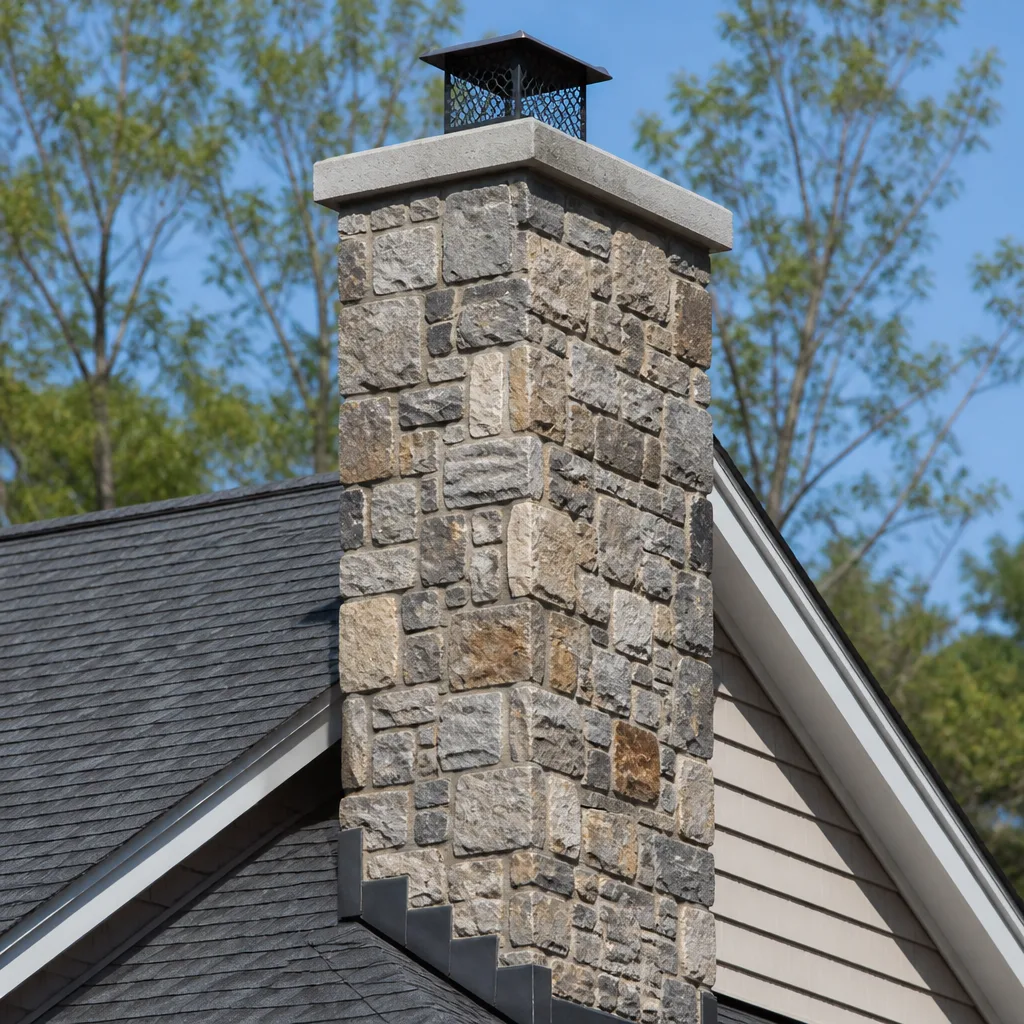 Masonry repair
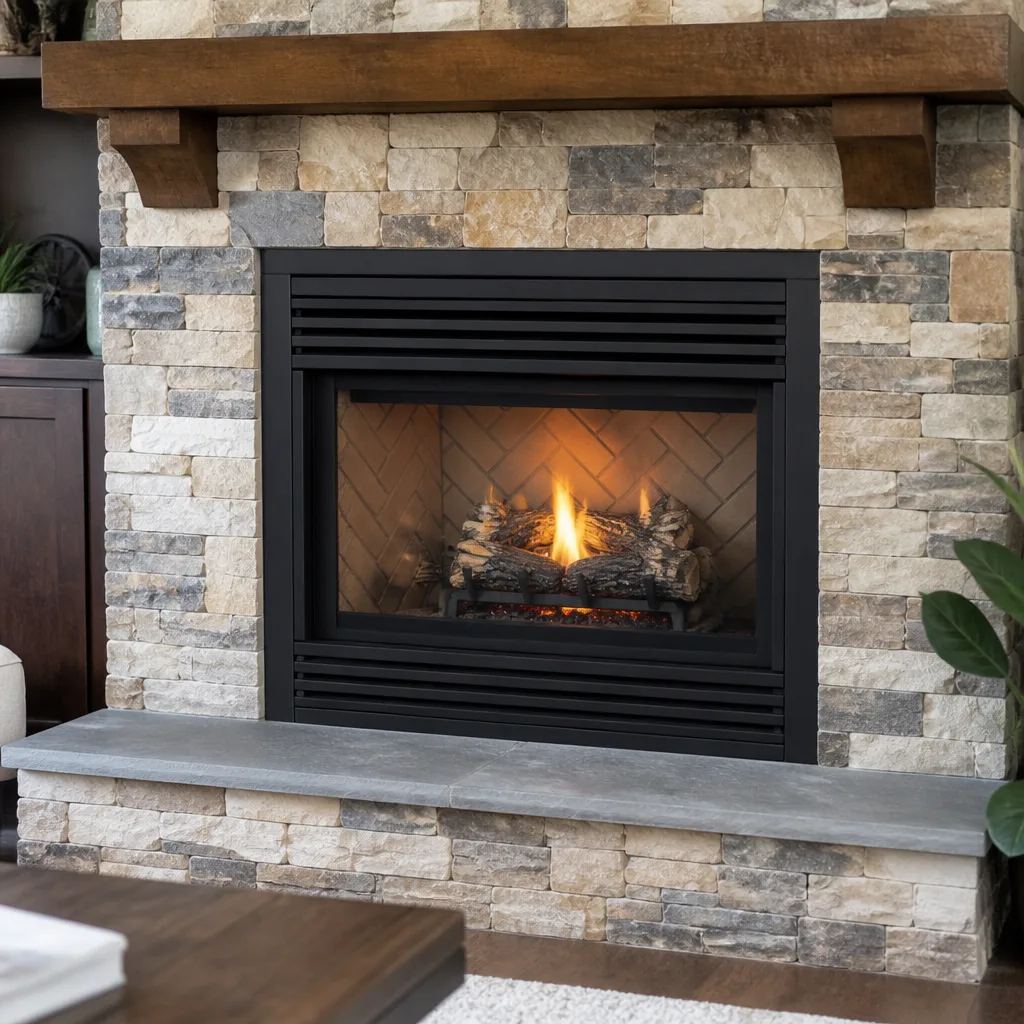 Gas fireplace service
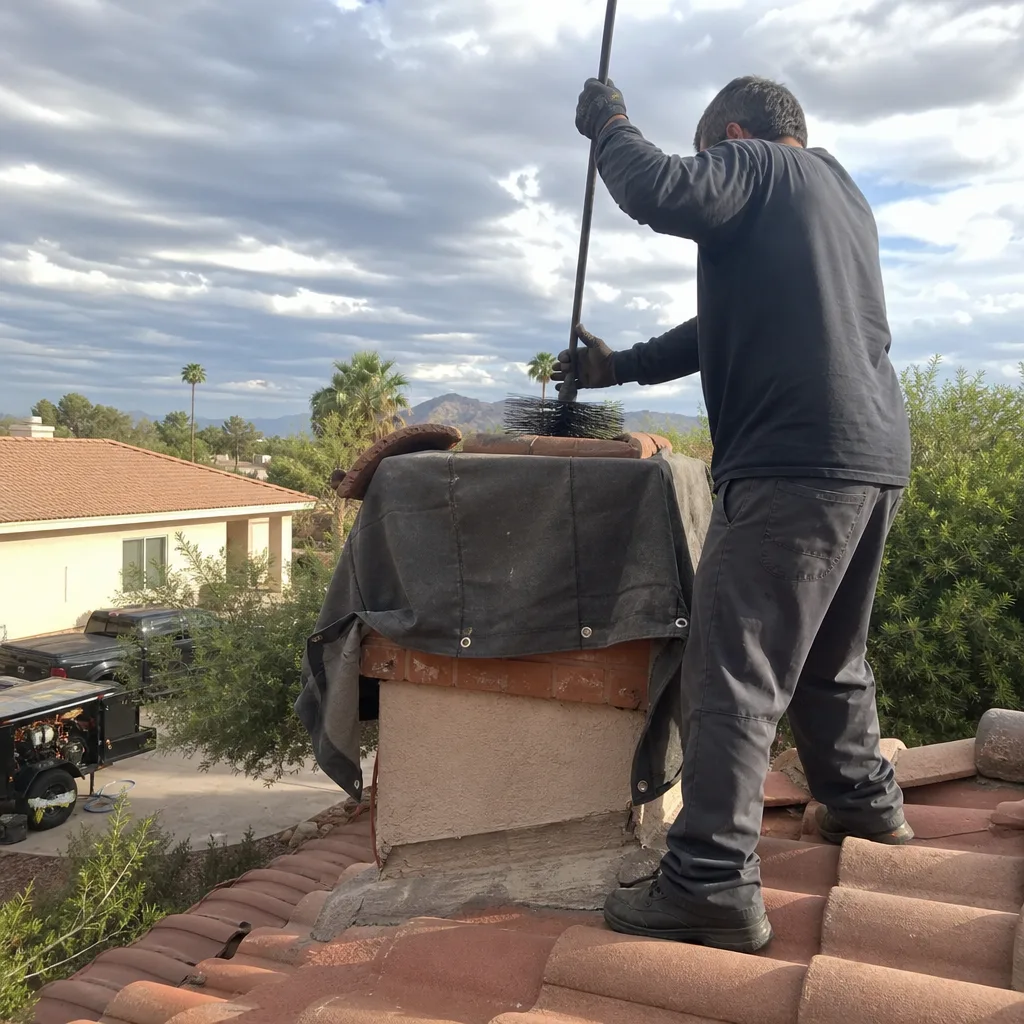
Level 1 sweep and inspection to the NFPA 211 annual standard - flue, crown, cap, and flashing checked and photographed
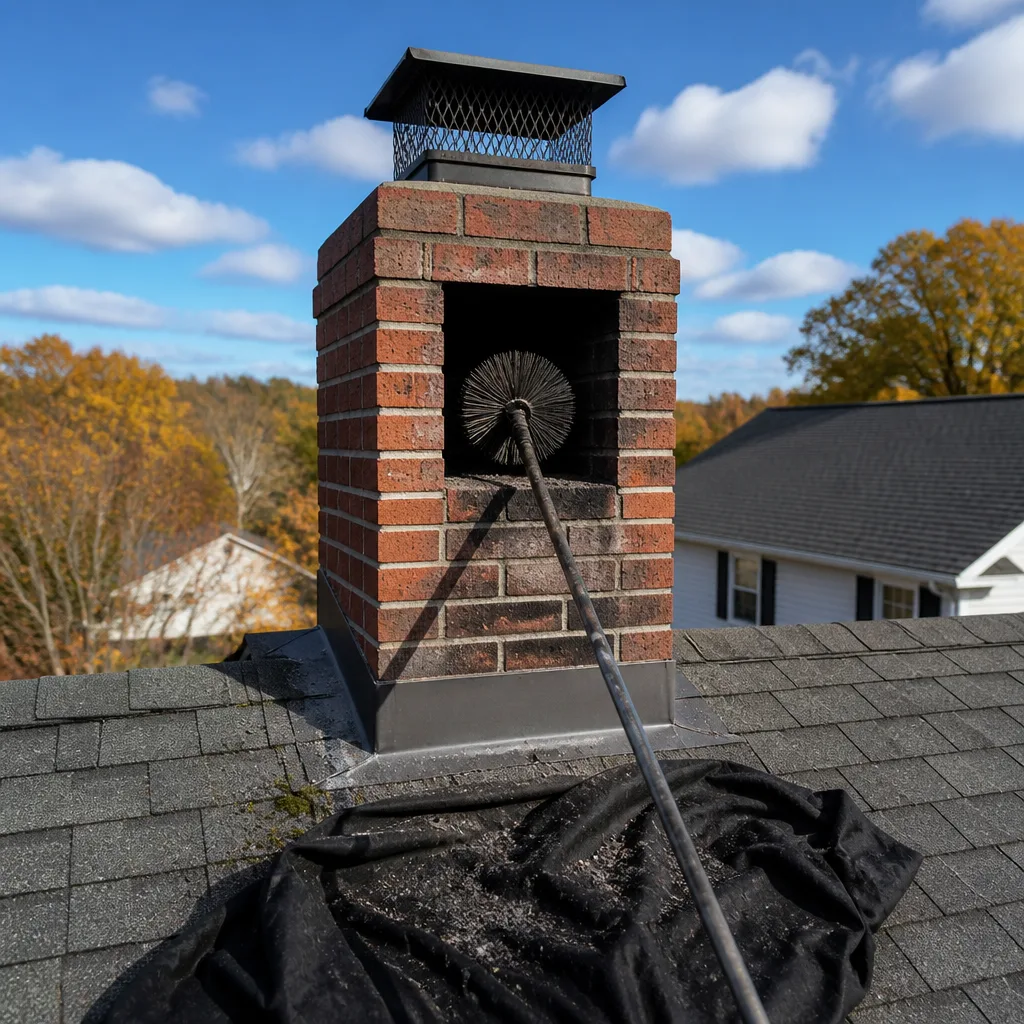
Chimney sweep logs do not sweep chimneys. They loosen some creosote - which then falls where a brush and vacuum still have to collect it.
Chimney Sweep Maintenance Schedule: What to Do and When
The standard advice says to get your chimney inspected once a year. That’s not wrong, but it’s not useful either. It doesn’t tell you whether to book in October before you light the first fire, or in March after the season ends when creosote and cracked mortar are still fresh and easy to see. In Tucson, the calendar on the wall matters far less than three things: what you burn, how often you burn it, and what the desert does to your chimney between fires. This guide lays out a maintenance schedule built around those variables, with the seasonal triggers that actually apply here, from the monsoon months to the spring nesting window.
Quick Answer
For most Tucson homes, the right rhythm is an inspection and sweep in early spring (March or April) right after your last fire, a cap and crown check before the monsoon in June, and a quick visual look each fall before the burn season starts. Wood-burning fireplaces used 20 to 30 times a season need a professional sweep roughly once a year. Gas inserts need an annual inspection even though they produce no smoke. And any chimney should be checked after a significant storm or if you notice water staining, animal activity, or a change in how the fire draws.
Styles & brands we work with
- Sweep & inspection
- Caps & crowns
- Flue relining
- Masonry repair
- Gas fireplace service
Table of Contents
- Why a Calendar-Based Schedule Falls Short in Tucson
- The Case for Post-Season Inspection (March and April)
- Monsoon Season: A Real Maintenance Trigger
- Gas Fireplaces and Inserts: The Maintenance Most Homeowners Skip
- Wildlife, Caps, and the February Advantage
- A Realistic Multi-Year Log for a Wood-Burning Fireplace
- What You Can Check Yourself and What Needs a Pro
- Common Mistakes to Avoid
Why a Calendar-Based Schedule Falls Short in Tucson
“Get it inspected once a year” treats every chimney like every other chimney. A wood stove burning seasoned mesquite four nights a week in the foothills is a completely different maintenance picture from a gas insert in a new-build that gets turned on twice a winter. The annual rule is a reasonable default for the first, and overkill for the second. But the rule also ignores the desert entirely.
Here’s what actually shapes a chimney’s condition in Tucson:
- Fuel type. Wood produces creosote, the tar-like residue that fuels chimney fires. Gas produces none, but gas appliances still vent combustion byproducts and can fail in ways you can’t see or smell. The two systems need different checklists even though both want an annual look.
- Usage frequency. Tucson’s burn window is short. Most wood-burning households light up maybe 20 to 30 times between November and February. That’s often low enough that an annual sweep is the right interval, not a mid-season second sweep.
- Local wildlife pressure. Chimneys are prime real estate for birds and small mammals. An open flue with a missing or rusted cap invites a nest, and a nest can block the flue or create a fire hazard. This is a bigger factor here than in many climates because the animals stay active longer across the year.
- Monsoon and sun. Summer storms, wind-driven rain, and intense UV all attack the crown, the flashing, and the masonry. That’s a seasonal stress no annual-inspection calendar accounts for.
A schedule that ignores these is just a reminder on your phone. A schedule built around them catches problems when they’re cheap to fix. When you eventually book a chimney sweep, understanding these variables tells you what to ask for and what to expect.
The Case for Post-Season Inspection (March and April)
Most people think about their chimney in the fall, right before the first fire. That’s backward, and here’s why. In October, the chimney has been sitting for months. Any creosote from last season has had time to harden and dry. Any moisture damage from the monsoon has had time to spread. Any nest has had a full season to settle in. You’re inspecting a problem that’s already been sitting there, and you may be doing it in a rush because guests are coming and the weather just turned.
A spring inspection, by contrast, catches everything at its freshest:
- Creosote is recent. The residue from this season’s fires is still recognizable. Your sweep can see exactly how much built up and how fast, which tells you whether your burning habits or your wood supply need adjusting.
- Winter damage is visible. Cracks, spalling, and loose mortar that opened up over the burn season haven’t been hidden by a summer of dust and debris.
- Repairs are cheaper when they’re small. A hairline crack in the crown caught in March is a simple sealing job. The same crack left through a monsoon can let water into the flue, and by October you’re talking about resurfacing or relining. We handle the repair, not just the report, so we can fix what we find while it’s still minor.
- You have room to think. A spring or summer repair job has slack. A fall emergency does not.
Book the annual sweep and inspection for March or April in Tucson. It’s the single highest-value scheduling decision in this entire guide. The season is over, the evidence is intact, and any work that comes out of it can be done well before you need the fireplace again.
Monsoon Season: A Real Maintenance Trigger
Tucson’s monsoon runs roughly July through September, and it is not a footnote in a chimney schedule. It’s a legitimate second maintenance checkpoint. Wind-driven rain hits the chimney from angles it doesn’t see in winter. The crown, the masonry, the flashing where the chimney meets the roof: all of it takes a beating. Many Tucson homes have stucco-finished chimneys, and stucco can develop hairline cracks that let water track down into the flue structure.
Here’s a post-monsoon check worth doing each September or October:
- Look at the crown from the ground. Any visible cracking, chipping, or a crown that’s pulling away from the flue is a sign water can get in.
- Check for moisture inside. Dampness, a musty smell, or a rusty damper after a dry season points to water intrusion.
- Look for staining. White or brown streaks on the exterior masonry can indicate moisture moving through the chimney.
- Check the firebox. Rust on metal parts or crumbling mortar inside the firebox after summer is a red flag.
Moisture inside a chimney is quiet damage. It weakens mortar, rusts dampers and liners, and shortens the life of the whole structure. A small stucco or crown repair done in the fall is inexpensive. A chimney that has absorbed water all summer and then gets fired up in November is a different problem. We keep Gelco and Copperfield products on hand for exactly this kind of moisture and crown work. If you spot any of the signs above, don’t put it off until spring.
Gas Fireplaces and Inserts: The Maintenance Most Homeowners Skip
Here’s the most common false assumption we run into: “It’s gas, so there’s nothing to sweep, so I don’t need service.” Gas fireplaces and inserts don’t produce creosote, but “no smoke means no problem” is wrong. A gas appliance still has a venting system that can fail, and failures are invisible from the living room.
What an annual gas inspection actually covers:
- Vent and flue integrity. The vent can corrode, disconnect, or collect debris and animal nests just like a wood chimney. If the vent is blocked, combustion gases have nowhere to go but into your home.
- The firebox and glass. Debris, dust, and spider webs accumulate. Those can affect flame quality and draw.
- Ignition and safety components. Gas logs, burners, and safety switches need a visual check by someone trained to look at venting, not just the flame.
The honest timeline for a gas insert is once a year, and the logic is different from wood. You’re not waiting for a creosote threshold. You’re confirming the vent is clear and intact and that the appliance is burning as designed. Skip it for a few years and you have no idea what’s happened inside that flue. There are no smoke signals to warn you. A gas insert inspection is quick and, in our experience, catches small issues long before they become safety problems.
Wildlife, Caps, and the February Advantage
In Tucson, spring means nesting. Birds and small mammals look for protected cavities, and an uncapped chimney is exactly that. If a nest gets established in a flue during spring, it can block the vent, and it becomes a fire hazard once you light a fire in the fall. But here’s the trap: by fall, you’ve forgotten about it. The nest has been sitting there for months, and now you’re in the pre-season scramble.
The strategic move is a cap inspection in February, before nesting season gets going.
- February: Inspect the cap, the screen, and the top of the flue. A missing, rusted, or damaged cap gets replaced now, before anything can move in.
- March or April: Do the annual sweep and inspection from the post-season angle. With a cap in place, you’re checking for creosote and wear, not wildlife.
- September or October: A quick visual check after the monsoon, then a fast look before you light the first fire of the season.
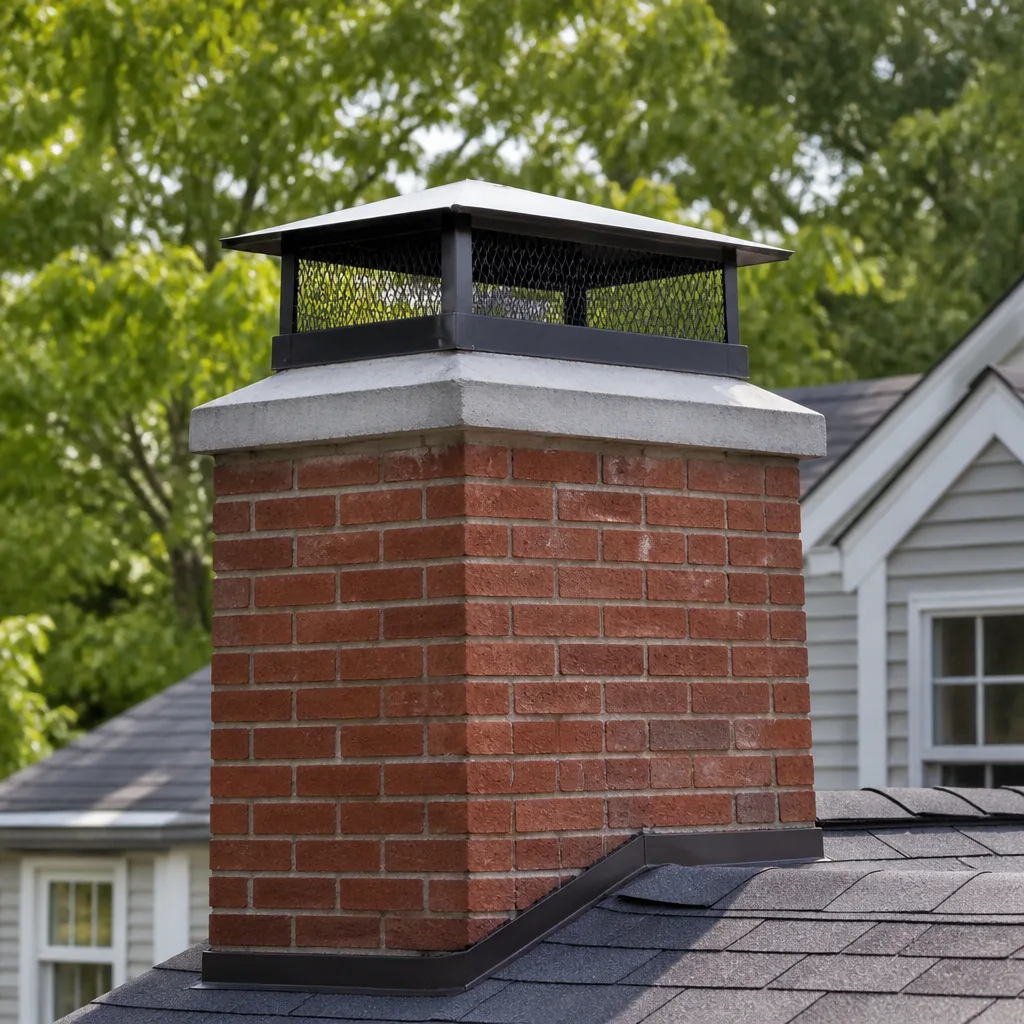
A properly fitted cap, made from a professional line like Olympia Chimney, is the simplest preventive measure on a chimney. It keeps out rain, animals, and debris at almost no ongoing cost. If you’ve had a nest, a blockage, or an uncapped flue for a while, get an inspection. It’s the one case where waiting for spring can genuinely cost you. This is also where a dryer vent cleaning appointment fits the same safety-first logic: two of the leading household fire hazards, handled in the same visit.
A Realistic Multi-Year Log for a Wood-Burning Fireplace
General schedules are abstract. Here’s what a real maintenance log looks like for a typical Tucson household: a wood-burning fireplace, used 20 to 30 times per season, with a short burn window from about November to February. This is the pattern we recommend tracking, and what each line actually means for the homeowner.
Year One: Establish a Baseline
- February: Cap and screen inspection before nesting season.
- March or April: Full sweep and inspection. This first inspection is your baseline: the sweep documents the condition of the flue, crown, firebox, and damper, and notes how much creosote built up over the season.
- September: Post-monsoon visual check of the crown and exterior.
- November: Quick look inside the firebox before the first fire.
Year Two: Confirm the Rhythm
- March or April: Sweep and inspection. Compare the creosote report to last year. If it’s similar, your annual sweep is the right interval. If it’s climbing, look at your wood supply and burning habits.
- Summer into fall: Same monsoon and pre-season checks as year one.
Year Three and Beyond: Watch for the Wear Items
- Ongoing annual sweep and inspection in spring.
- Crown and stucco: By now you’ll know whether the crown needs periodic sealing or a repair. This is where HeatShield ceramic resurfacing can save a homeowner from a full rebuild if the flue interior has started to degrade.
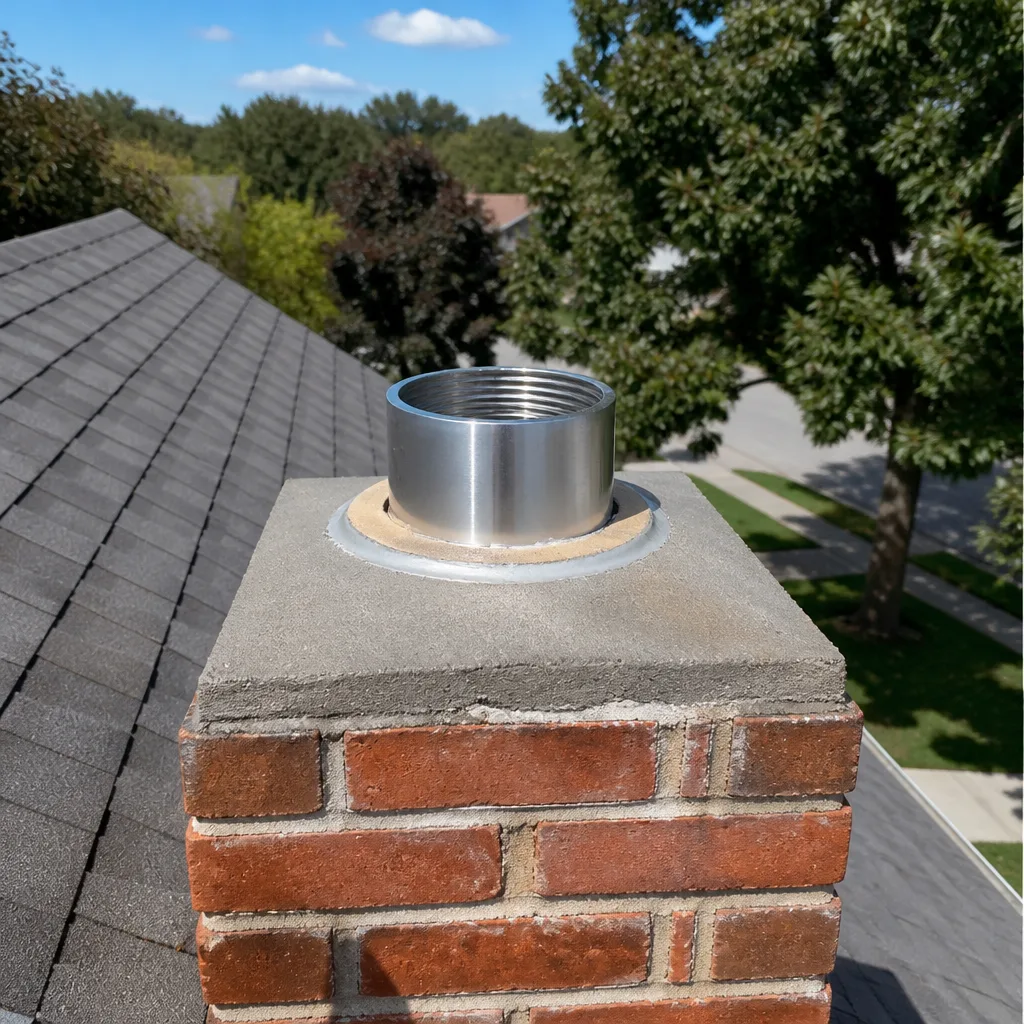
- Liner check: Every few years the liner gets a close look. A cracked clay liner or a failing metal liner means the flue can’t safely contain combustion gases, and a reline with a DuraFlex system is handled by us, not handed off.
The takeaway from a log like this is simple: a wood-burning fireplace used 20 to 30 times a season is an annual-sweep machine, not a twice-a-year sweep. The extra value comes from the February cap check and the post-monsoon inspection. Those two touchpoints are what separate a schedule that anticipates problems from one that just reacts to them.
What You Can Check Yourself and What Needs a Pro
You don’t need a professional for everything, and we’d rather you know what to look at between visits. But some checks are genuinely dangerous, and it’s worth being clear about the line.
Safe to Check Yourself
- Visual exterior survey from the ground: cracks in the crown, staining on the masonry, obvious disintegration of the chimney top.
- Inside the firebox: rust, crumbling mortar, or a damaged damper, viewed from the hearth, not from inside the firebox.
- Damper operation: open and close it by hand to confirm it moves freely.
- Odor and draw: after the first fire of the season, does the fireplace pull smoke up the way it always has?
Needs a Professional
- The flue interior. You cannot see clearly up the flue without proper tools. What you can’t see can hurt you: accumulation of creosote, a cracked liner, or an obstruction all live past the point your eye can reach.
- The roof and chimney top. Getting on a roof to check a crown or cap is a fall risk. Don’t do it.
- Anything involving the gas appliance. Gas venting issues can vent combustion gases into the home, and you won’t smell them unless your carbon monoxide alarm goes off. That’s too late. Leave gas venting to a trained professional.
The general rule for anything to do with fire, gas, or the roof is the same: watch, note, and call. A qualified technician with a proper inspection knows what to look for and, importantly, what evidence to show you, so you don’t have to take anyone’s word for it.
Common Mistakes to Avoid
- Booking only in the fall. Fall is the busiest time of year for chimney work, and it catches problems at their oldest. Shift the main appointment to spring and keep the fall slot for a quick pre-season check.
- Assuming a gas insert needs no service. No smoke doesn’t mean no problem. Gas appliances have venting and safety components that can fail silently, and an annual inspection is the only way to know.
- Skipping the cap check. An open flue in Tucson’s nesting season is an invitation. Inspect the cap before spring, not after a nest has taken up residence.
- Ignoring the crown and stucco after the monsoon. Water intrusion is quiet and cumulative. A small crown repair in the fall prevents a much bigger one the following year.
- Burning unseasoned or poor-quality wood. Wet or green wood creates more creosote per fire. It’s one of the fastest ways to speed up the buildup your annual inspection is monitoring.
- Waiting for a visible problem. By the time a crack or blockage is obvious from the living room, it has usually been developing for a while. The point of a schedule is to catch it while it’s still small.
- Treating repair and inspection as separate services. If you book a sweep-only operator, a real problem means a second call to a repair company. That handoff is where things get lost. Choosing a specialist who handles both, in house, keeps the whole job in one set of hands.
See the difference
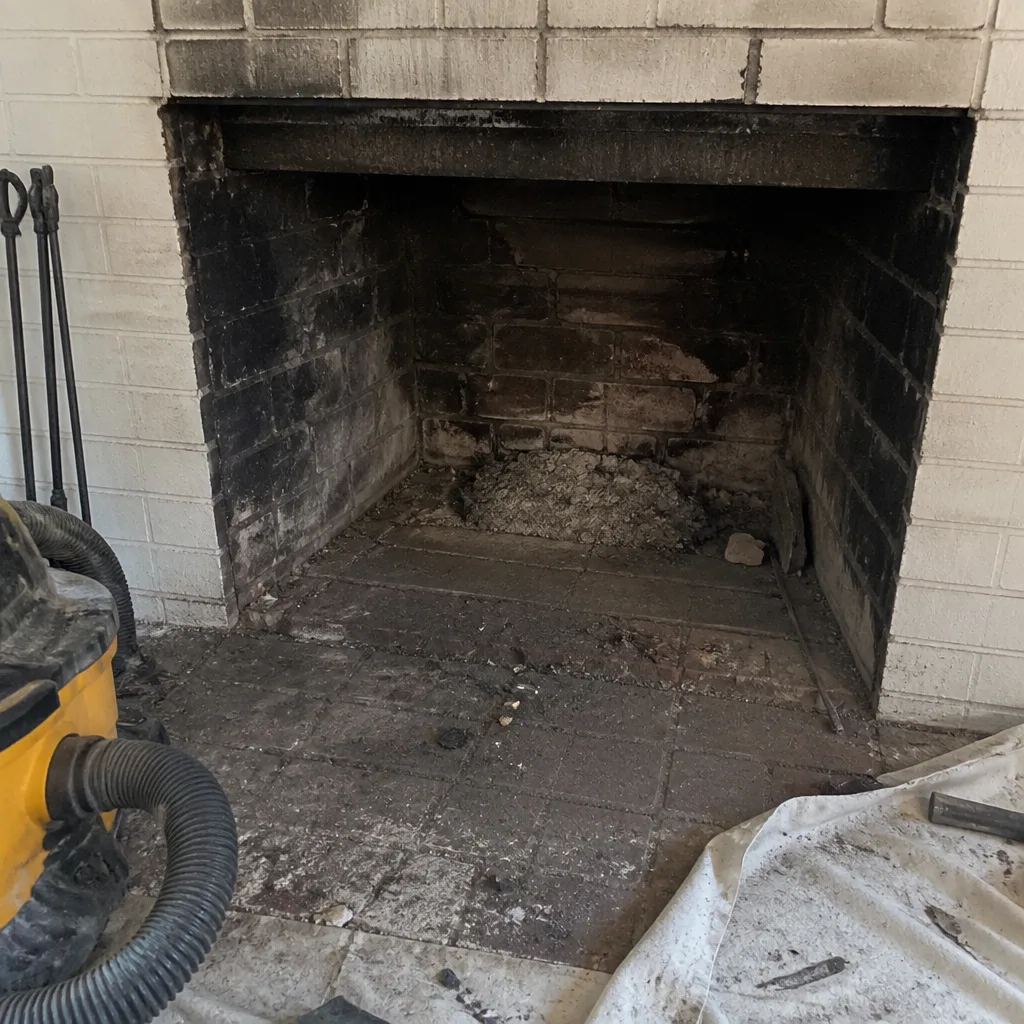 Before
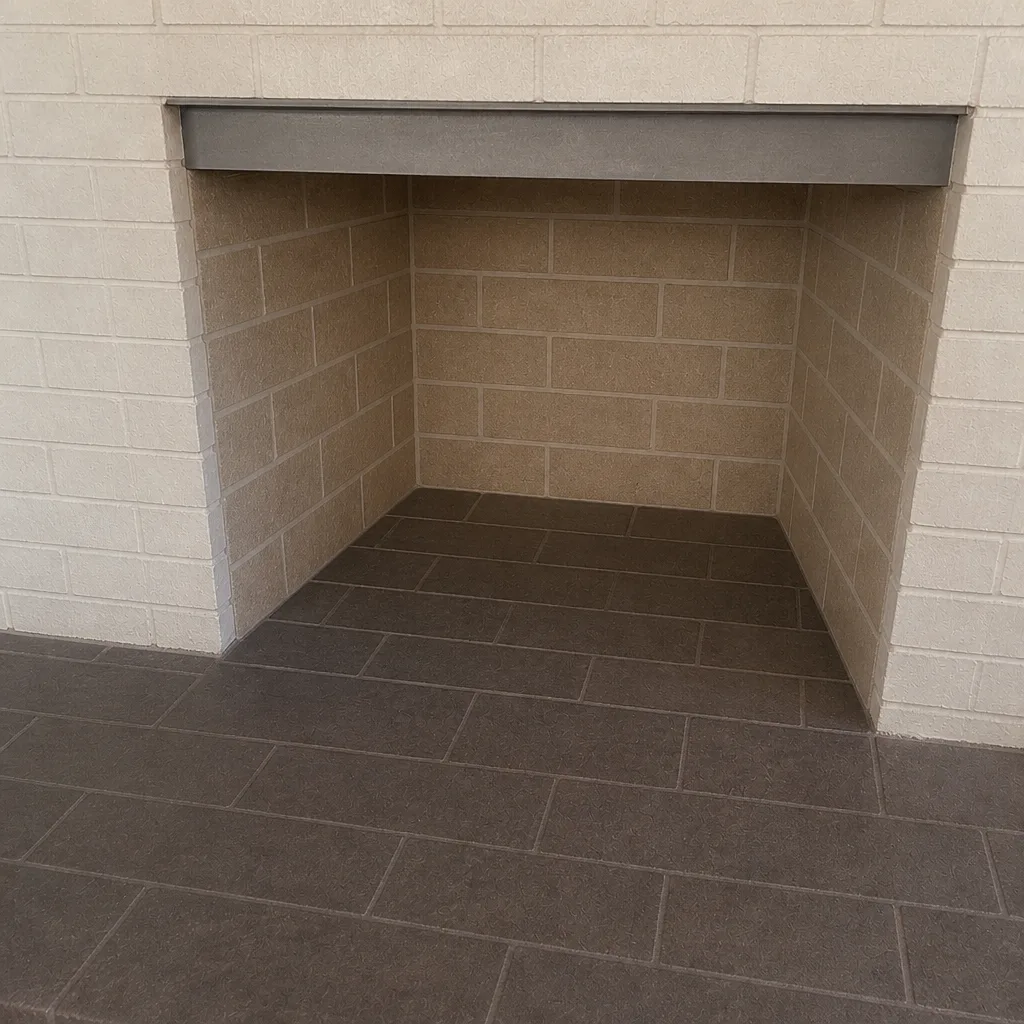 After
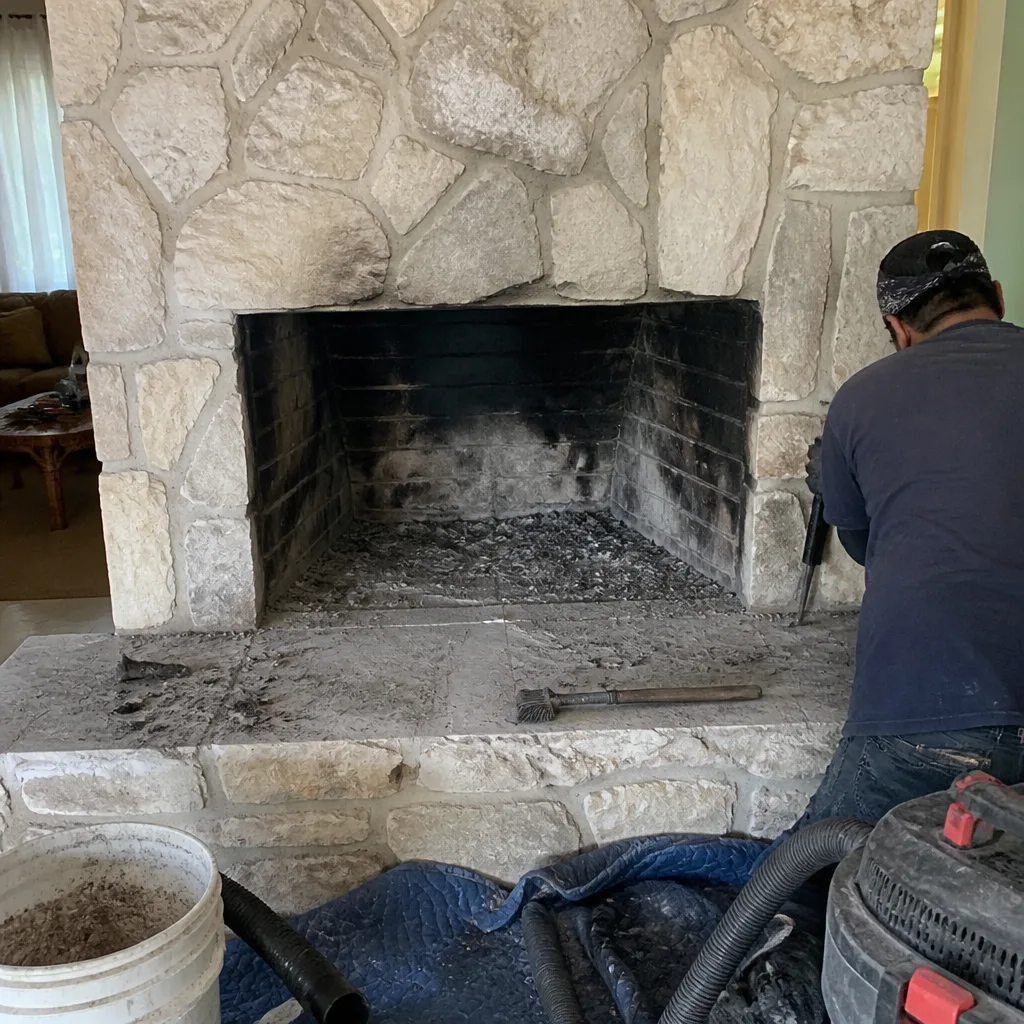 Before
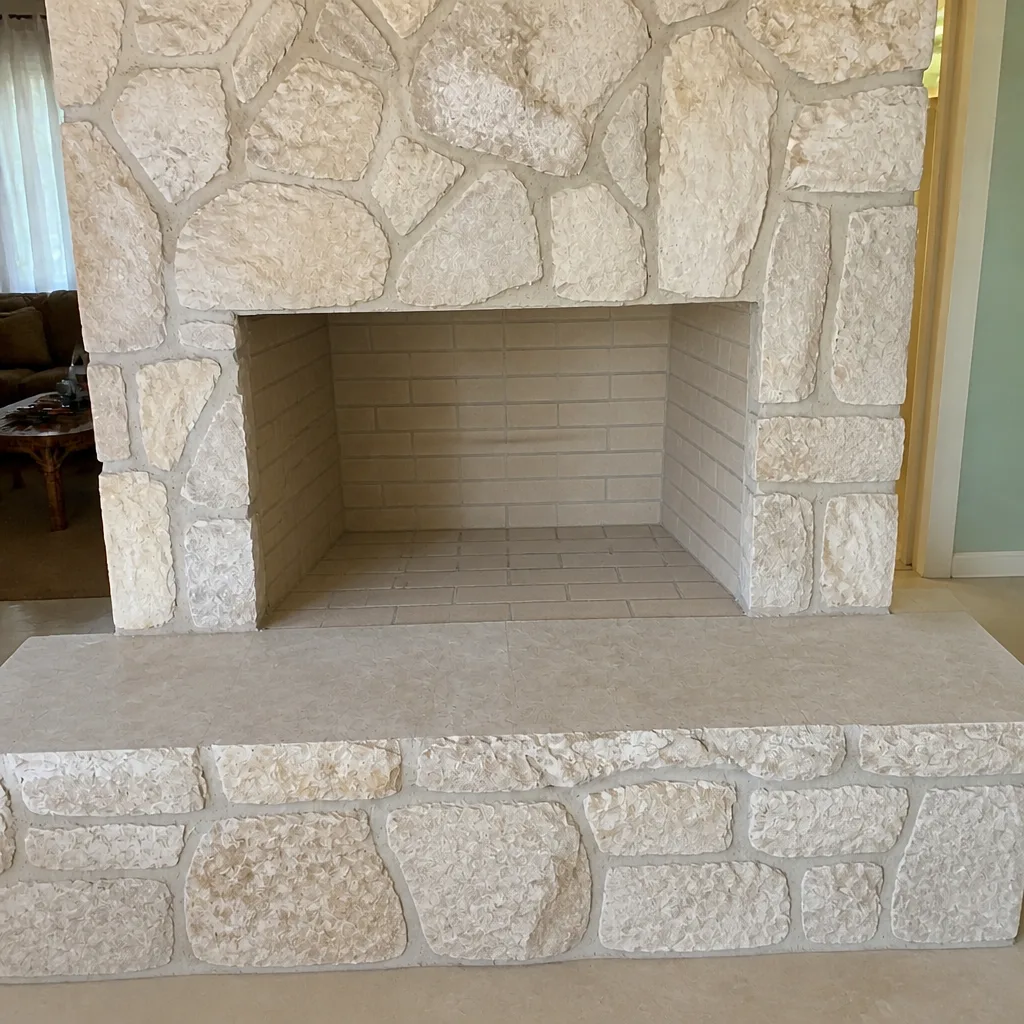 After
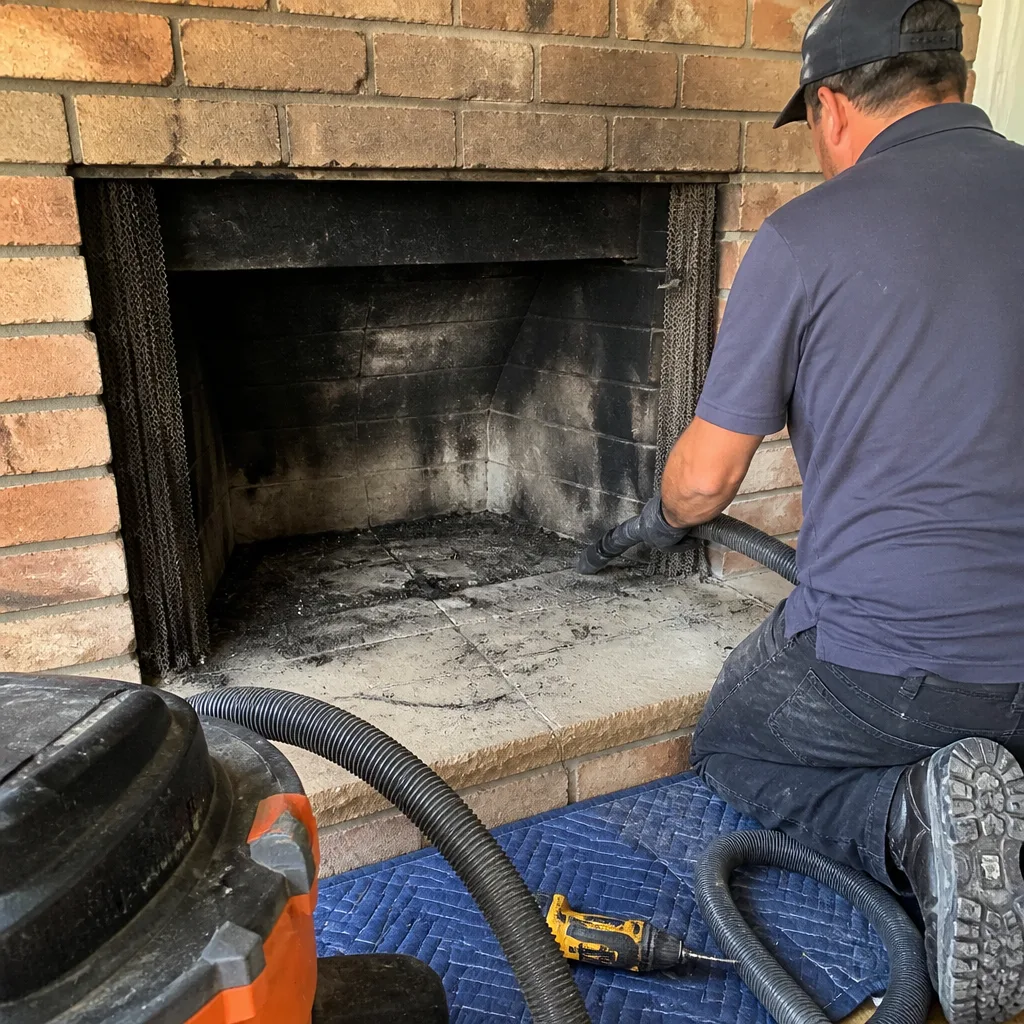 Before
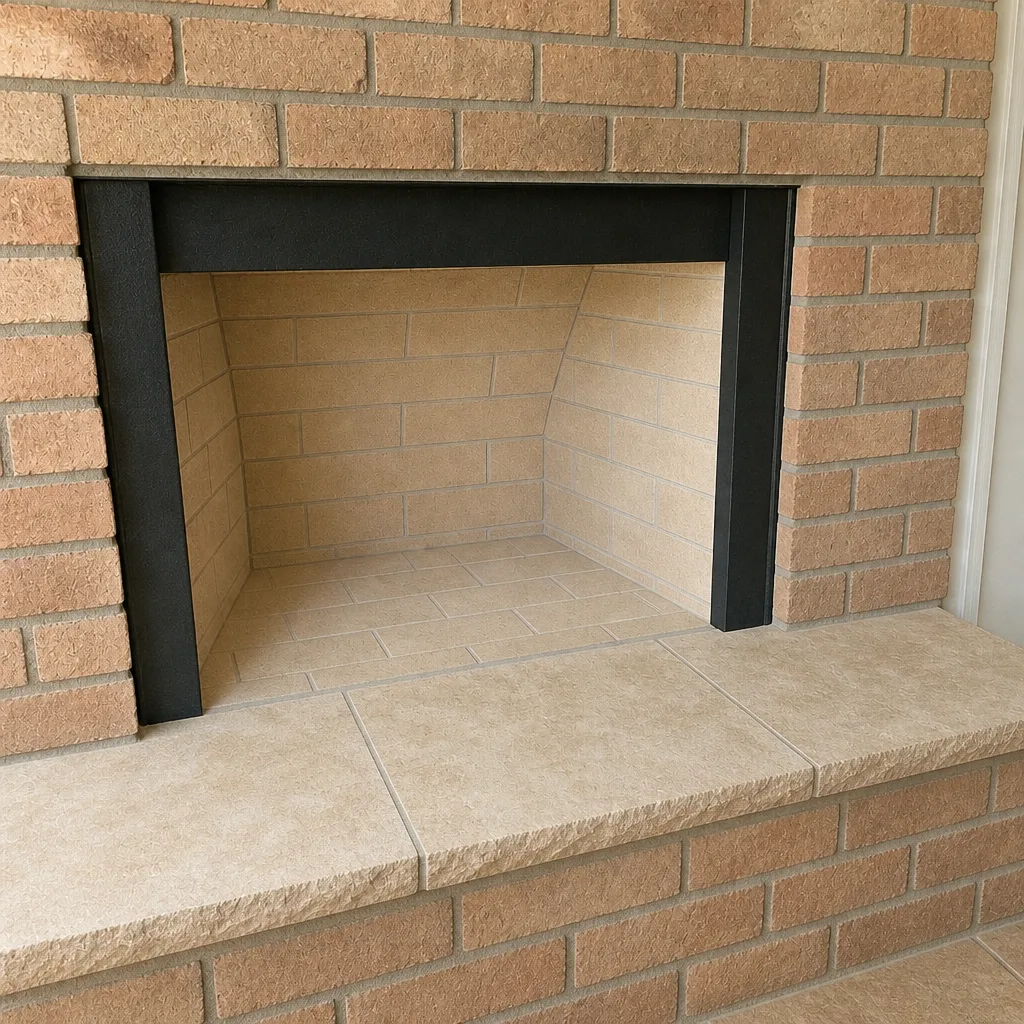 After
When to Call a Professional
Some signs mean stop using the fireplace and call. If you smell a strong, sharp, tar-like odor that lingers, or if the fire draws poorly and smoke rolls into the room, stop and get it checked. If you see rust or moisture inside the firebox, spalling on the exterior, or the chimney top looks broken, that’s a call. A carbon monoxide alarm triggered near a gas appliance, a nest or debris visible in the flue, or a chimney fire at any point in the past all require a professional inspection before you use the fireplace again. Don’t wait for the schedule. Tucson Chimney Sweep offers free estimates in Tucson. Call (855) 750-1719. We answer 24/7. Fast dispatch from 7am to 7pm, Sunday through Friday.
Frequently Asked Questions
Once a year is the right interval for most Tucson wood-burning fireplaces used 20 to 30 times a season, and the best time to do it is March or April right after the burn season. Gas inserts also need an annual inspection even though there’s nothing to sweep, because the venting still needs a professional check. If you burn more heavily or use the fireplace year-round, the sweep will tell you whether a shorter interval makes sense. Call (855) 750-1719 for an exact quote. Estimates are free.
After, for the main annual appointment. A spring inspection catches creosote and winter damage while the evidence is fresh and repairs are still small, which costs less than a pre-season emergency. Keep a smaller visual check for the fall, but move the full sweep and inspection to spring. Call (855) 750-1719 to get on the spring schedule. Estimates are free.
Yes. Gas appliances produce no creosote, but the venting system can corrode, disconnect, or be blocked by debris and nests, and combustion gases can back up into the home with no smoke to warn you. An annual inspection confirms the vent is clear and intact and the appliance is burning as designed. Don’t skip it because there’s no smoke. Call (855) 750-1719 to book gas insert service. Estimates are free.
Look from the ground for cracks in the crown, moisture staining on the exterior, and any sign of the chimney top pulling away, then check the firebox for rust or crumbling mortar and a musty smell. Those signs point to water intrusion that a summer of storms can cause even on a well-built chimney. Anything you find is worth a professional look before fall. Call (855) 750-1719 for a free estimate.
Because spring is nesting season, and an uncapped chimney is prime real estate for birds and small mammals. Inspecting the cap and screen in February catches a missing or damaged cap before anything moves in, which prevents a blocked flue and a fire hazard that would otherwise sit there all summer. A fitted cap from a professional line is the simplest preventive measure on a chimney. Call (855) 750-1719 if your cap is missing or damaged. Estimates are free.
Every job is priced on its own by a written estimate, so the number depends on the fuel type, the length of the flue, the amount of buildup, and whether any repair work comes out of the inspection. What you get for the price is a professional sweep, a full inspection, and a clear explanation of what the inspection found and what, if anything, needs attention. Estimates are free, so there’s no cost to find out. Call (855) 750-1719 to schedule one.
The Bottom Line
The right chimney schedule for a Tucson home isn’t a single date on the calendar. It’s a rhythm: a cap check in February before nesting season, the annual sweep and inspection in March or April when the season’s evidence is fresh, a post-monsoon look at the crown and exterior around September, and a quick visual check before the first fire. Wood-burning fireplaces used 20 to 30 times a season fit an annual sweep. Gas inserts need an annual inspection regardless of smoke. Both benefit from a specialist who handles the sweep and the repair, with the professional materials to back it up. For service in Tucson, start with a free estimate. Call (855) 750-1719. We answer 24/7. Fast dispatch from 7am to 7pm, Sunday through Friday. More on our full range of work is on our Tucson Chimney Sweep home page.
Written by the team at Tucson Chimney Sweep, serving Tucson since 2018.