
Last updated November 14, 2026
 Sweep & inspection
 Caps & crowns
 Flue relining
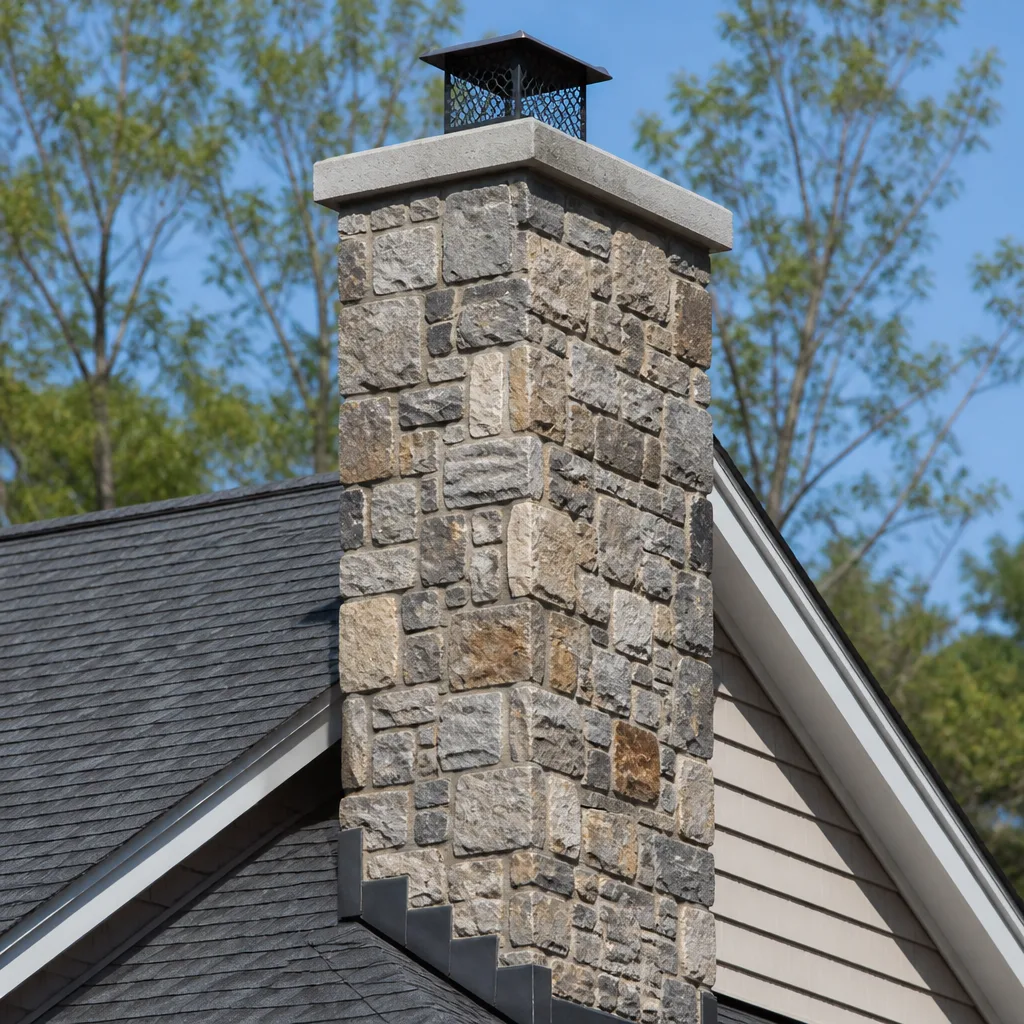 Masonry repair
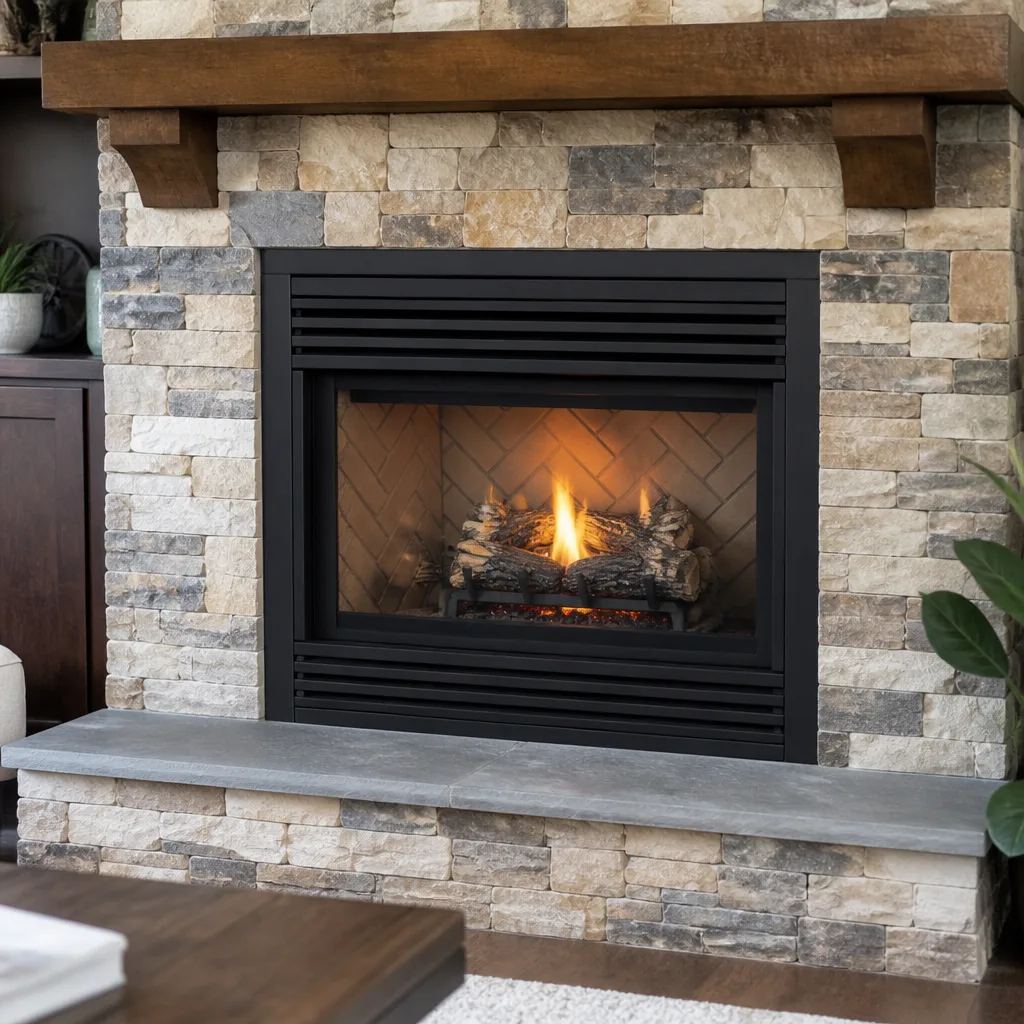 Gas fireplace service
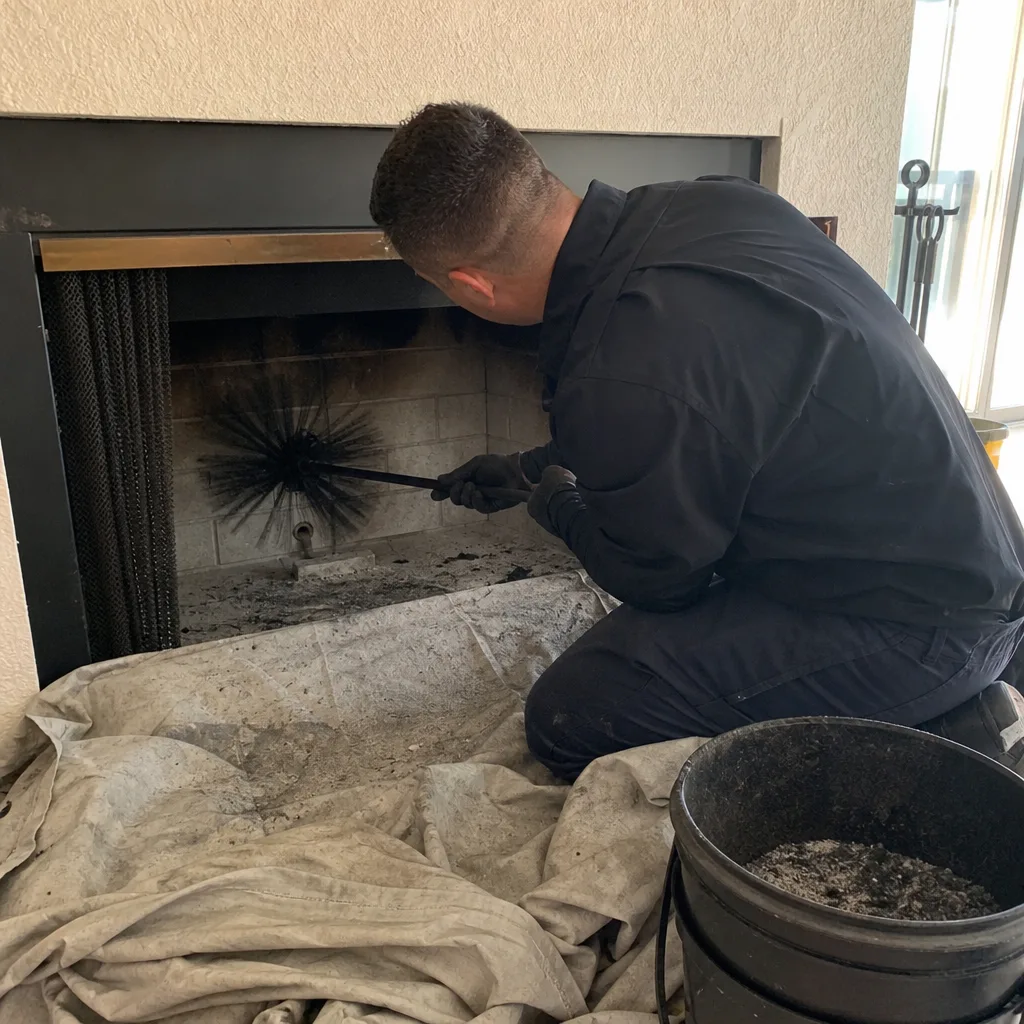
Level 1 sweep and inspection to the NFPA 211 annual standard - flue, crown, cap, and flashing checked and photographed
Chimney sweep logs do not sweep chimneys. They loosen some creosote - which then falls where a brush and vacuum still have to collect it.
Choosing the Right Chimney Cleaning Brand: A Buyer’s Guide for Tucson
Most homeowners compare estimates by price and never look at the one line that predicts the outcome: what brand of materials the contractor actually puts in the flue. A brush is a brush, a crown sealant is a crown sealant, right? Not even close. The difference between a professional-distribution product and the consumer-grade version sitting on a big-box shelf is often the difference between a job that lasts and a callback in two seasons. In Tucson, where summers push past 110°F on the roof and monsoon season dumps rain fast, those material specs get tested hard. This guide explains how to read a contractor’s brand choices, what to ask, and why the answers tell you more than any sales pitch.
Quick Answer
The right chimney cleaning brand for a Tucson home is one drawn from professional-distribution supply lines, not retail shelves: trade-standard brush materials matched to your flue type, creosote treatments rated for the buildup stage you actually have, and crown and waterproofing sealants spec’d for desert heat swings. A contractor’s brand roster is the clearest signal of whether they buy at trade level and stock what they use, or pick up materials the morning of the appointment. Ask what they carry and why, and the answers separate specialists from generalists.
Styles & brands we work with
- Sweep & inspection
- Caps & crowns
- Flue relining
- Masonry repair
- Gas fireplace service
Table of Contents
- Professional-Distribution Brands vs. Consumer-Grade: Why the Gap Matters
- How Brush Material Affects Cleaning on Tucson Flue Types
- Creosote Removal Products: What Works on Stage 2 vs. What’s Maintenance Only
- Crown Sealants and Waterproofing Rated for Tucson’s Thermal Range
- Liner Systems and Why the Liner Matters as Much as the Cleaning
- How to Ask a Contractor About Materials Without Sounding Adversarial
- Dryer Vent Cleaning and the Second Fire Hazard in the Same House
- Putting It Together: How to Evaluate an Estimate
Professional-Distribution Brands vs. Consumer-Grade: Why the Gap Matters
Chimney products come through two separate channels. One is professional distribution: manufacturers like Saver Systems, Rutland, and HeatShield sell to the trade, through supply houses that serve working chimney professionals. The other is retail: the same category of product, made to a consumer price point, sold in a big-box aisle. The names on the label are the fastest way to tell which channel your contractor shops.
Why does it matter? A few concrete reasons:
- Formulation and durability. Trade-level sealants, cements, and resurfacing products are formulated for application by trained hands and for a service life measured in years on a roof. Retail equivalents are often thinner, short-cure, and designed for a single weekend repair.
- Application results. Professional products come with real spec sheets: coverage rates, cure windows, temperature limits, and compatibility with specific flue materials. That documentation is what lets a contractor match the product to the job instead of guessing.
- Supply relationships. A contractor who stocks from professional lines has an account, a rep, and a reason to know what’s current. Someone buying off the shelf has neither.
In our experience, brand choice is the quietest signal on an estimate and the most reliable one. A crew that carries Copperfield and Gelco products, for example, is buying through trade channels because those lines aren’t stocked for retail walk-in sales. When you see a brand roster that a working chimney professional would recognize, you’re looking at a contractor who operates inside the trade, not adjacent to it. That’s the baseline for everything else in this guide.
How Brush Material Affects Cleaning on Tucson Flue Types
Brush selection isn’t cosmetic. The wrong brush on the wrong flue either leaves creosote behind or scratches a liner surface that should stay smooth. Tucson homes span three broad flue categories, and each calls for different tooling.
- Masonry flues (clay tile liners inside a brick or block chimney) tolerate poly brushes for routine sweeping and metal brushes for stubborn glazed creosote. Wire gauge matters here: heavy-gauge wire on a soft clay tile can chip the liner, so a trained sweep steps up gradually rather than starting aggressive.
- Factory-built fireplaces (metal chimney systems with insulated sections) generally call for poly brushes. Metal brushes on some factory-built flue surfaces can leave scratches that give creosote a foothold.
- Stainless steel liners accept either poly or properly gauged metal, depending on the buildup. A smooth stainless surface is easier on the brush and easier to clean well, which is one reason relining changes the maintenance picture for the better.
Professional brush stock comes in defined material types and wire gauges, with heads sized to the flue. A sweep who carries a full range of sizes and materials can match tool to flue on arrival. A sweep with one brush size improvises, and improvisation on a clay tile liner is how chips happen.
What a Proper Sweep Looks Like
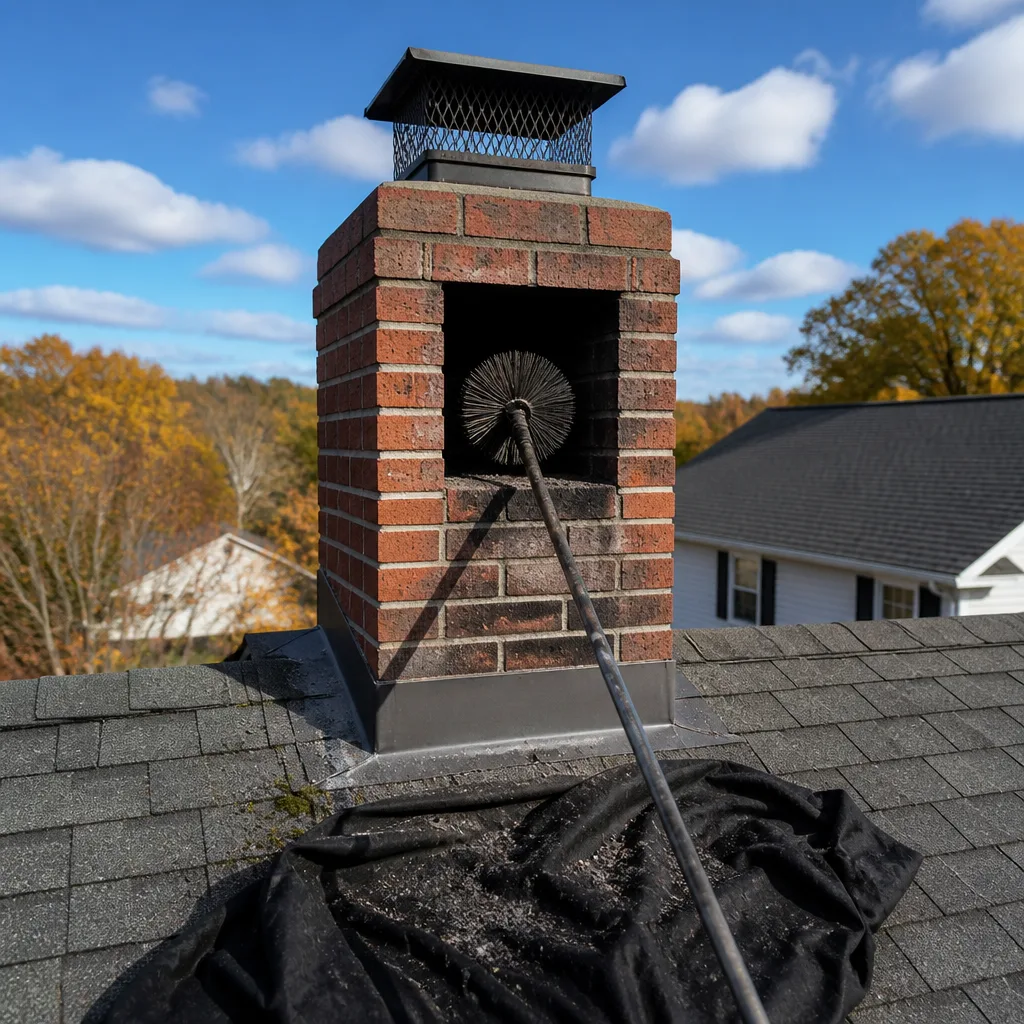
A sweep should size the brush to your flue before the first stroke, run the brush through the full length with rods that don’t flex into the liner walls, and finish with a camera check so you can see the result. If you want to see how that process runs end to end in Tucson homes, our chimney sweep page walks through it. The takeaway here is that brush brand and brush spec go together. A contractor who can name the manufacturer and explain why they chose that head for your flue type is working at trade level.
Creosote Removal Products: What Works on Stage 2 vs. What’s Maintenance Only
Creosote is the residue of incomplete combustion, and it comes in three recognized stages. Stage 1 is soot and flaky deposits a brush removes readily. Stage 2 is the crusty, flaky-to-glazed middle stage that resists routine brushing. Stage 3 is glazed, hardened creosote that bonds to the flue surface and needs chemical treatment, mechanical removal, or both. The treatment that works depends entirely on which stage you have, and that’s where product misuse does real damage.
- Maintenance products (creosote conditioners, sweeping aids) are designed for regular use on light deposits. They help keep stage 1 buildup loose between sweeps. They do not remove stage 2 or stage 3 deposits, and using them as if they do leaves hazardous crust in place.
- Stage 2 removal chemistry works by softening the crust so it can be brushed away. The product has to be matched to the deposit and given the right dwell time. Applied wrong, it either does nothing or leaves a residue that needs its own cleanup.
- Stage 3 glazed creosote often needs chemical conversion followed by mechanical removal, and sometimes points to a relining conversation if the flue surface can’t be restored. This is not a homeowner project.
Here’s the practical point for a buyer: a contractor who can tell you which stage you have, name the product they’d use, and explain why that product fits the stage is showing real technical judgment. A contractor who says “we treat the creosote” without naming the product or the stage is telling you they don’t differentiate. Creosote removal is a safety task, not a maintenance upsell. Ask the question, and treat the answer as a filter.
Crown Sealants and Waterproofing Rated for Tucson’s Thermal Range
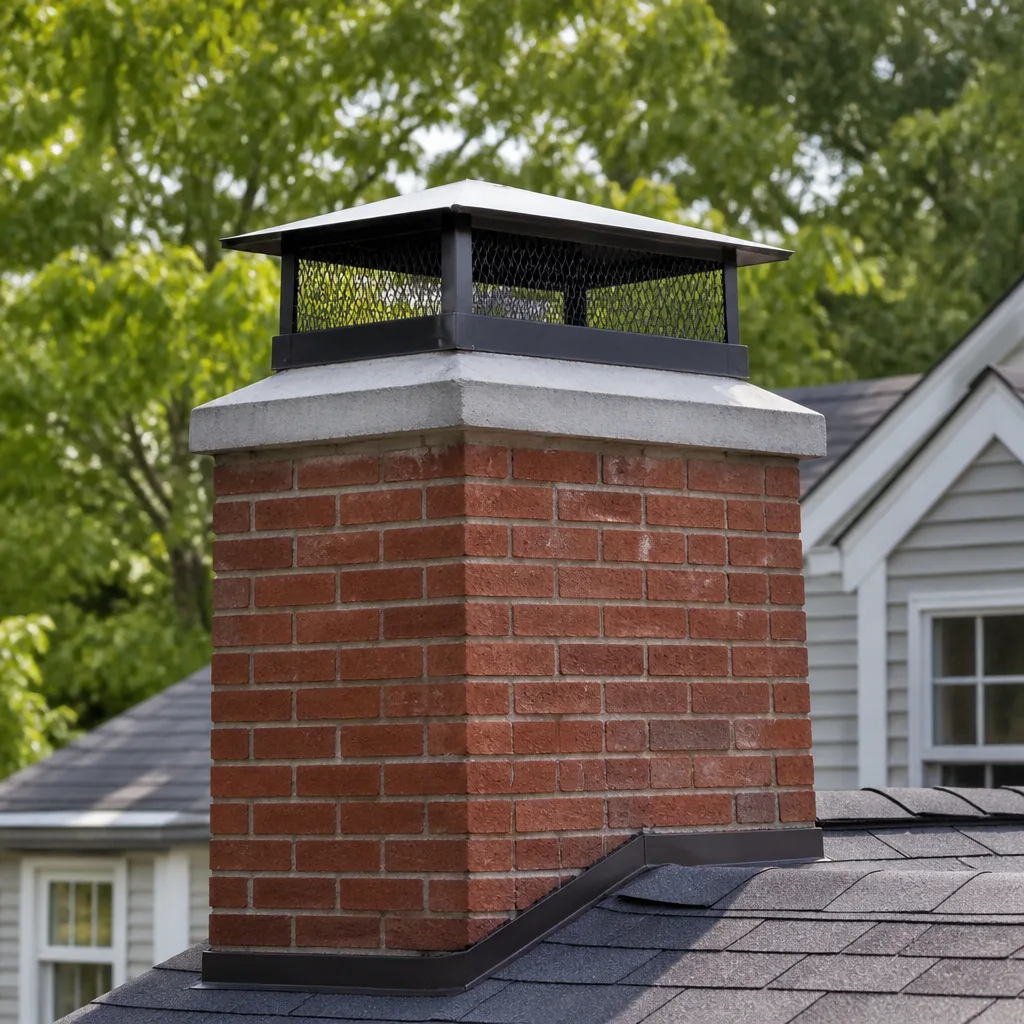
The chimney crown is the concrete cap at the top. It sheds water away from the flue and the masonry below. When a crown cracks, water gets into the chimney structure, and water damage is one of the most common causes of chimney repair we see in Tucson homes. The sealant or repair compound a contractor uses on that crown has to handle a brutal local spec sheet: roof surface temperatures that climb past 140°F in summer sun, sharp overnight drops in the cooler months, and monsoon rain arriving in concentrated bursts.
Not every product is formulated for that range. Sealants rated for cool, damp climates can soften and fail fast under desert heat cycling. Products rated only for interior use have no business on a roof. A trade-level sealant will carry a published temperature range and application spec, and a professional will match it to the local conditions.
What to Look For in a Crown Product
- Published temperature rating that covers both the summer high and the winter low on a Tucson roof, not just the average.
- Flexibility spec that lets the material move with the masonry instead of cracking as the structure expands and contracts.
- UV resistance, since a horizontal roof surface gets direct sun for decades.
- Compatibility with the existing crown and masonry, so the repair bonds instead of peeling.
Homes at higher elevation around the region see cooler nights than the valley floor, and those swings put extra stress on a rigid sealant. A contractor serving the area long term will know which products survive that cycle. If you want the broader context on how weather affects chimney material choices across the area, our Tucson page covers the local picture.
Liner Systems and Why the Liner Matters as Much as the Cleaning
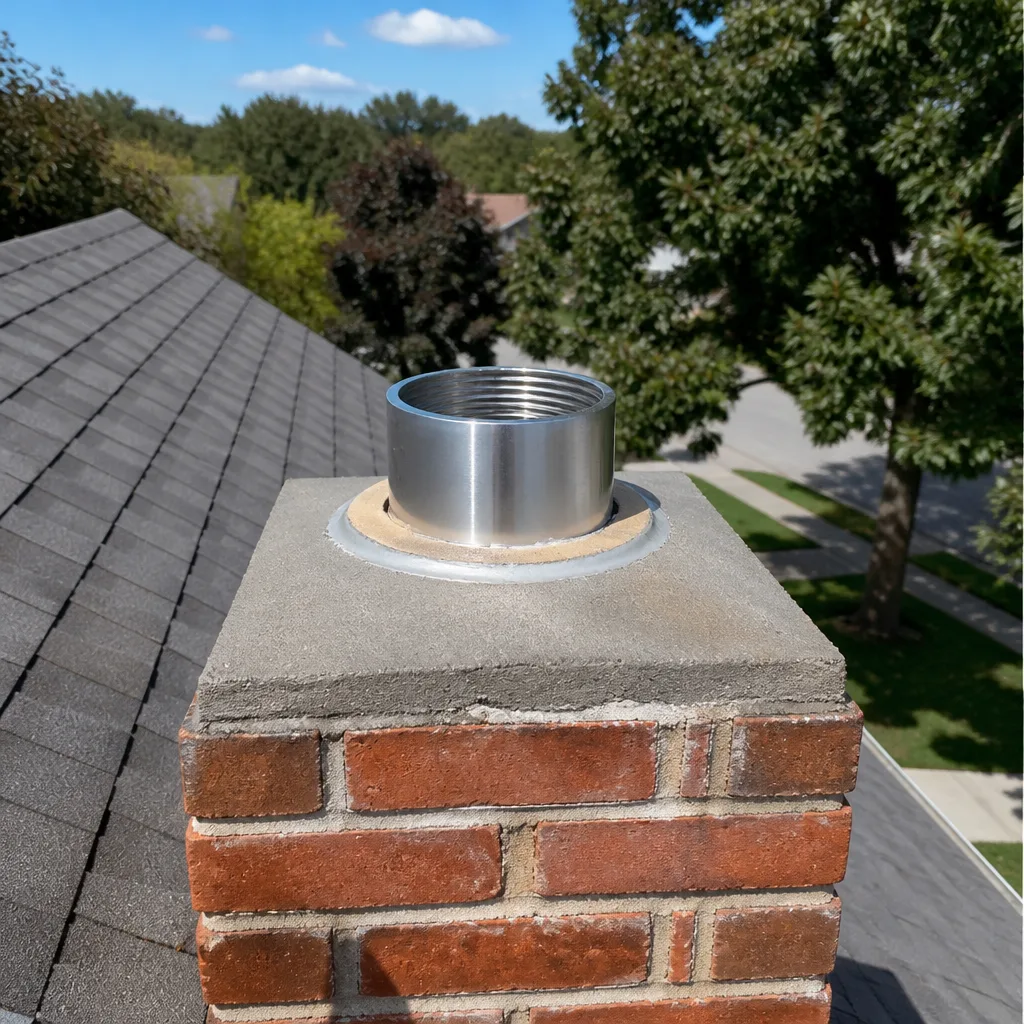
Sweeping clears the flue. The liner is what keeps combustion gases and heat inside the chimney where they belong. A cracked clay tile liner or a deteriorating factory-built flue is a real safety issue, and it’s also where many sweep-only operators stop and hand you off to a separate contractor who does relining. The liner matters as much as the cleaning, and knowing the brand behind the liner system tells you whether the contractor is set up to do the full job.
Flexible stainless liner systems from professional manufacturers are the trade standard for relining. DuraFlex flexible liner systems, for example, are engineered for the kind of full-length, continuous reline that eliminates gaps and seams. When a contractor carries a named professional liner line and installs it in-house, you’re dealing with one company from inspection through completion, which means one point of accountability instead of a referral chain.
HeatShield Resurfacing: A Middle Path
Not every damaged flue needs a full reline, and not every flue can be restored by sweeping alone. HeatShield ceramic resurfacing is a professional-grade system that rebuilds a deteriorated flue interior from the inside, creating a smooth, insulated surface without demolishing the chimney. That capability is worth knowing about because it’s a genuine alternative to a costly full rebuild in the right circumstances, and it’s the kind of product you only get from a contractor with professional supply access.
Here’s how to use this as a buyer:
- Ask whether the contractor stocks a named liner system or buys it per job. A stocked relationship means they’ve committed to the product.
- Ask who installs the liner. In-house crews mean tighter quality control than subcontractors.
- Ask what the inspection found and whether resurfacing or relining is genuinely needed, or whether the flue is serviceable as-is. A specialist should be willing to tell you when work can wait.
That last point matters. When a contractor earns money on relining, asking whether you actually need one tests their honesty. You should get a straight answer backed by camera footage you can see. If you want to understand the full repair scope a dedicated specialist handles, our Tucson Chimney Sweep page covers sweep, repair, and resurfacing together.
How to Ask a Contractor About Materials Without Sounding Adversarial
You don’t need to challenge a contractor to get a useful answer. You just need to ask about their materials in a curious tone. The phrasing matters less than whether they can answer with specifics. These questions work in a phone call before you book:
- “What brands do you stock?” Listen for trade-distribution names. If every answer is a brand you’ve seen at a home improvement store, that tells you the supply channel.
- “What brush material would you use on my flue, and why?” A good answer names the flue type and explains the match. A vague answer means they haven’t thought past one brush size.
- “How do you handle creosote that won’t brush off?” Listen for stage language, product names, and a willingness to say when a flue needs resurfacing instead of a chemical treatment.
- “What do you use on the crown, and what temperature is it rated for?” A contractor working in Tucson should be able to speak to heat and sun exposure without hesitation.
- “Do you carry a liner system, or do you refer that out?” Carrying one tells you they handle the repair, not just the report.
Those five questions take two minutes and surface the difference between a trade professional and a generalist with a brush. You can also ask for the brand names on the label of any product they plan to apply, which is a completely fair request. If a contractor can’t answer basic material questions, that’s a signal to keep looking. If they can, you’ve found someone worth booking.
Dryer Vent Cleaning and the Second Fire Hazard in the Same House
A lot of Tucson homes have two venting systems that trap lint or creosote through normal use. Most homeowners only think about one. A dryer vent packed with lint is a documented fire risk, and it’s a separate system from the chimney. A specialist who offers dry vent service alongside chimney work gives you one call for both, and the safety methodology is the same: inspect, clean, verify with a camera, and show you the result.
When you’re evaluating a chimney contractor, asking whether they also handle dryer vents is a quick read on their scope. It tells you whether you’re dealing with a focused venting specialist or someone whose only service is a sweep. For the full picture on how that service runs, our dryer vent cleaning page covers what the visit involves. Two fire hazards, one call is a real convenience, and it reflects the same professional standard across both systems.
Putting It Together: How to Evaluate an Estimate
When an estimate lands in your hands, read the materials line first. It’s not the number at the bottom that tells you the most, it’s the spec sheet behind it. Here’s a quick rule set for evaluating what you’re quoted:
- Brand names are listed or explained. A quote that names product families shows a contractor working from a supply relationship, not a guess.
- The work matches your inspection findings. If the camera showed stage 2 creosote, the quote should address it specifically. If the crown is sound, there should be no line item for crown work.
- Repair is handled in-house. One company from sweep through reline or resurfacing means no referral runaround and one point of accountability.
- The price is a written estimate per job. You should know what the sweep costs, what any repair costs, and what sets the final number before work starts.
- Nothing is recommended without footage. A professional shows you the flue on camera and explains what they see. If you can’t verify the condition of your own chimney, you can’t evaluate the recommendation. That’s the standard to hold anyone to.
Professional-grade materials, not whatever ships from a warehouse, is the standard a dedicated chimney and venting specialist works to. We handle the repair, not just the report, which is why we carry trade lines and do the relining ourselves. When you’re comparing two estimates in Tucson, the brand roster on each one is the clearest window into how each company operates.
Common Mistakes to Avoid
- Choosing on price alone. The cheapest quote often hides a generalist with consumer-grade materials. That mismatch shows up a season or two later on the crown or the liner.
- Assuming every sweep handles relining. Many local sweep-only operators refer liner work out. If the flue needs it, you’ll be handed to a second contractor mid-project.
- Treating a maintenance product as a creosote remover. Sweeping aids are for light buildup, not stage 2 crust. Using them in place of proper removal leaves a hazard in place.
- Skipping the crown inspection. In Tucson, heat and monsoon rain put real stress on a cracked crown, and a small crack lets water into the masonry. Ask about it every sweep.
- Booking a general handyman for chimney work. Combustion venting is a specialty. A general service with a brush isn’t equipped for flue diagnosis or liner decisions.
- Ignoring the dryer vent. Two fire hazards in the same house, and most homeowners only maintain one. Get both checked in the same visit.
- Not asking to see the camera footage. A recommendation you can’t verify is a recommendation you can’t evaluate. Ask for the visual evidence every time.
See the difference
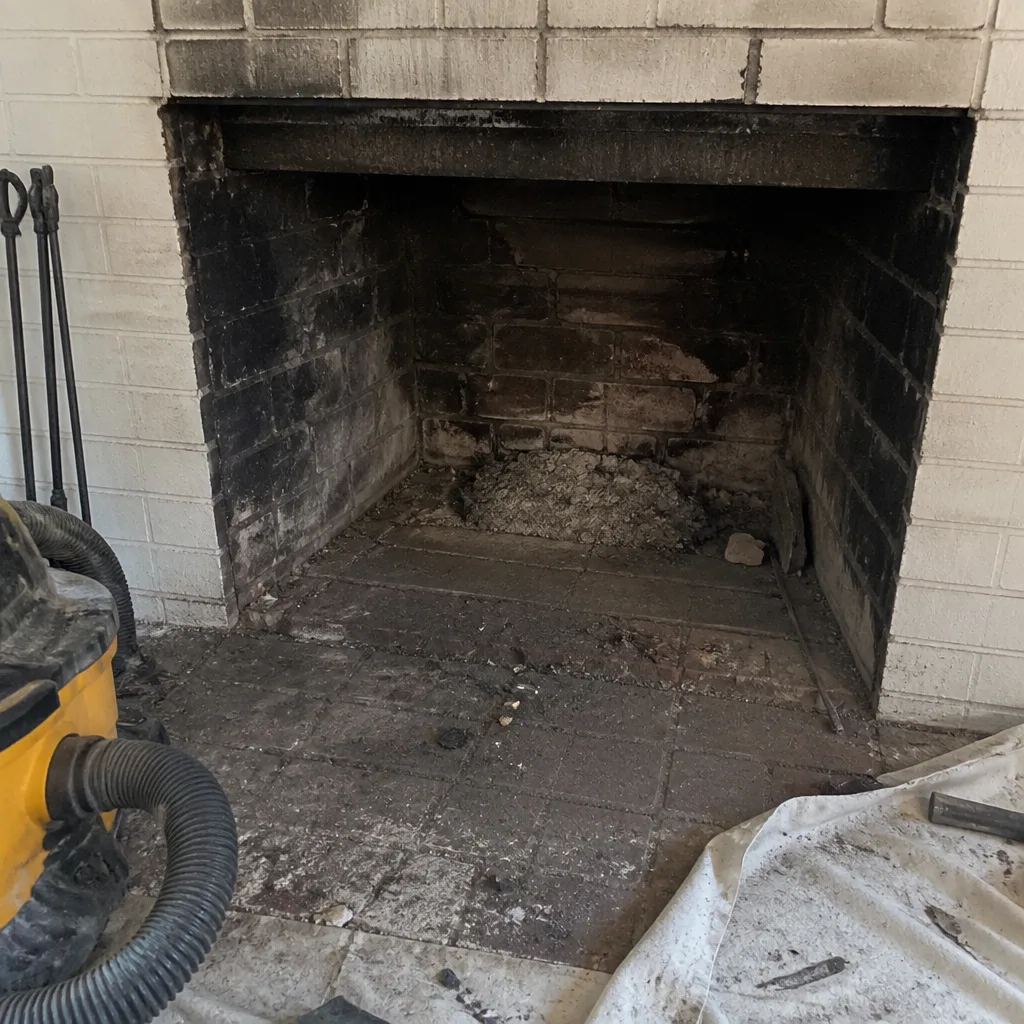 Before
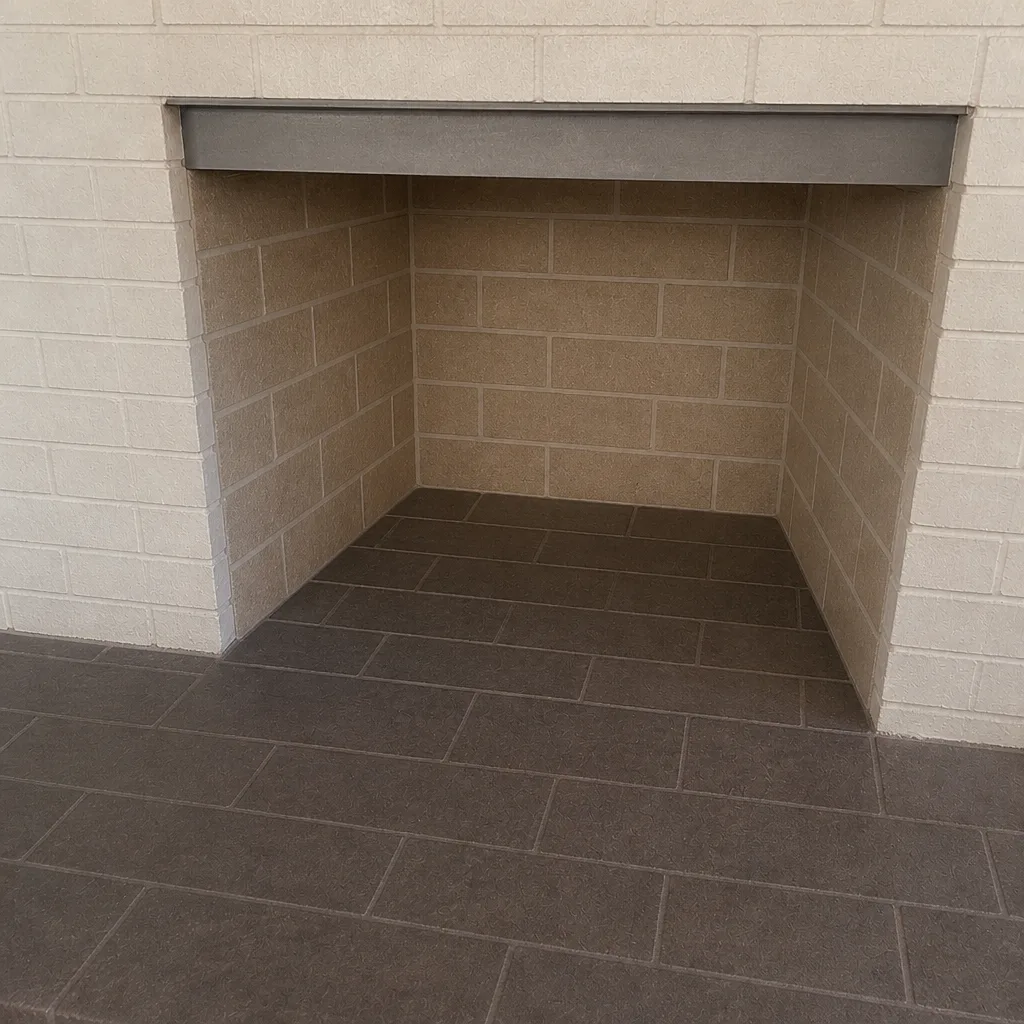 After
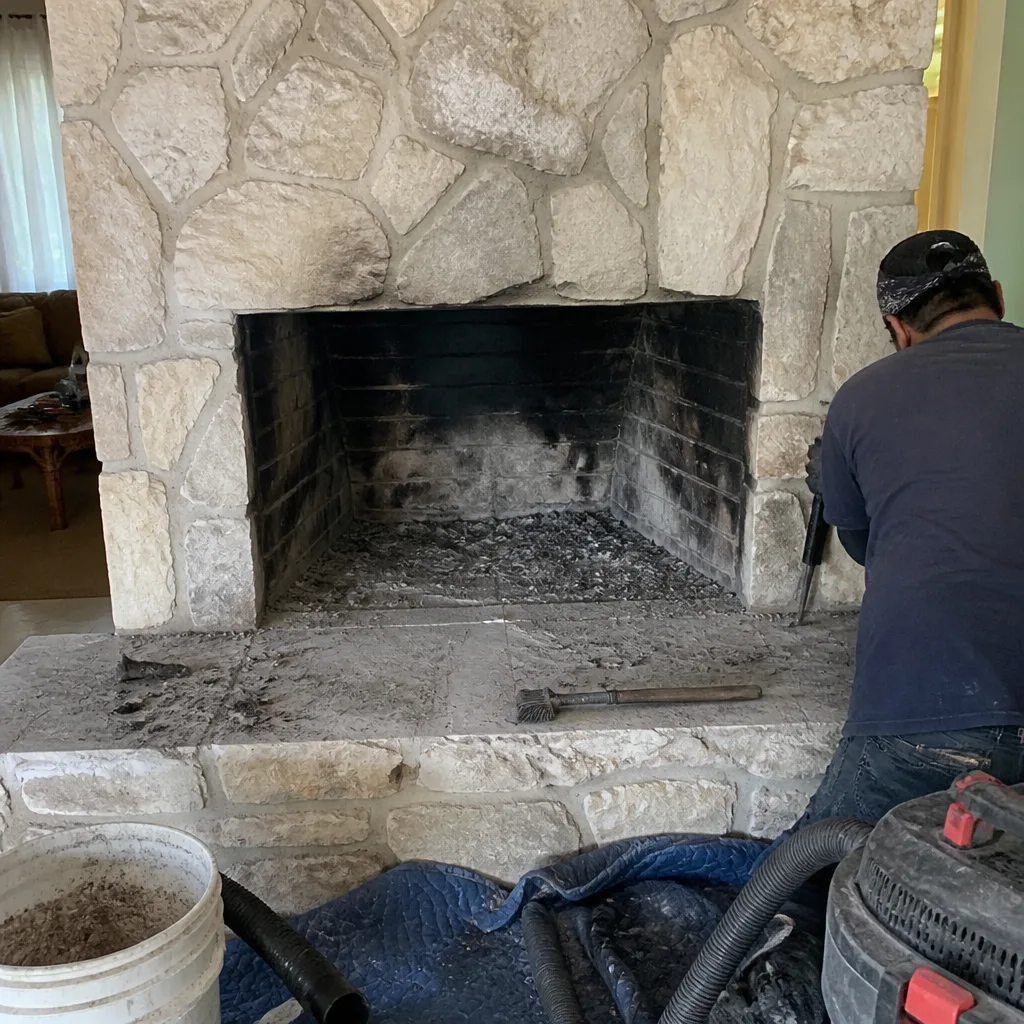 Before
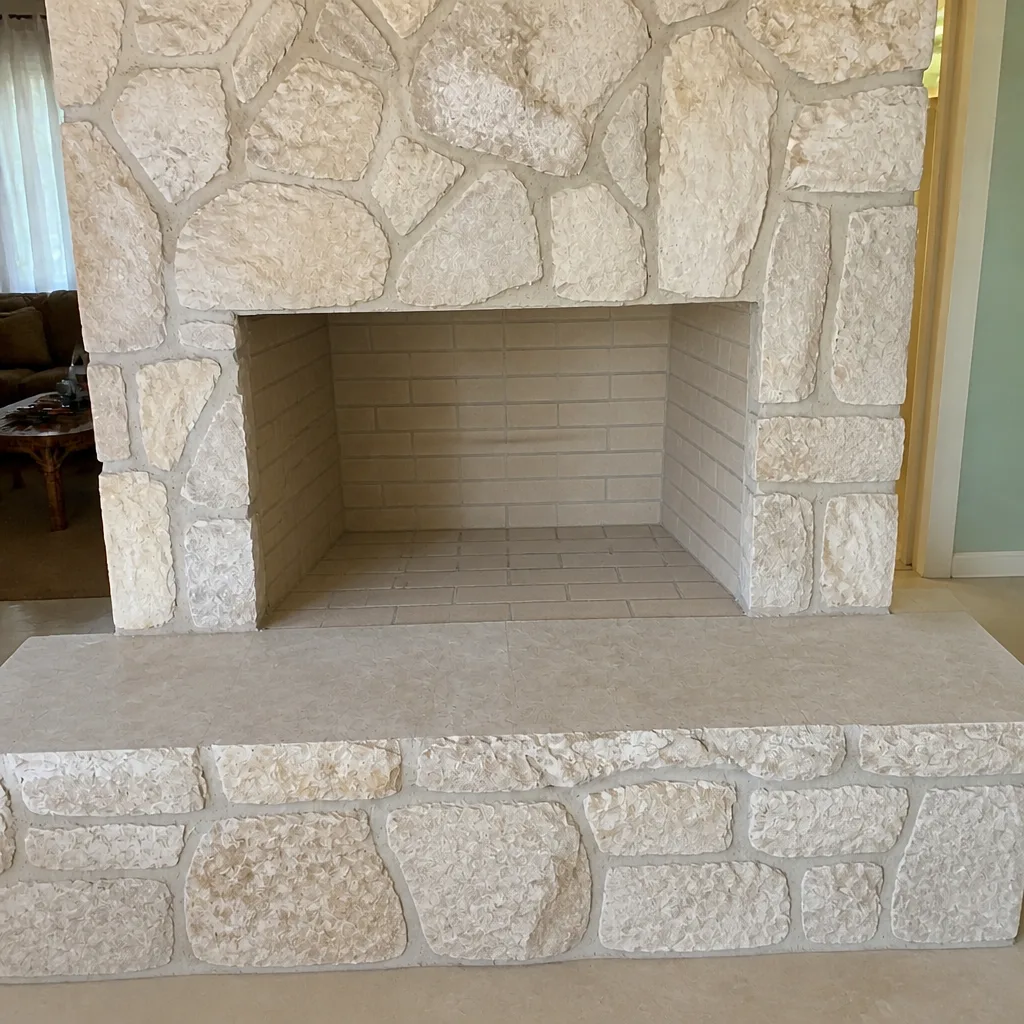 After
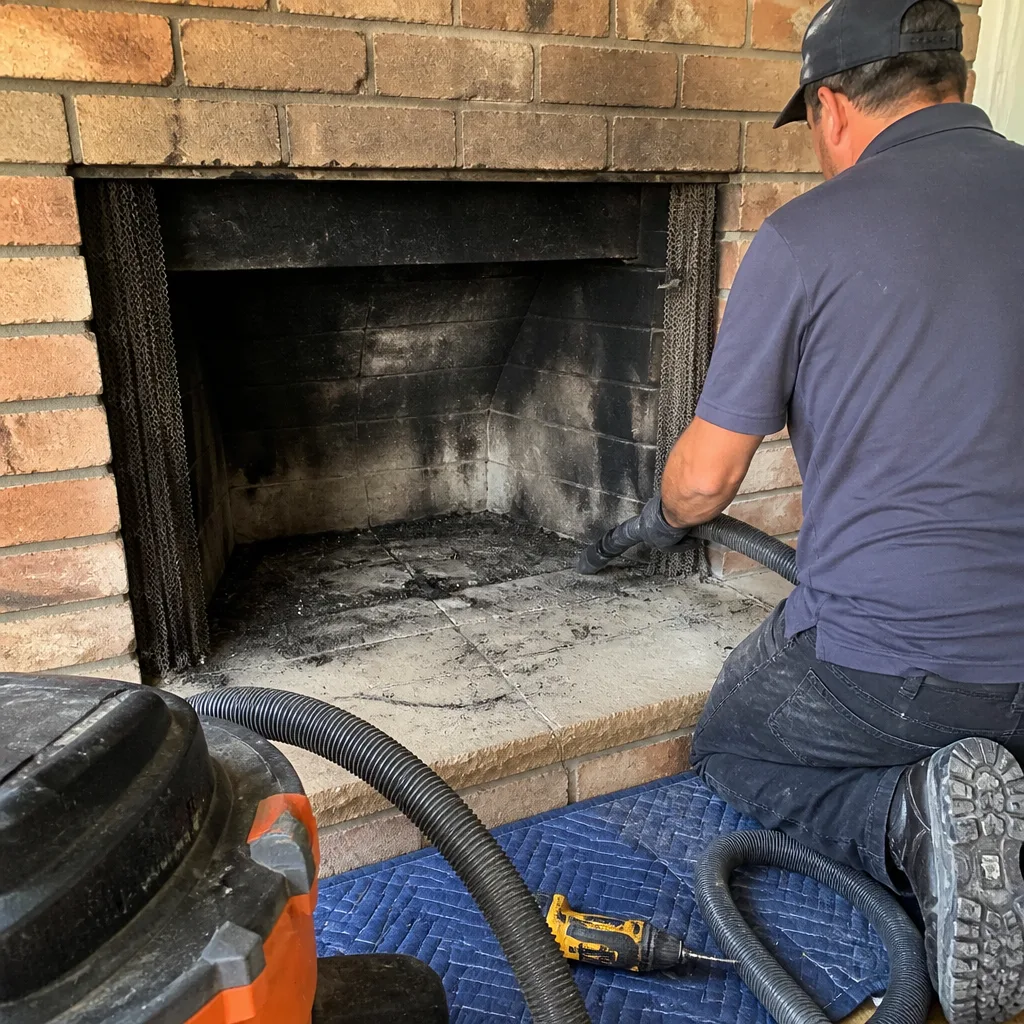 Before
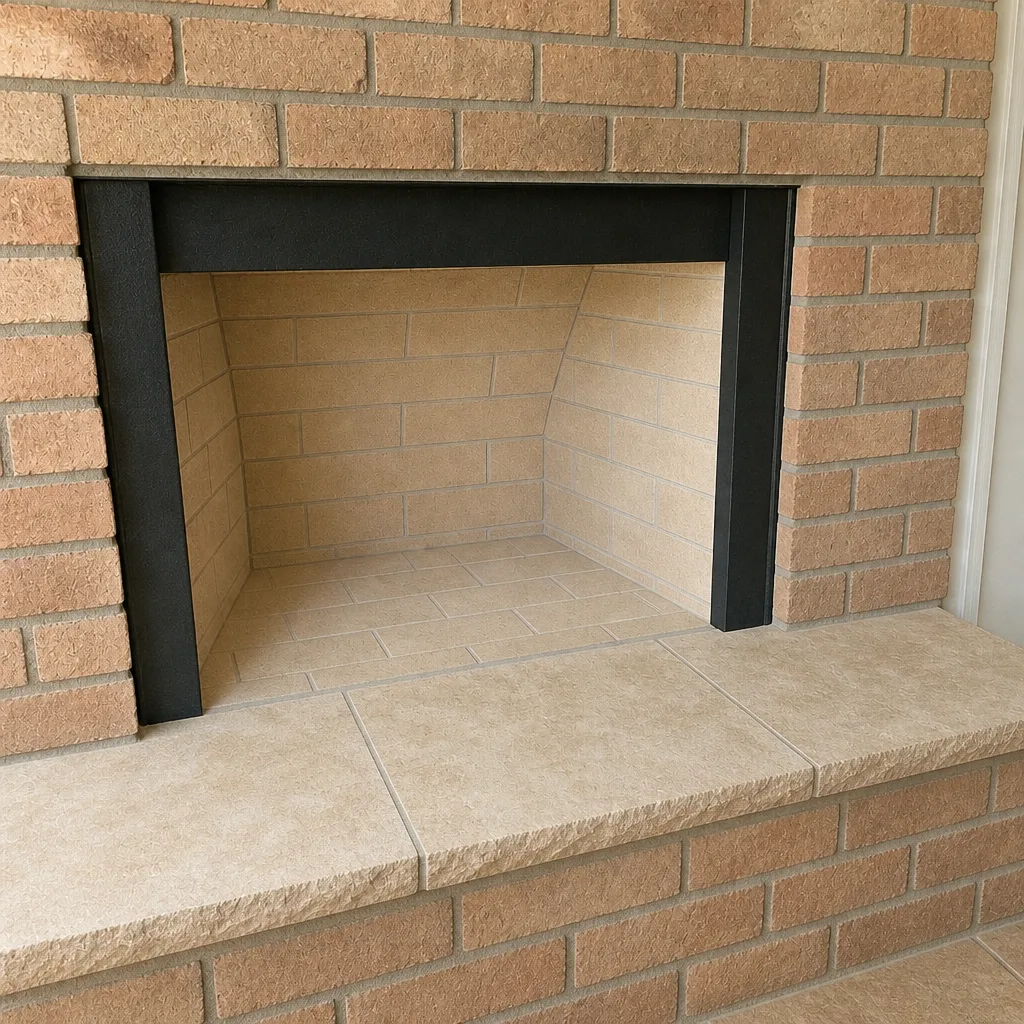 After
When to Call a Professional
Some chimney conditions are clearly a professional visit: glazed creosote on the flue walls, a cracked or crumbling crown, a clay tile liner with visible gaps, a factory-built flue showing rust or separation, or a chimney that has gone several seasons without a sweep. The choice of materials inside that visit is what this guide is about. A specialist should be willing to show you the flue on camera, explain what they see in plain language, and say so when work can safely wait. Tucson Chimney Sweep offers free estimates in Tucson. Call (855) 750-1719. We answer 24/7. Fast dispatch from 7am to 7pm, Sunday through Friday.
Frequently Asked Questions
Professional sweeps typically stock and install products from trade-distribution manufacturers, not retail shelf brands. On the liner side that includes professional flexible stainless systems and ceramic resurfacing products, and on the sealant side products rated for the local climate range. The company here stocks and installs DuraFlex, HeatShield, Gelco, Olympia Chimney, Famco, and Copperfield products, which are reviewed by working chimney professionals, not consumer retailers. When you ask a contractor what they stock, listen for names you’d find in a trade supply catalog. Call (855) 750-1719 for a free estimate.
Yes, because Tucson homes have a mix of masonry, factory-built, and stainless flue types, and the wrong brush can damage a soft liner while leaving creosote behind. Poly brushes handle most routine and factory-built cleaning well, while metal brushes in the right gauge help with stubborn masonry deposits. A sweep should match the brush head to your flue before starting, not arrive with one size for every house. Ask what brush they’d use on your flue. Call (855) 750-1719 for a free estimate.
Maintenance products keep light soot and stage 1 deposits from hardening between sweeps, and removal products soften heavier stage 2 crust so it can be brushed out. They’re not interchangeable, and using the wrong one leaves a hazard in place or adds work to clean up. A specialist can tell you which stage your flue is at from the camera view, then name the product they’d use and why. That level of explanation separates a real chimney professional from a brush-only call.
Sometimes you do and sometimes you don’t, and the only honest way to answer is with camera footage you can see. A cracked or deteriorated liner needs relining or resurfacing because combustion gases and heat need to stay contained. But a flue in good condition gets a sweep, not a liner, and a specialist should tell you that plainly. Resurfacing systems mean there’s also a middle path between full rebuild and replacement. Call (855) 750-1719 for a free estimate.
Crown sealants and waterproofing compounds rated for high surface temperatures, UV exposure, and flexible movement, matched to the local masonry. Products built for cool, damp climates can soften or crack fast on a Tucson roof, where summer surface heat climbs well past ambient and monsoon rain arrives in concentrated bursts. A contractor should be able to name the product and its temperature spec on request. Ask before you book. Call (855) 750-1719 for a free estimate.
Frame it as simple curiosity: “What brands do you stock?” and “What would you use on my flue, and why?” Those two questions get a professional talking about their trade and produce an answer a buyer can actually read. A contractor who works from professional supply lines will be glad to explain, because it’s a chance to show the difference. One who can’t answer is telling you something too.
The Bottom Line
The brand on the label tells you whether a chimney contractor operates at trade level or shops retail the morning of the job. Professional-distribution products drive durability, application results, and the kind of spec sheet a working sweep can actually match to your flue. Brush material, creosote chemistry, crown and waterproofing products, and liner systems all come from those same supply relationships, and in Tucson’s heat and monsoon cycles the material specs get tested hard. Ask two or three material questions before you book, look for brand names in the estimate, and insist on camera footage. Those three habits separate a specialist from a generalist.
Same-Day Repair
Chimney work is a booked visit, and the urgency that matters most is seasonal: getting the flue checked and cleaned before you start burning again in cooler months. Call (855) 750-1719. We answer 24/7. Fast dispatch from 7am to 7pm, Sunday through Friday, so you can get on the schedule before the first fire. Estimates are free, and the price is set per job by the written estimate.
Written by the team at Tucson Chimney Sweep, serving Tucson since 2018.