
Last updated November 14, 2026
 Sweep & inspection
 Caps & crowns
 Flue relining
 Masonry repair
 Gas fireplace service
Level 1 sweep and inspection to the NFPA 211 annual standard - flue, crown, cap, and flashing checked and photographed
Chimney sweep logs do not sweep chimneys. They loosen some creosote - which then falls where a brush and vacuum still have to collect it.
The Complete Guide to Chimney Cleaning in Tucson
Most chimney guides are written for homes that run fires five months a year. A Tucson homeowner with a fireplace, wood stove, or gas insert tends to burn closer to 60 fire-nights annually, split between a compressed winter season and the odd cool desert evening in spring. That short, intense usage pattern changes the math on almost everything: how fast creosote accumulates, when the flue is most vulnerable to wildlife, and why a once-a-year sweep schedule copied from a New England blog can be wrong for a house off Speedway. This guide covers how cleaning actually works in Tucson’s climate, what the desert does to a chimney between burns, when you need an inspection versus a basic sweep, and the questions worth asking before anybody climbs onto your roof. It’s written from the perspective of people who do this work in the desert every week.
Quick Answer
Chimney cleaning in Tucson means removing creosote, soot, and the desert debris (caliche dust, monsoon grit, and sometimes a packrat nest) that collects in a flue during a long off-season, then inspecting the liner and firebox for the cracking that dry heat and moisture swings can cause. Most Tucson homeowners who burn regularly should book a sweep once a year, ideally in late October or early November before the burn season starts. A cleaning is not an inspection; a proper visit includes both a Level 1 visual check and a camera look at the flue, and anything more than light creosote or a damaged liner needs a specialist, not a general handyman.
Styles & brands we work with
- Sweep & inspection
- Caps & crowns
- Flue relining
- Masonry repair
- Gas fireplace service
Table of Contents
- How Tucson’s Short Fire Season Changes Creosote Buildup
- Wildlife in the Flue: Quail, Woodpeckers, and Packrats
- Caliche Dust, Monsoon Moisture, and Liner Wear
- Cleaning vs. Inspection: Which One Do You Actually Need?
- What a Professional Chimney Cleaning Involves, Step by Step
- When a Sweep Turns Into a Repair: Liners and Resurfacing
- Dryer Vents: The Other Fire Hazard in a Tucson Home
- What Chimney Cleaning Costs in Tucson
How Tucson’s Short Fire Season Changes Creosote Buildup
A Tucson burn season compresses into roughly November through February, with a handful of shoulder-season fires on either end. That matters because creosote forms differently depending on how a fire burns, not just how many fires you light. Cool, smoldering fires deposit more creosote than hot, clean-burning ones, and in a compressed season many homeowners are still getting their fire started properly in December. The result is a flue that can accumulate a surprising layer in a small number of burns.
There’s a second wrinkle specific to this region: overnight temperatures in Tucson can swing hard. A fire lit at dusk into a cooling chimney doesn’t draft as well as one lit on a mild evening, and poor draft means more unburned material sticking to the flue walls. Nobody needs to memorize the chemistry. What matters is understanding that “I only burned twenty fires this year” doesn’t automatically mean the flue is clean.
What this means for scheduling:
- Book the sweep before the first cold snap. Late October or early November is the practical window, so you’re not waiting on an appointment when the first genuinely cold night arrives.
- Don’t assume a short season means a light flue. Smoldering, poorly drafted, or green-wood fires leave more behind. Have the flue checked and let the evidence decide.
- Recheck mid-season if you burn heavily. A household burning most nights from November to February should keep an eye on the flue and call if draft or smell changes.
The timing call is really a creosote call, and creosote is the same material regardless of climate. A specialist with a camera can tell you how much is there and whether it’s the crusty, glazed type that needs more than a brush. That’s the difference between a routine chimney sweep and a repair conversation.
Wildlife in the Flue: Quail, Woodpeckers, and Packrats
This is the part cold-climate chimney guides skip entirely. In Tucson, the months your chimney sits unused are the months when local wildlife is looking for a place to nest, roost, or stash food. A capped or uncapped flue on a warm roof is an attractive cavity to a bird or a rodent, and a blocked flue is a genuine hazard the first time you light a fire in the fall.
The usual suspects in this area:
- Gambel’s quail, which will nest in sheltered spots and occasionally find their way into a flue or on top of a damper.
- Gila woodpeckers, common in Tucson and known for drumming and excavating in wood and stucco. A woodpecker investigating a chimney cap or the wood framing around a flue can create entry points or leave debris.
- Packrats, which build nests out of whatever’s handy, including twigs, seed pods, and the occasional shiny object. A packrat nest in a flue is combustible and blocks the exhaust path.
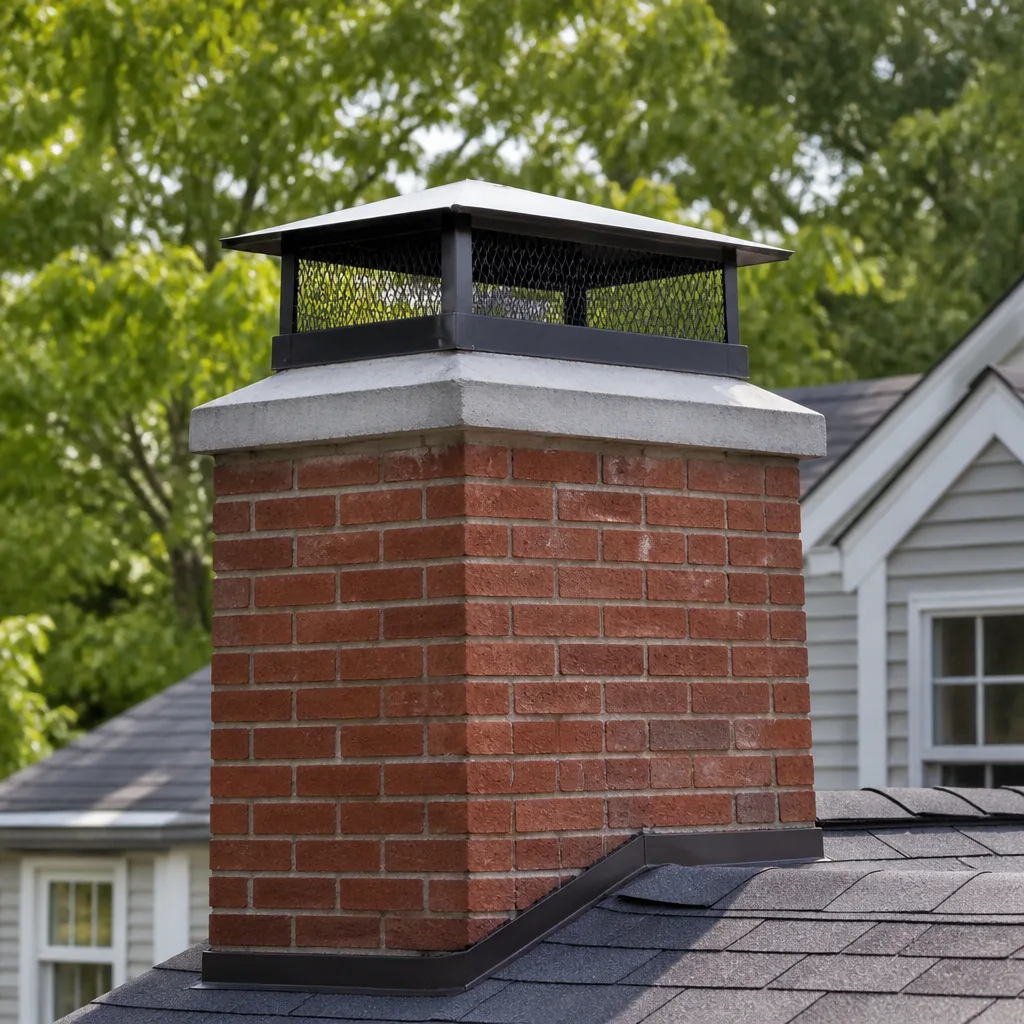
The practical defense is a proper chimney cap and a top-sealed flue during the off-season. A cap keeps birds and rodents out while still letting the flue breathe. If you hear scratching, chirping, or notice debris around the firebox in early fall, don’t light a fire to “clear it out.” Have the flue inspected first. A blocked flue sends smoke and carbon monoxide back into the room, and a nest full of dry material is a fire risk the moment a spark reaches it. For homeowners who want to understand the full scope of what a professional visit covers, our Tucson Chimney Sweep page explains how we handle inspection and cleaning together.
Caliche Dust, Monsoon Moisture, and Liner Wear
Two forces work on a Tucson chimney that don’t show up in most cleaning guides: dust and monsoon moisture. Caliche is the calcium carbonate hardpan common in desert soil, and the fine dust from it gets into everything. On a windy spring day it settles on roofs, works into mortar joints, and mixes with soot inside a flue. That gritty layer isn’t just cosmetic. Abrasive dust combined with repeated sweeping and thermal cycling accelerates wear at the mortar joints and can leave the flue surface rougher, which gives future creosote more to grab onto.
Then comes the monsoon. From roughly July into September, humidity rises and afternoon storms deliver sudden moisture to a roof that’s been baking for weeks. A masonry chimney absorbs some of that moisture, and when the heat returns, the material expands and contracts. Over several seasons, that cycle shows up as hairline cracks in the flue tiles, spalling at the crown, and loosened mortar. A crack in the liner is exactly the kind of thing that lets heat and combustion gases reach framing or the inside of the house.
What to watch between sweeps:
- Crown and cap condition. Look for cracks, missing chunks, or a cap that’s come loose after a storm.
- Mortar joints in the firebox. Crumbling or missing mortar is a sign the interior has been taking on moisture.
- Efflorescence. White staining on brick or stucco near the chimney often points to moisture moving through the masonry.
- Rough flue walls. You won’t see this yourself, but a camera inspection will show it, and it’s the reason a clean flue stays cleaner longer than a rough one.
None of this means a Tucson chimney is fragile. It means the desert isn’t the dry, static environment people assume. A yearly check catches crown and joint problems while they’re still small. The longer a cracked crown goes unattended, the more water gets in, and that’s when a simple maintenance item turns into masonry work.
Cleaning vs. Inspection: Which One Do You Actually Need?
A cleaning removes what’s in the flue. An inspection tells you whether the flue is safe to use. They aren’t the same service, and any chimney company that treats them as interchangeable is cutting a corner. In Tucson, most homeowners burning regularly need both on an annual basis, done in a single visit.
The industry recognizes three inspection levels. Here’s what each one actually means:
- Level 1 inspection. A visual check of accessible parts of the chimney and firebox, taken during a routine sweep or when you haven’t changed anything about the system. This covers most annual visits.
- Level 2 inspection. Adds a camera look down the length of the flue and access to areas not visible from the room. This is what you want after any change in the system: a new appliance, a chimney fire, storm or seismic damage, a change in fuel type, or when buying a home.
- Level 3 inspection. Involves opening up parts of the structure to reach concealed areas, usually after a known event like a chimney fire or a suspected hidden defect.
For a Tucson household that burns most winter nights, a Level 1 with a camera look is the sensible annual standard. A camera matters here specifically because the desert debris we described, the cracks from moisture cycling, and the roughness from caliche dust are all internal. You can’t see any of it from the firebox. A photo report you can look at yourself changes the conversation from “trust me, you need a liner” to two people looking at the same evidence.
If you’re buying a house in Tucson, or you’ve inherited a chimney you’ve never used, ask for the Level 2. It’s the right first step before you light anything.
What a Professional Chimney Cleaning Involves, Step by Step
A proper chimney cleaning protects the house as much as it cleans the flue. In a dust-sensitive desert home with an open floor plan, containment is the whole difference between a real professional visit and a cloud of soot in the living room. Here’s how a thorough cleaning typically runs:
- Protect the room. Drop cloths on the floor and a sealed workspace around the firebox opening, so nothing escapes into the room.
- Set up negative pressure. A professional-grade vacuum with HEPA filtration runs throughout the job, holding the work area at negative pressure so dust and soot travel to the vacuum rather than into your house. This is the step cheap equipment skips.
- Inspect before cleaning. A quick visual check of the firebox, damper, and smoke chamber to spot damage or a blockage before anything gets brushed loose.
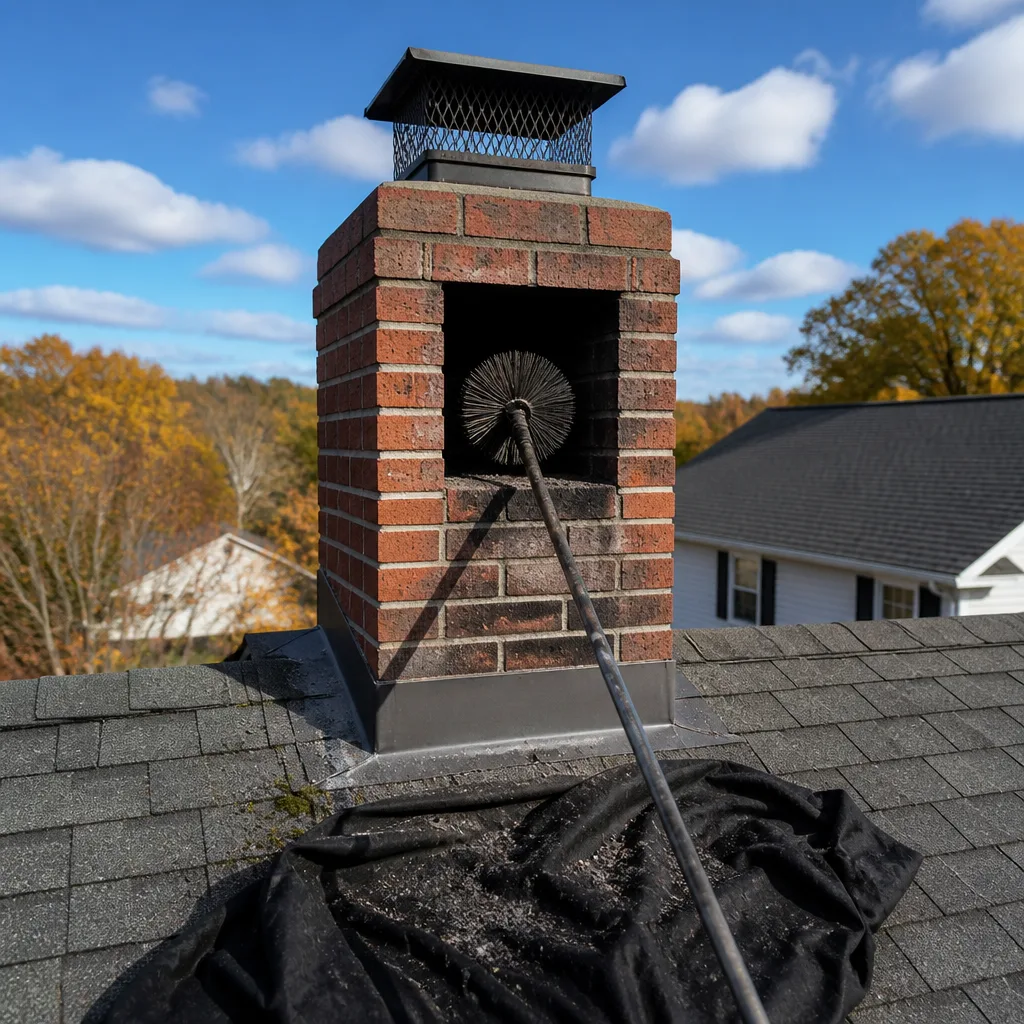
- Sweep the flue. The right brush for the flue type, run from the top or the bottom as the chimney allows, removing creosote and debris from the full length.
- Clean the firebox and smoke chamber. Soot collects here too, and it’s where a lot of the smell lives.
- Run the camera. A look at the flue interior to check for cracks, glaze, or a rough surface, with photos you can review.
- Check the cap, crown, and exterior. From the roof: cap condition, crown integrity, flashing, and any sign of moisture or animal activity.
- Go over the findings. A plain-language walk-through of what was found, what needs attention, and what can safely wait.
Equipment matters in a desert home. A handheld shop vac won’t hold the dust a flue brush releases, and in a house with an open plan a poorly contained sweep leaves a fine layer of soot across a much larger area than the fireplace. We bring professional-grade vacuums and containment for exactly that reason. We also stock the materials a repair might need, including DuraFlex flexible liner systems and Olympia Chimney components, so a small issue found during cleaning doesn’t become a second appointment with a second company. Nothing gets recommended without camera evidence you can see. If the flue is fine, we tell you that.
When a Sweep Turns Into a Repair: Liners and Resurfacing
Sometimes the cleaning finds a problem, and that’s the moment many sweep-only outfits hand you a business card for someone else. We handle the repair ourselves, in-house, not as a subcontract. Two repair paths come up most often.
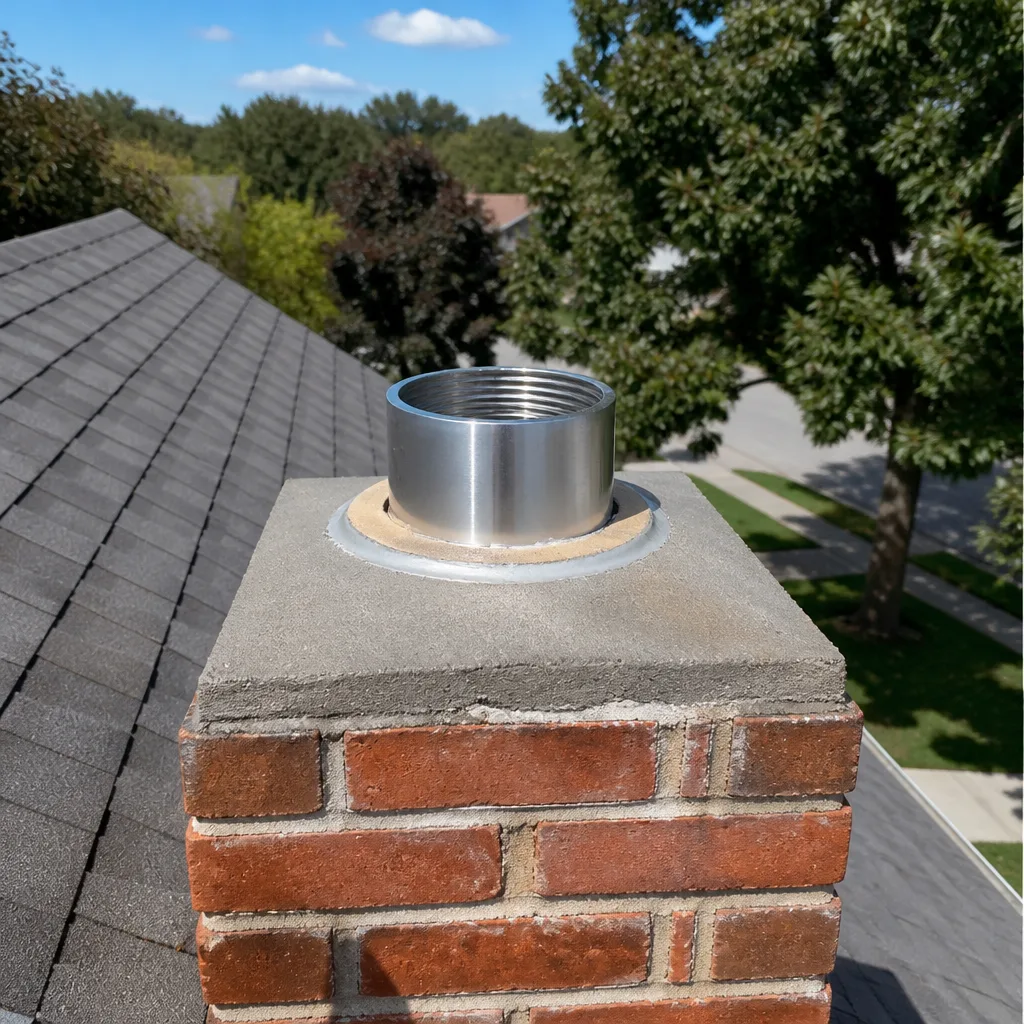
The first is relining. A cracked, corroded, or rough flue needs a new liner if it can’t safely contain what goes up it. A flexible stainless liner like DuraFlex is designed for that job, sized and insulated to the appliance. A rough flue that keeps catching creosote is also a candidate for relining, because a smooth interior stays cleaner and drafts better.
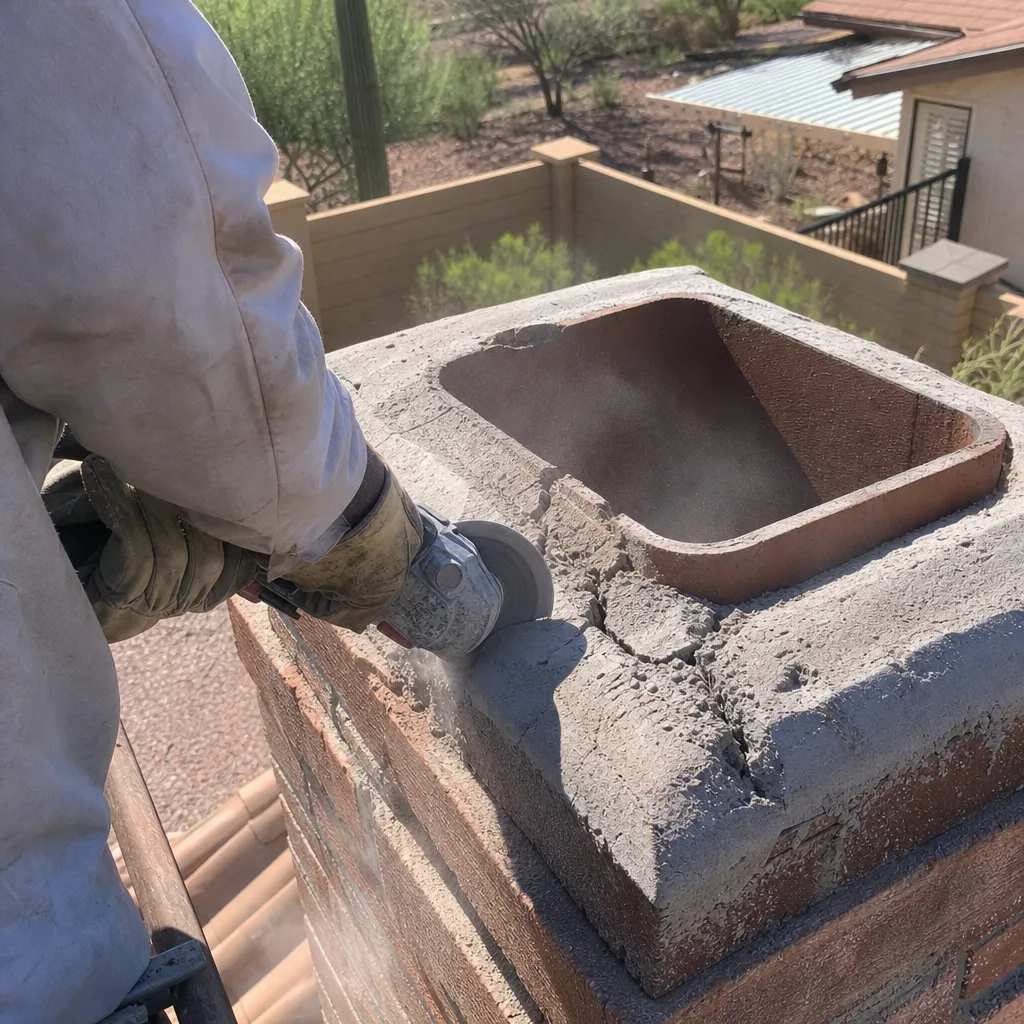
The second is resurfacing. A masonry flue that’s cracked but structurally sound can sometimes be resurfaced with HeatShield ceramic material, which rebuilds a smooth, heat-resistant inner surface without tearing the chimney apart. That’s a real alternative to a full rebuild, and not every local operation has the capability. It’s the kind of work that makes a specialist worth calling instead of a general handyman.
How to think about whether repair is actually needed:
- Ask to see the camera photos. A repair recommendation should come with evidence. If you can’t see the damage, ask why.
- Distinguish “needs attention” from “needs repair now.” Some findings can be monitored and addressed later. A cracked flue tile near the top and a fully deteriorated liner are different problems.
- Match the solution to the damage. Resurfacing treats a different condition than relining. A company that only sells liners may recommend one when resurfacing is the better fit.
- Ask who does the work. In-house repair keeps one point of contact from inspection through finish.
The liner matters as much as the cleaning. A flue that passed its first sweep still needs a sound liner to be safe over a full season. Our team’s work is built around that idea, using professional-grade materials from HeatShield, Gelco, and Olympia Chimney because those are the brands the trade itself specifies.
Dryer Vents: The Other Fire Hazard in a Tucson Home
Lint buildup in a dryer vent is a leading cause of household fires, and it’s the same kind of problem a chimney has: a vent path that gradually clogs until heat has nowhere safe to go. The long off-season pattern that applies to chimneys applies here too. Lint accumulates slowly, quietly, and often goes years without a look.
Signs a dryer vent is overdue:
- Clothes take noticeably longer to dry than they used to.
- The dryer feels hot to the touch on the outside.
- There’s a burning or musty smell during a cycle.
- The outdoor vent flap barely moves, or lint is visible outside.
- It’s been a long time since the vent was last cleaned, and you can’t remember when.
We offer dryer vent cleaning as a standalone service, handled with the same safety-first approach as a chimney. Combining the two visits in one trip makes sense for most households, and it means one call covers the two systems most likely to be involved in a home fire. If your dryer vent has never been cleaned, it’s worth asking about at the same time as your chimney sweep.
What Chimney Cleaning Costs in Tucson
Pricing for chimney cleaning depends on the flue length, how much creosote has built up, and whether the visit includes a camera inspection. In our experience, Tucson homeowners should expect a range rather than a fixed number, and they should get a written estimate before work begins. That written estimate is what sets the final price, not a phone quote.
- Standard sweep with a Level 1 inspection: a typical single-flue cleaning with a camera look and photo report.
- Heavy creosote or a glazed flue: more time and more specialized handling, so the estimate reflects it.
- Wildlife debris or a nest: removal and a check of the flue and cap after, which adds time to the visit.
- Relining: a separate project priced by flue size and liner type, with DuraFlex or Olympia Chimney materials.
- Resurfacing: priced per job after the camera shows whether a HeatShield application is the right repair.
- Dryer vent cleaning: a standalone service, often booked alongside the chimney.
We don’t publish a flat rate because no two flues are the same. What we do commit to is a written estimate before any work starts, so the number you agree to is the number you pay. If a repair comes up during the sweep, we’ll show you the photos and explain why. Estimates are free. Call (855) 750-1719 to book one.
Common Mistakes to Avoid
- Treating the off-season as a dead zone. The months your chimney isn’t in use are exactly when packrats and birds move in. A capped flue and a fall inspection prevent the most common Tucson surprise.
- Skipping the camera because the firebox looks fine. Cracks, glazed creosote, and rough flue walls live above the firebox, where you can’t see them. A visual-only check misses the problems that matter most.
- Hiring a general handyman to sweep the flue. A chimney is a combustion venting system, and the person cleaning it should specialize in chimneys. Someone with a brush and a shop vac isn’t the same as a trained specialist with containment equipment.
- Lighting a fire in a flue that might be blocked. If there’s a nest, a fallen cap, or debris in the flue, a fire can send smoke and carbon monoxide into the house. Inspect first.
- Accepting a liner recommendation without evidence. Any repair should come with photos you can see and a plain explanation. If a company can’t show you the damage, ask why before you agree.
- Forgetting the dryer vent. Two systems carry fire risk in a home, and the dryer vent is the quieter one. If the dryer is slow or hot, it’s overdue.
- Waiting for the first cold night to call. The schedule fills up as the season starts. Booking in late October means your flue is ready before you need it.
See the difference
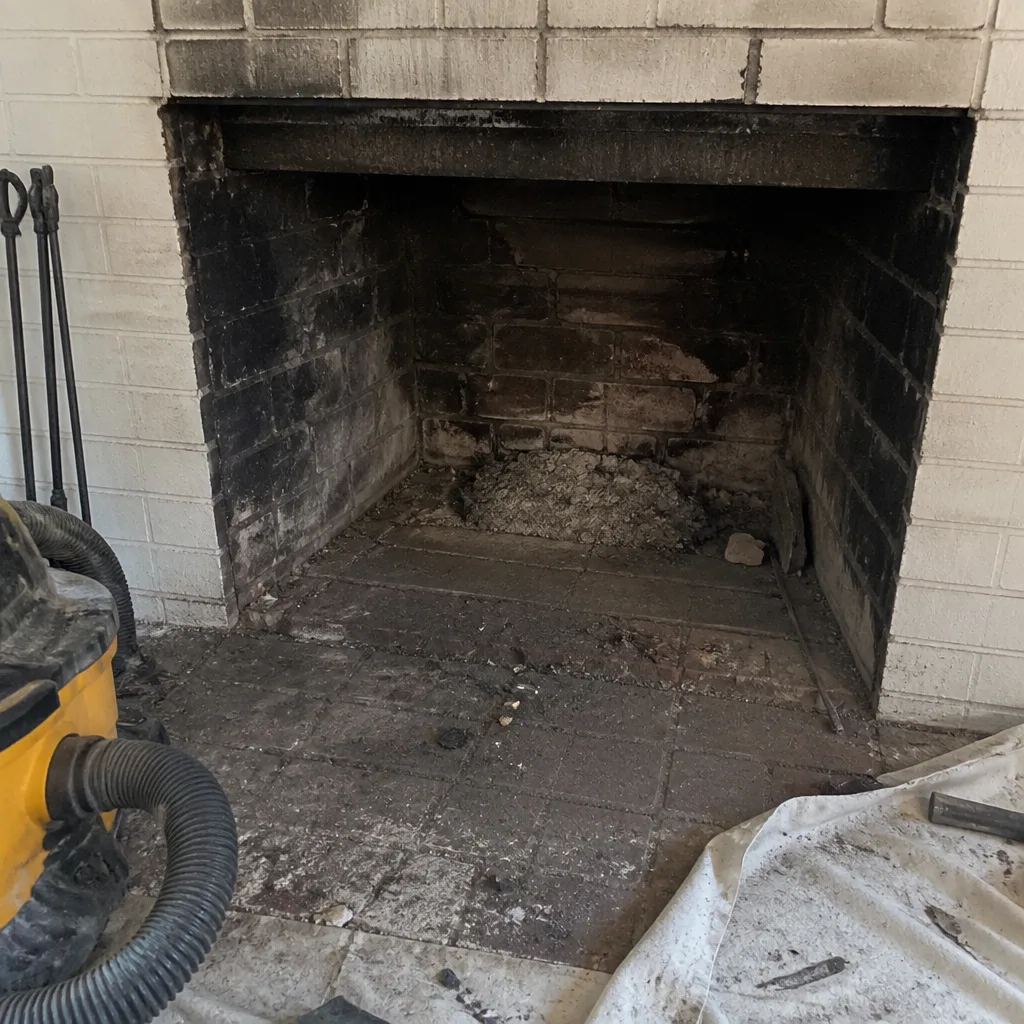 Before
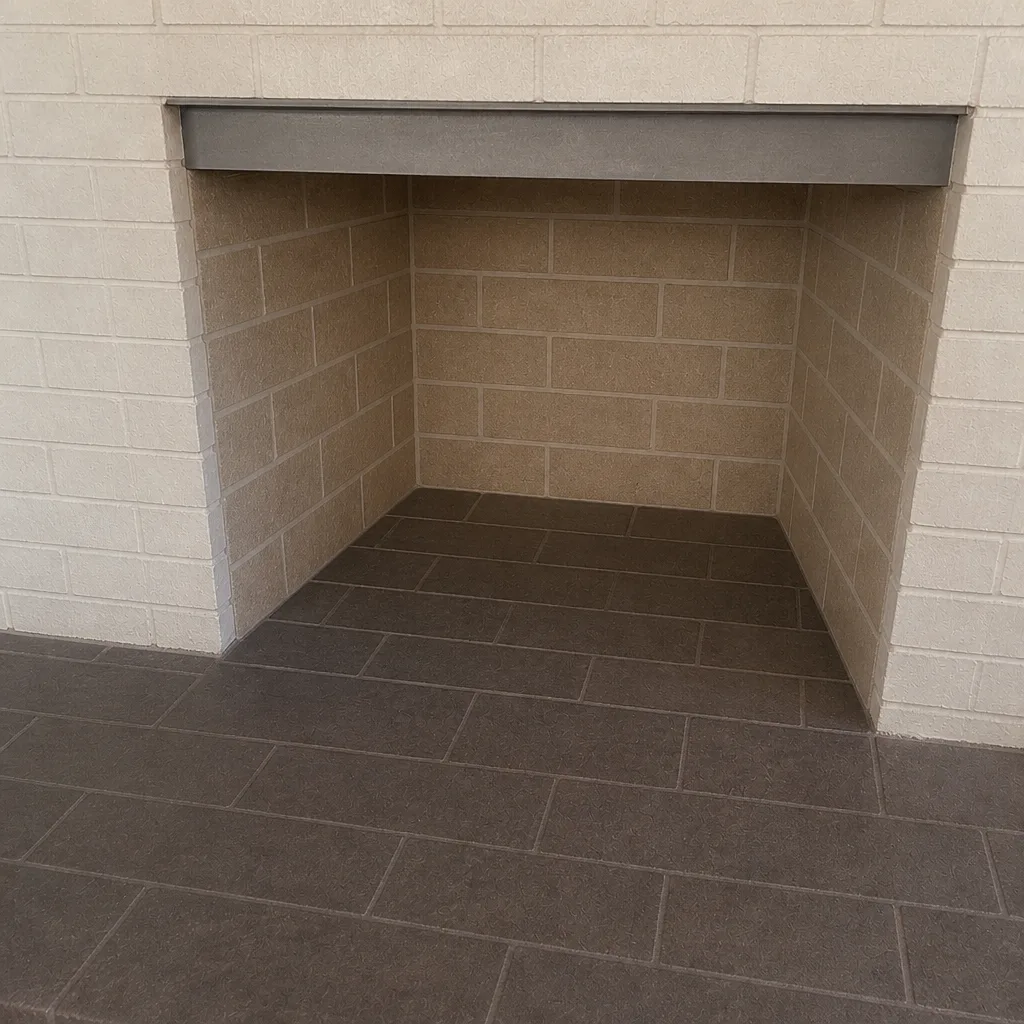 After
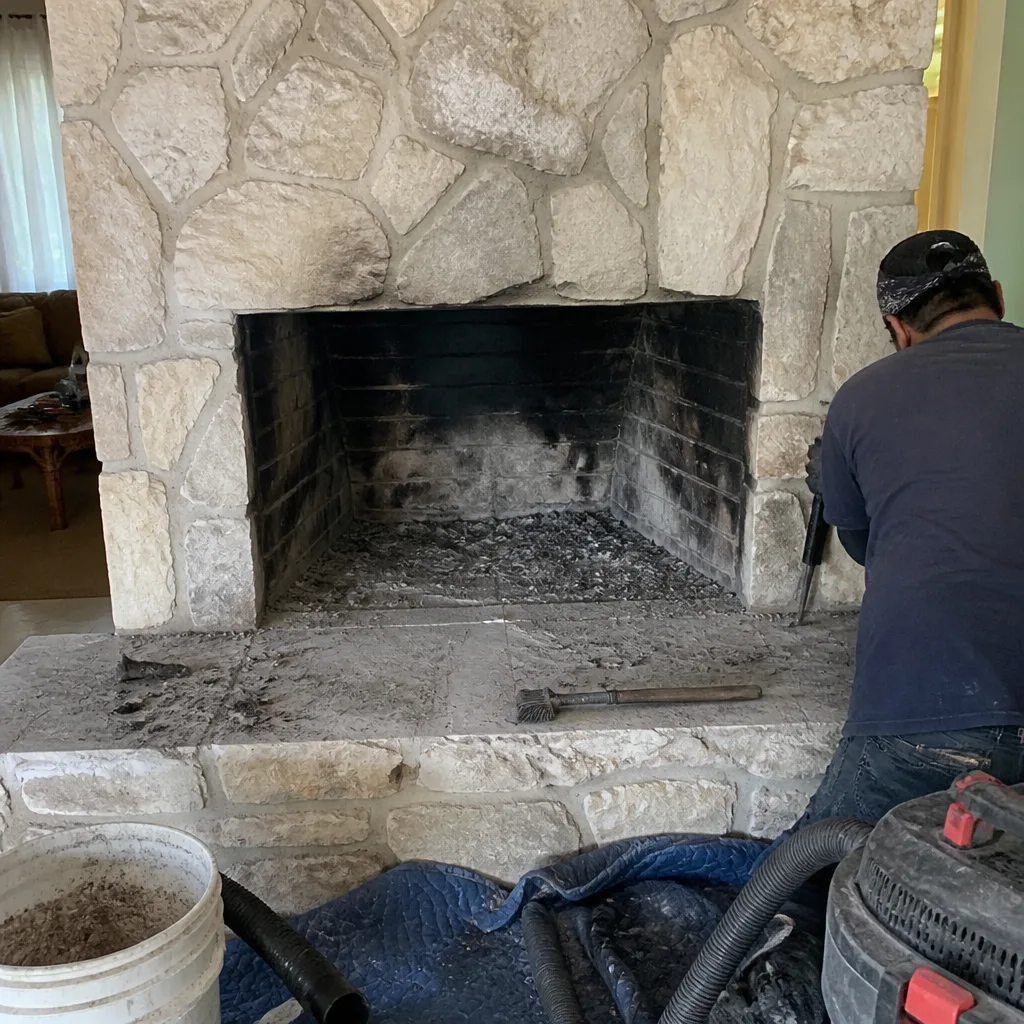 Before
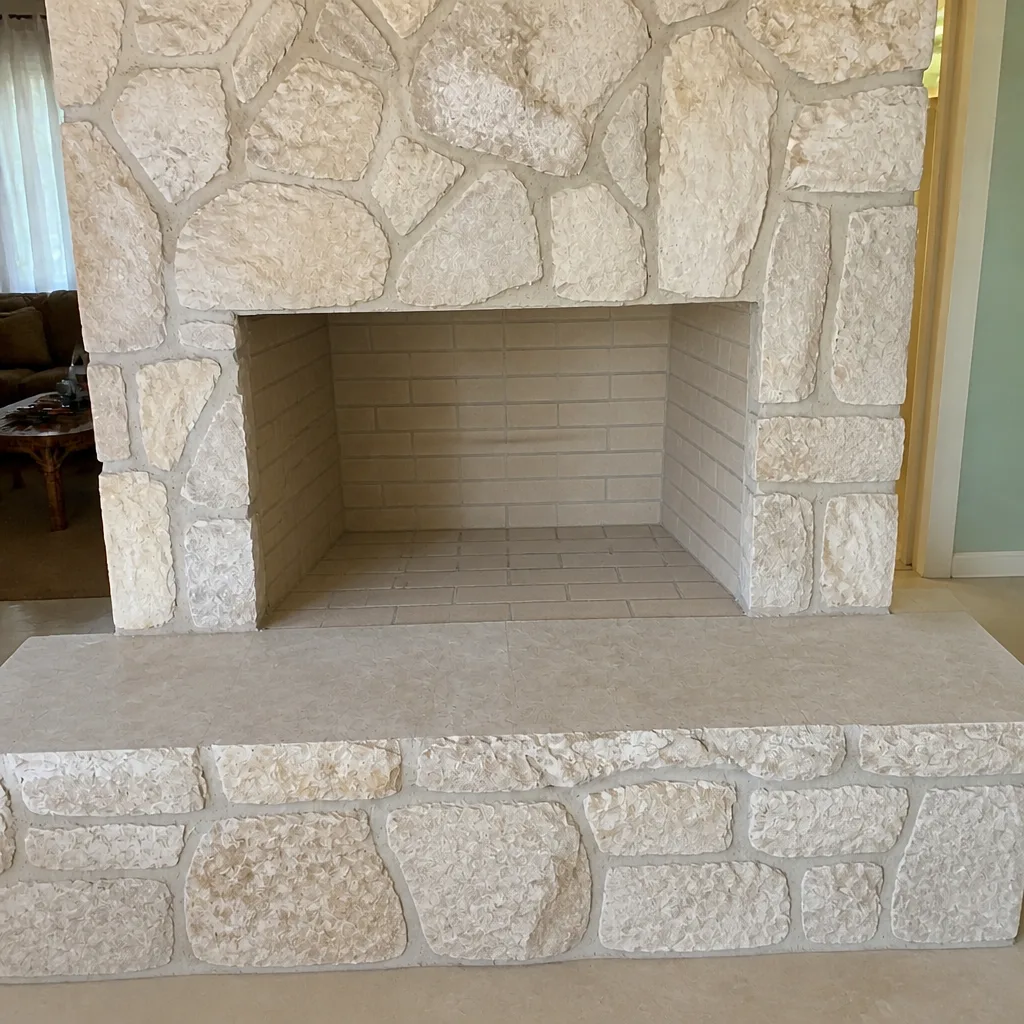 After
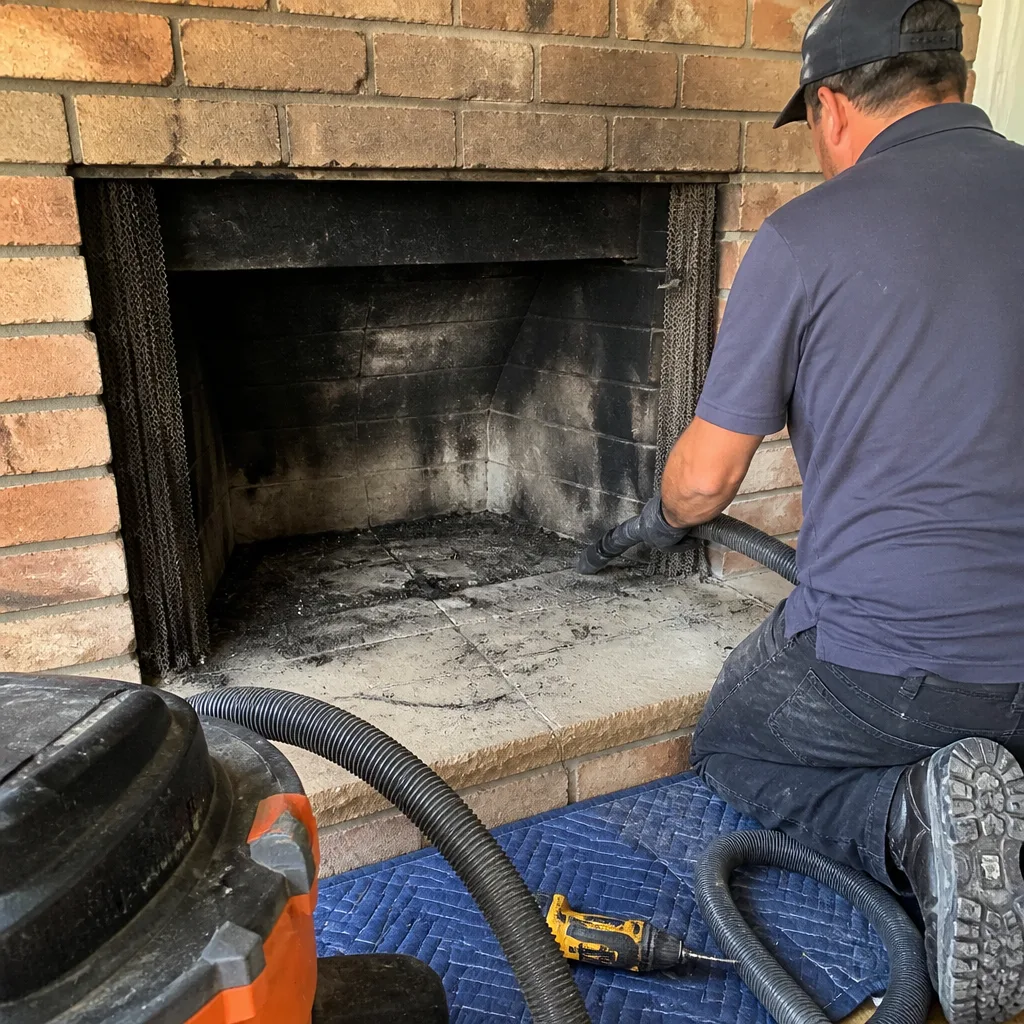 Before
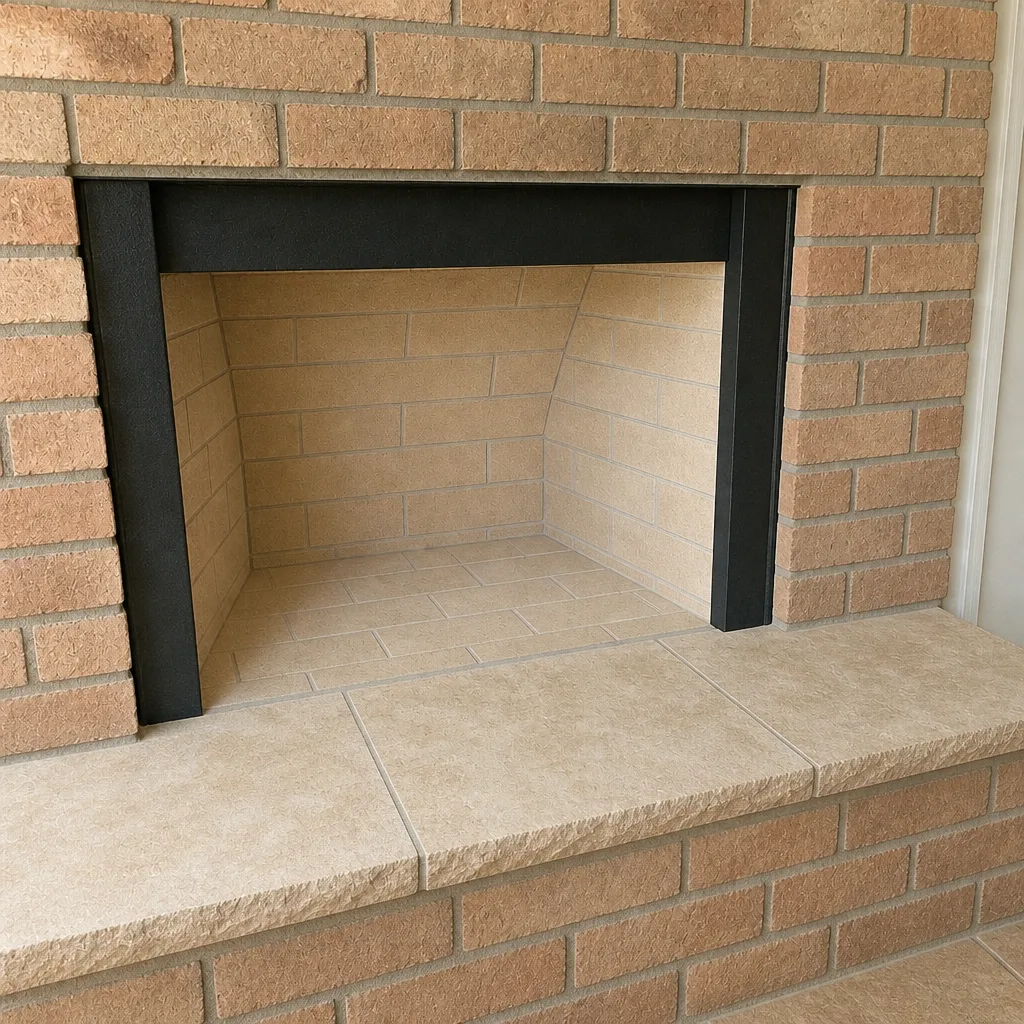 After
When to Call a Professional
Call a chimney specialist if any of these sound familiar: your flue hasn’t been cleaned in over a year, you’ve never had a camera inspection on this chimney, you found soot or debris around the firebox, you hear animals in the flue, there’s a smell of creosote or smoke in the house even when no fire is burning, or the exterior shows cracked crown, loose cap, or stained masonry. Call sooner if you’ve had a chimney fire, even a small one you put out yourself. Call also if you’re buying or selling a home in Tucson and need a Level 2 inspection. Tucson Chimney Sweep offers free estimates in Tucson – call (855) 750-1719. We answer 24/7. Fast dispatch from 7am to 7pm, Sunday through Friday.
Frequently Asked Questions
Once a year for a household that burns regularly, and that’s the simplest honest answer. Because Tucson’s burn season is concentrated into a few months, a single pre-season sweep in late October or early November catches the year’s buildup before it becomes a hazard. Households that burn heavily or use unseasoned wood may want an extra check mid-season. If you’ve let more than a year pass, have it inspected before the next fire. Call (855) 750-1719 to get on the schedule; estimates are free.
Only if the camera shows the liner can’t safely contain combustion, and that should be proven, not asserted. A cracked, corroded, or badly rough flue tile may need a flexible liner like DuraFlex, or it may be a candidate for HeatShield ceramic resurfacing if the structure is sound. Both are legitimate repairs, and they solve different problems. Ask to see the photos and ask why one approach fits better than the other. Call (855) 750-1719 for an inspection with a photo report.
It depends on flue length, creosote volume, and whether a camera inspection is part of the visit, which is why we price per job rather than quoting a flat rate. You’ll get a written estimate before any work begins, and that written estimate is the final price. Anything beyond a standard sweep, like wildlife debris removal or heavy glazed creosote, gets priced into the same estimate. Call (855) 750-1719 for an exact quote; estimates are free.
Creosote keeps building, a wildlife nest may take up residence, and a crack in the flue can go unnoticed season after season. None of those things are emergencies on day one, but each one raises the risk the next time you light a fire: a flue fire, a carbon monoxide problem, or a repair that costs more than a cleaning would have. The safest move is an annual check with camera evidence. Call (855) 750-1719 to book one; estimates are free.
A blocked or damaged flue can allow combustion byproducts, including carbon monoxide, to enter the living space, and that’s a real hazard worth taking seriously without overstating it. Unlike a gas appliance, a wood fire produces visible smoke, but carbon monoxide itself is colorless and odorless. The defense is a clear flue and a sound liner, confirmed by inspection. If you smell smoke indoors with no fire burning, or notice soot around the firebox, stop using the chimney and call. Call (855) 750-1719 to schedule an inspection.
No. Cleaning removes what’s in the flue; an inspection tells you whether the flue is safe. A routine annual visit should include a cleaning plus a Level 1 visual inspection and a camera look at the internal flue, with photos you can see. If anything about the system has changed, like a new appliance or a past chimney fire, a Level 2 inspection is the right call. Call (855) 750-1719 to book both in one visit.
The Bottom Line
Chimney cleaning in Tucson is not a copy of what cold-climate homeowners do. The compressed burn season concentrates creosote, the long off-season invites quail, woodpeckers, and packrats, and the mix of caliche dust and monsoon moisture ages mortar and liners in ways a generic guide won’t mention. Book a sweep before the season starts, ask for a camera inspection with photos you can review, and treat any repair recommendation as something that should come with evidence. Two systems carry fire risk in a home, the chimney and the dryer vent, and a specialist who handles both saves you a second call. If you want a clear answer about your own flue, Tucson homeowners can reach our team for a free estimate. Call (855) 750-1719. We answer 24/7. Fast dispatch from 7am to 7pm, Sunday through Friday.
Written by the team at Tucson Chimney Sweep, serving Tucson since 2018.