
Last updated November 14, 2026
 Sweep & inspection
 Caps & crowns
 Flue relining
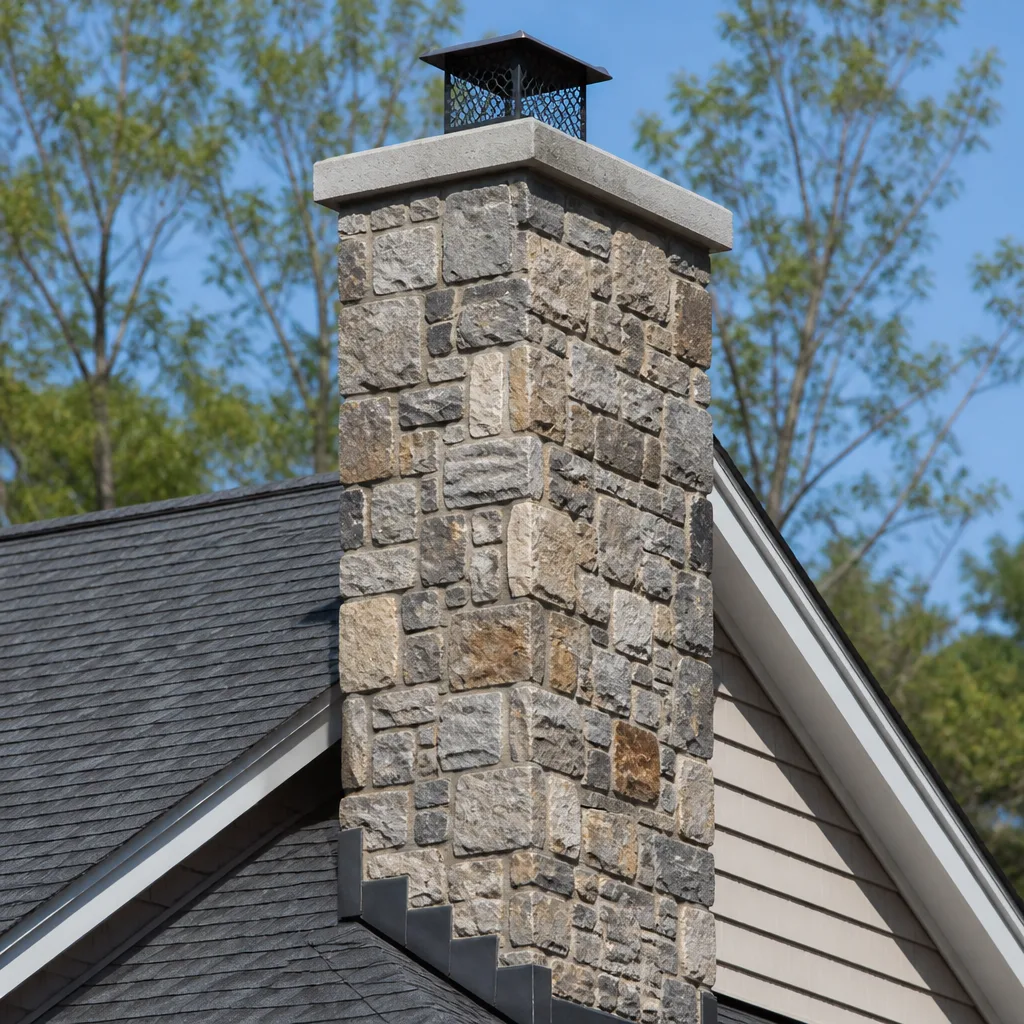 Masonry repair
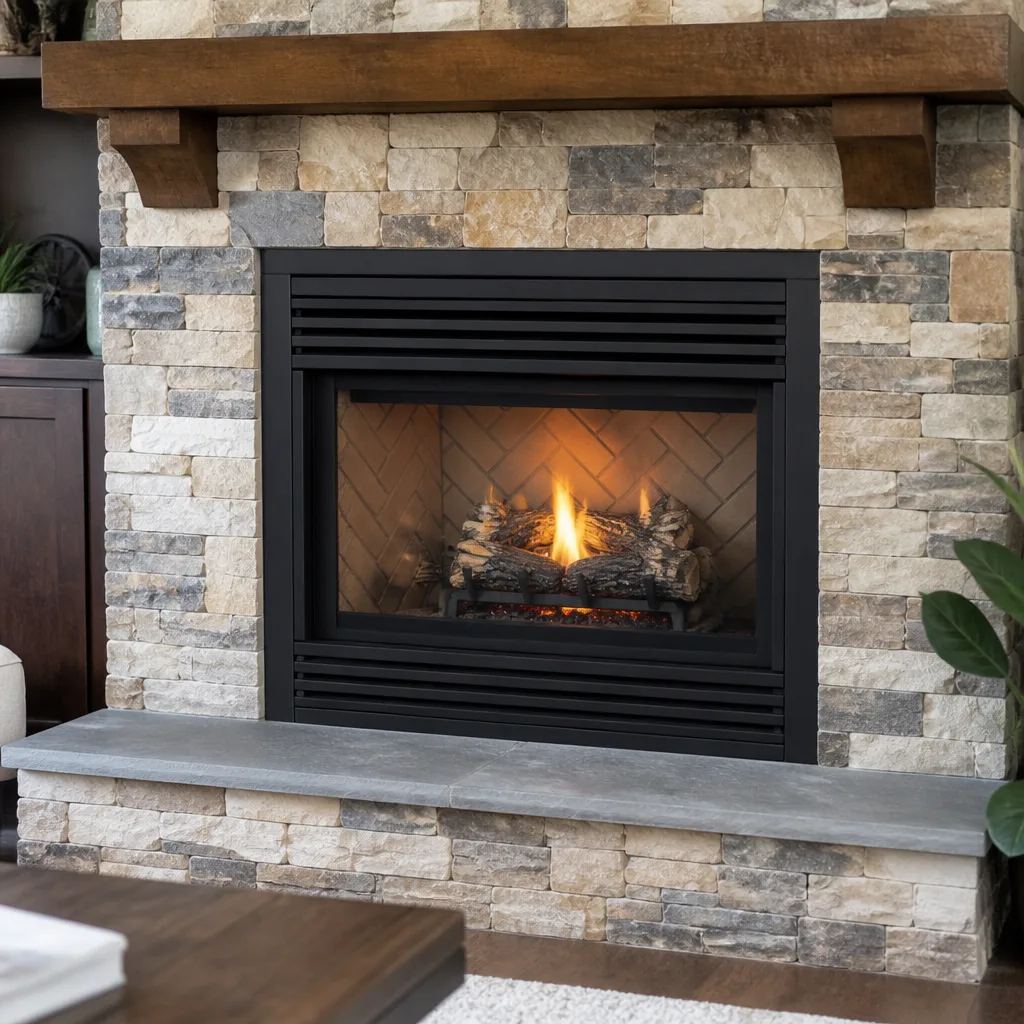 Gas fireplace service
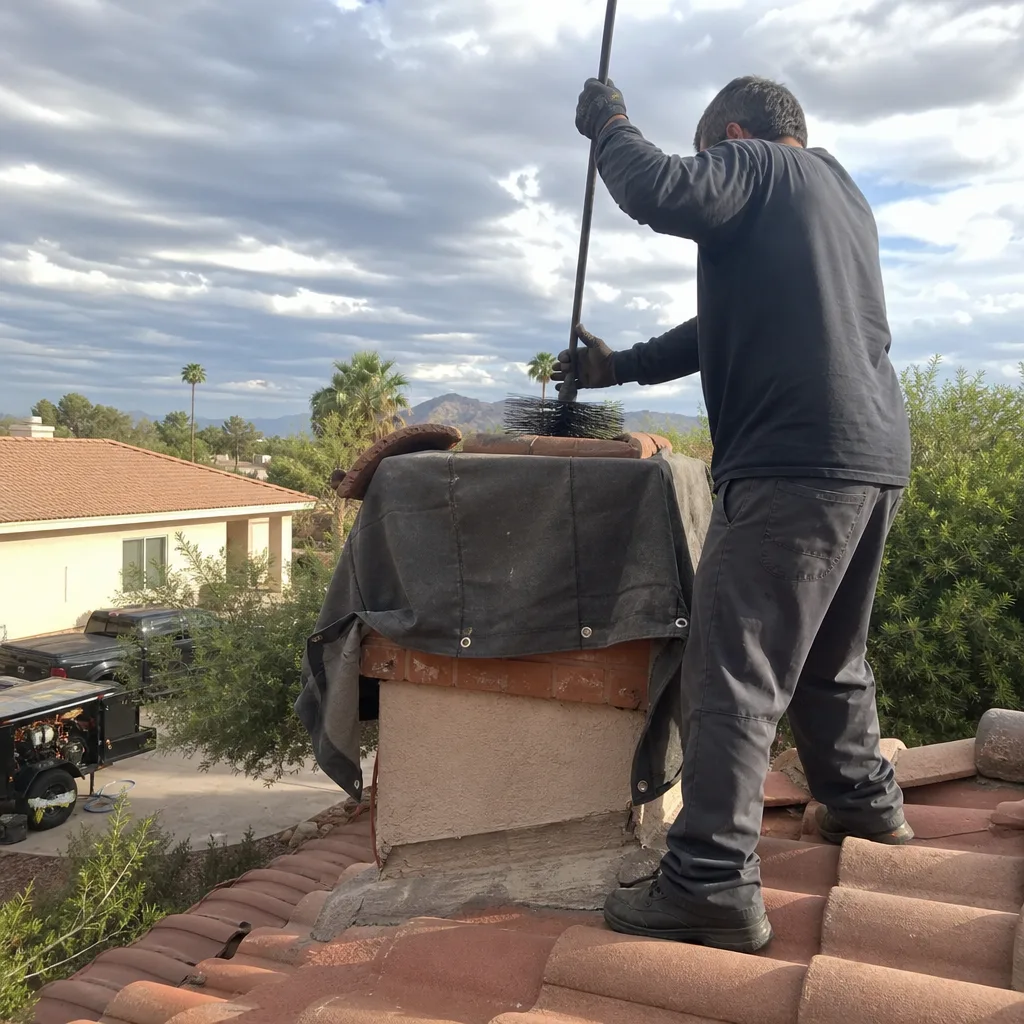
Level 1 sweep and inspection to the NFPA 211 annual standard - flue, crown, cap, and flashing checked and photographed
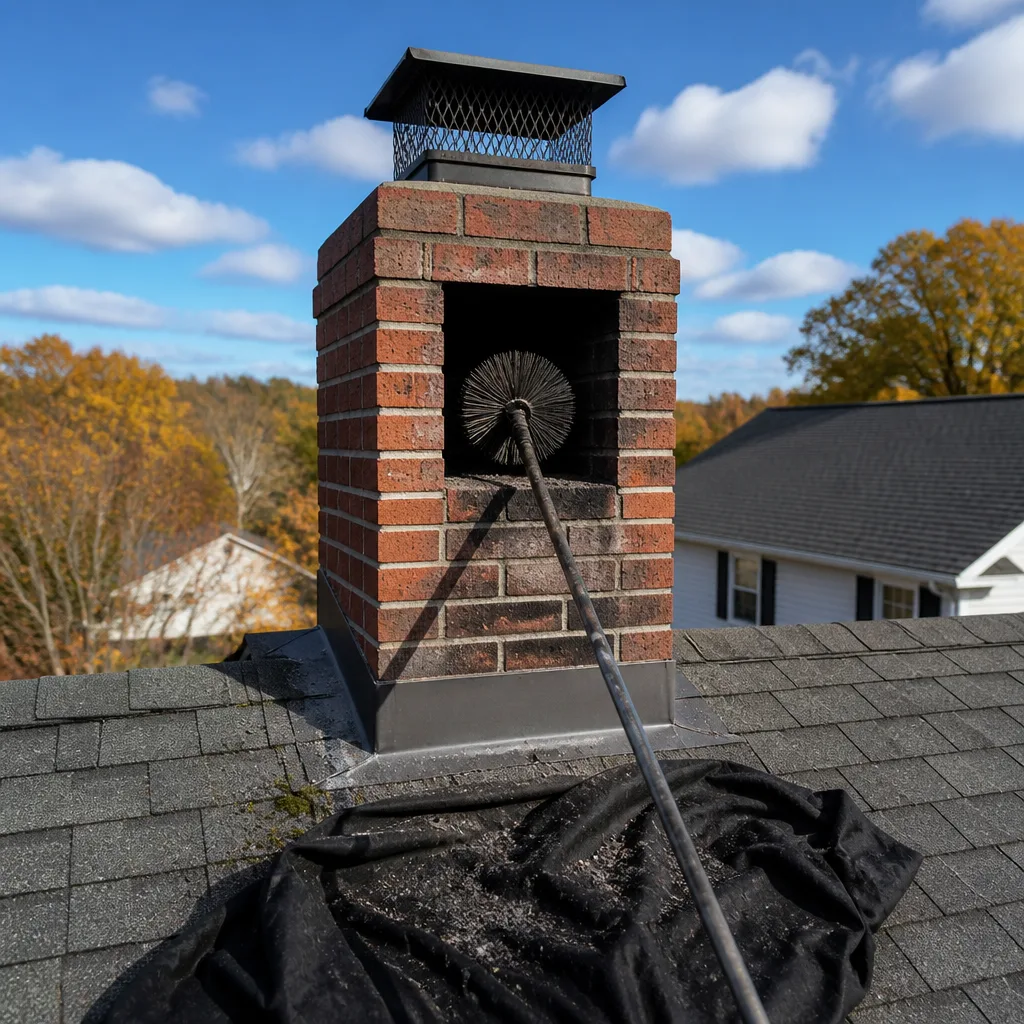
Chimney sweep logs do not sweep chimneys. They loosen some creosote - which then falls where a brush and vacuum still have to collect it.
Chimney Sweep Troubleshooting in Tucson: Common Problems and How to Fix Them
If your fireplace smokes into the room every time the Santa Ana winds pick up, that’s not a broken fireplace. It’s a pressure and airflow problem, and a chimney cap and draft calculation can solve it. Most of what Tucson homeowners describe as “chimney trouble” traces back to venting: air moving the wrong way, a flue that’s the wrong size for the firebox, or a cap that can’t handle a crosswind. This guide walks through each symptom as a diagnostic clue. You’ll learn how to tell a wildlife obstruction from a damper problem, why smoke rollback here is often negative pressure rather than a blockage, and which do-it-yourself checks are useful before you call anyone.
Quick Answer
Most chimney problems in Tucson are venting problems, not fireplace problems. Smoke rollback, slow drafts, and persistent odors usually come from pressure imbalance, a damaged or missing cap, an oversized flue, or an obstruction – and each one has a specific fix. A professional inspection identifies which cause you’re dealing with before any work is recommended, and many of these issues resolve with a cap, a screened top, or a correctly sized liner rather than a rebuild.
Styles & brands we work with
- Sweep & inspection
- Caps & crowns
- Flue relining
- Masonry repair
- Gas fireplace service
Table of Contents
- Why Does My Fireplace Smoke Into the Room?
- How Does Tucson’s Climate Change Creosote Buildup?
- Negative Pressure: The Hidden Cause in Tight Tucson Homes
- Telling a Wildlife Obstruction from a Damaged Damper
- Flat Roofs, Low Pitch, and Wind Downdrafts
- Which Do-It-Yourself Checks Actually Help
- Chasing Chimney Odors in the Off-Season
- Repair or Rebuild: Reading the Evidence
Why Does My Fireplace Smoke Into the Room?
Smoke rollback happens when the firebox pulls harder than the flue can exhaust. In a working chimney, warm exhaust rises up the flue and draws replacement air from the room. When something interrupts that pattern, smoke spills into the living space instead of going up. There are four usual suspects, and they show up in a predictable order.
The first is a flue that’s oversized for the firebox opening. A flue that’s too large never warms up enough to establish a strong upward draft, so the smoke loiters and then rolls out. The second is a blocked flue: a nest, a collapsed tile, or a cap screen packed with debris. The third is negative pressure, where the house is pulling air down the chimney because it’s starved for make-up air. The fourth is wind across the top of the chimney causing a downdraft, which is where a proper cap earns its keep.
Here’s how a professional sorts them out, in order:
- Run a camera down the flue to rule out blockage and check tile condition.
- Measure the firebox opening and the flue’s cross-section to confirm they’re matched.
- Test the house for negative pressure by observing how the fire behaves with a window cracked nearby.
- Inspect the cap and the chimney’s height relative to the roofline and nearby structures.
That sequence matters because it starts with the cheapest explanation to verify and the least expensive fix. In our experience, a lot of Tucson smoke rollback complaints end at step one with a blocked screen or step four with a cap that can’t handle a crosswind, and no one needed a new chimney. If the flue itself is cracked or deteriorating, a correctly sized chimney sweep and relining assessment tells you what’s actually needed. Call (855) 750-1719 to book a sweep with a camera inspection and photo report.
How Does Tucson’s Climate Change Creosote Buildup?
Creosote forms the same way everywhere – unburned wood gases condense on a cool flue surface – but Tucson’s low humidity and high summer heat change how it behaves between burns. The desert air dries creosote into a brittle, flaky glaze faster than humid climates do. That sounds harmless. It isn’t, because brittle creosote is easier to loosen during a hot fire, and loose creosote is what feeds a chimney fire.
The other local wrinkle is the “light use” assumption. A Tucson homeowner who burns a handful of fires each winter often assumes the chimney doesn’t need attention. But a chimney used lightly, with a cool flue and short burns, can accumulate glazed creosote faster per fire than one burned hot and often. Short, cool fires deposit more than long, hot ones. So the number of fires isn’t the measure. The condition of the flue is.
That’s why we recommend inspecting before you judge:
- Stage 1 creosote is soft and sooty – a standard sweep handles it.
- Stage 2 is flaky and harder – it needs a heavier sweep and often a chemical treatment.
- Stage 3 is glazed and tar-like – it’s a fire risk and usually calls for resurfacing rather than brushing alone.
For stage 3, HeatShield ceramic resurfacing restores the flue’s interior surface without a full rebuild, which matters when the chimney’s structure is otherwise sound. This is one of the reasons we handle repair and relining in-house rather than handing you to a second contractor. You get the sweep and, if needed, the fix from the same crew. Call (855) 750-1719 for a free estimate. Winter burns are coming, and a light-use chimney is not automatically a clean one.
Negative Pressure: The Hidden Cause in Tight Tucson Homes
Newer and heavily weatherized homes are sealed tight. That’s good for your energy bill and bad for your chimney, because a fire needs make-up air. When a house can’t draw enough air from outside, it pulls it down the chimney instead, and smoke follows. This is why a fireplace that worked in an older home can smoke in a newer one with the same firewood and the same habits.
In Tucson, this shows up most in homes with modern construction and in rooms with a kitchen exhaust hood, a bath fan, or a clothes dryer running at the same time as the fire. All three pull air out of the house. A chimney is essentially a large hole in the building envelope, so it becomes the path of least resistance for replacement air coming in – from the top down.
You can test the theory yourself before you call anyone:
- Light a small fire and let it establish a draft.
- Crack a window in the same room an inch or two.
- If the smoke stops rolling and the fire brightens, you have a pressure problem, not a blockage.
- Turn off exhaust fans and the dryer and repeat to confirm.
If the window test fixes it, the solution is make-up air: a dedicated vent, an outside air kit for the appliance, or a properly sized chimney cap that reduces wind-induced pressure swings. Those are fixes, not workarounds, and they’re far cheaper than a rebuild someone might sell you for the same symptom. We can confirm the diagnosis with a camera inspection and a draft check. Call (855) 750-1719. We answer 24/7.
Telling a Wildlife Obstruction from a Damaged Damper
A blocked flue and a broken damper can feel the same – the fireplace won’t draw and smoke backs up – but they sound and smell different. Learning to tell them apart before you call anyone saves time and tells the technician what to expect. In Tucson, starlings and pack rats are the usual culprits, and both leave distinct clues.
Listen first. A flue with a bird nest often carries scratching or fluttering sounds, especially in the early morning. A pack rat is heavier and moves with a rustle you can hear through the firebox. A damaged damper, by contrast, is silent. You may hear metal scraping when you work the handle, or the handle may move without resistance, which means the damper plate has come off its pivot or rusted through.
Then smell. A wildlife obstruction carries a musty, ammonia-like odor, strongest in warm weather when the nest bakes. A damaged damper usually has no smell, or a faint metallic one. If you smell smoke in the room with no fire burning, that points to a pressure problem or a partially open damper rather than an animal.
What not to do: don’t drop a lit flare or a smoke bomb down the flue to “test” it, and don’t try to reach in and pull a nest out by hand. Both risk starting a fire in the creosote above the obstruction or injuring you on a sharp flue edge. A camera inspection identifies the obstruction and its exact location. Removing it safely and checking the flue for damage afterward is the right sequence. Call (855) 750-1719 to schedule an inspection.
Flat Roofs, Low Pitch, and Wind Downdrafts
Tucson has a lot of flat-roof and low-pitch roof homes, and those roofs create draft problems that steep-roof houses don’t. On a steep roof, wind tends to slide over the ridge. On a flat or low-pitch roof, wind hits the chimney from a wide range of angles and can pour over the top instead of passing it. That’s a downdraft, and it pushes smoke back down the flue.
The fix usually comes down to two things: chimney height and cap design. A chimney needs to terminate high enough above the roof surface and any nearby structure that the wind breaking over them doesn’t create a pressure zone at the flue outlet. The general rule in the trade is that a flue should clear the roof line and anything within a set distance of it, but the exact numbers depend on your roof and the appliance. We don’t guess – we measure on site.
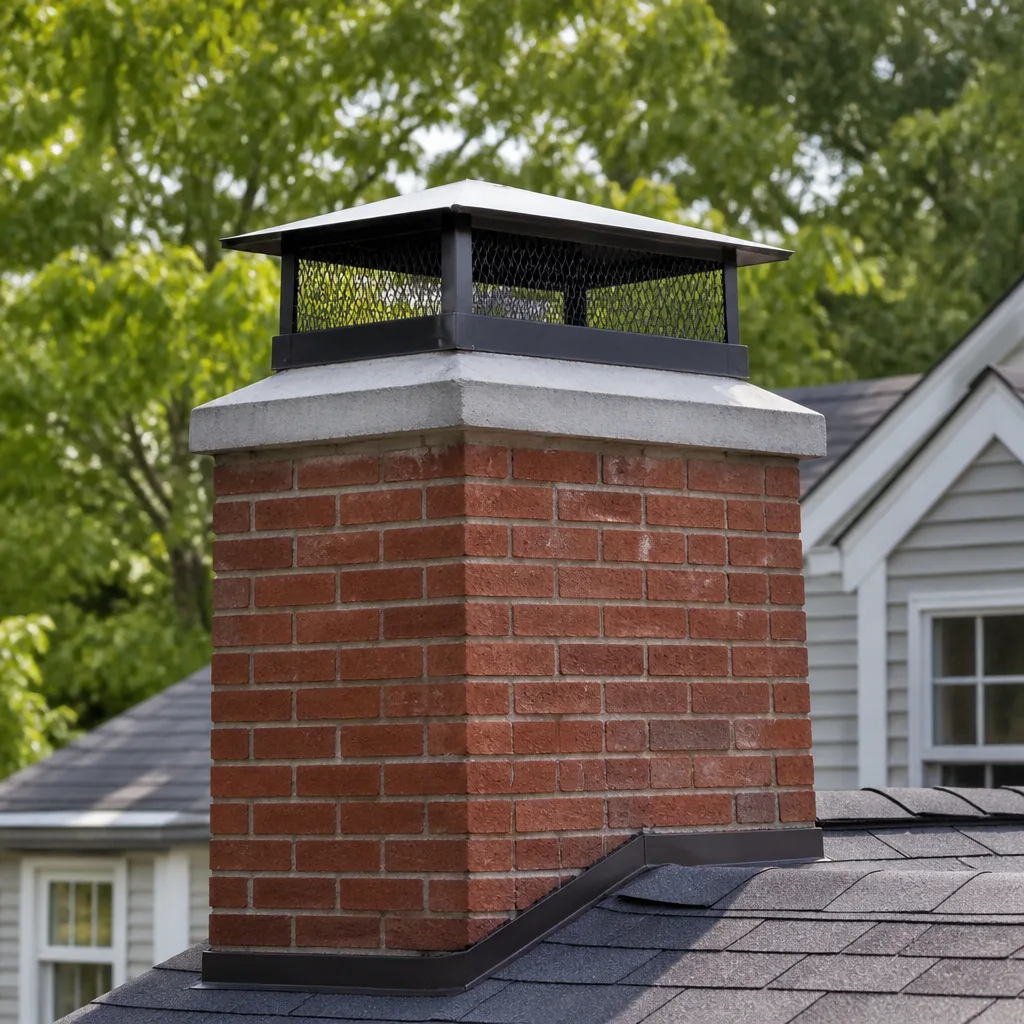
Cap selection matters too. A basic flat cap blocks rain but does nothing for crosswind. A properly designed cap with a screened cage breaks up the airflow before it reaches the flue opening, which is what stops wind-induced downdrafts. We stock and install caps from brands like Gelco and Olympia Chimney – professional-grade materials, not whatever ships from a warehouse – because the difference between a cap that works and one that doesn’t is in the design, not the price tag.
If your fireplace only smokes on windy days, that pattern alone tells you it’s a wind problem and not a blockage. Call (855) 750-1719 for a free estimate on a cap or height correction.
Which Do-It-Yourself Checks Actually Help
Some checks are useful, and some make the problem worse. Knowing the difference keeps you safe and keeps a small issue from becoming an expensive one. Here’s the honest split.
Checks that help:
- The window test. Crack a window during a fire and see if the smoke clears. It isolates a pressure problem from a blockage.
- The flashlight look. Shine a light up the flue from the firebox with the damper open. You can see a nest, a fallen tile, or heavy soot build-up without touching anything.
- The draft test. Hold a lit match or a piece of smoldering incense near the open damper. If the smoke rises straight up, the draft is working. If it curls back into the room, it isn’t.
- The cap check from the ground. Use binoculars to see if the cap is present, intact, and free of debris or nests.
Checks that backfire: burning a hot fire to “burn off” glazed creosote (this is what starts chimney fires), spraying water down the flue (which can crack tiles), and closing the damper tight to keep animals out without a proper cap on top (which just traps moisture and odor).
Those three “fixes” are the ones we see cause the most avoidable damage. If you’ve tried any of them and something changed, that’s the moment to stop and call. For the full picture, our guide to professional Tucson Chimney Sweep work explains what a proper inspection covers. Call (855) 750-1719 for a free estimate.
Chasing Chimney Odors in the Off-Season
Chimney odor in the summer is common in Tucson and rarely a sign of active damage. It’s usually creosote and soot reacting to heat and humidity swings in the off-season, or a downdraft pushing stale air down the flue. The smell is strongest on hot days and after rain, when the flue is cooler than the outside air.
The cause and the fix follow a pattern:
- Creosote odor. A standard sweep removes the buildup causing it, and the smell goes with it.
- Downdraft odor. A cap design that handles crosswind and a height correction solve it.
- Moisture odor. Trapped humidity in masonry points to a missing cap or a failed crown seal.
- Wildlife odor. Nests baking in the heat – the inspection identifies and removes them.
What you shouldn’t do is mask the smell with air fresheners or block the flue to stop it. Blocking the flue traps the odor and any moisture, and it’s a fire risk if someone lights a fire later without noticing. The fix starts with identifying the source. Call (855) 750-1719 for a free estimate and a camera inspection. We handle the repair, not just the report.
Repair or Rebuild: Reading the Evidence
Not every damaged chimney needs a rebuild, and the honest answer comes from evidence, not a sales pitch. A rebuild is warranted when the structural masonry is failing – cracked bricks spread through the stack, a crown that’s crumbling, or a flue tile that’s broken in more than one place. When the structure is sound but the flue’s interior is deteriorating, resurfacing or relining is the right call, and it costs far less.
Here’s the key distinction, in plain terms:
- Resurface the flue when the mortar joints in the flue tile are eroded or the surface is glazed, but the chimney structure is intact. HeatShield ceramic resurfacing rebuilds the interior to a smooth, sealed surface.
- Reline when the original tile is cracked or the flue is the wrong size for the appliance. A flexible liner restores both the seal and the draft.
- Rebuild when the masonry itself is failing – brick, mortar, or crown – and resurfacing alone won’t fix it.
We stock and install DuraFlex liners for relining, and we use HeatShield for resurfacing. We also work with Famco and Copperfield components where they fit the job, all professional supply lines specified by certified chimney professionals. Repair and relining are handled in-house, so you’re not handed off mid-project. But the first step is always the evidence: a camera inspection and photo report you can see for yourself, so you can verify what’s actually wrong before you spend anything. Call (855) 750-1719 for a free estimate.
Common Mistakes to Avoid
- Burning hot fires to clear glazed creosote. That’s exactly how chimney fires start. Glazed creosote needs a professional treatment, not more heat.
- Assuming light use means a clean chimney. In Tucson’s dry climate, short cool fires deposit more creosote per fire than long hot ones. Judge the flue, not the fire count.
- Blocking the flue to keep animals out. Without a proper cap, blocking the flue traps moisture and odor and creates a fire risk later. A screened cap does the job correctly.
- Ignoring a cap that’s missing or bent. A failed cap is behind a lot of wind-induced downdrafts on Tucson’s flat-roof homes. It’s a small fix that prevents a big one.
- Skipping the dryer vent because the chimney got the attention. Lint buildup is the other leading household fire hazard, and it’s serviced the same safety-first way. dryer vent cleaning is part of the same call.
- Trusting an inspection that recommends work with no camera evidence. You should see the flue on camera before anyone recommends thousands of dollars of liner or masonry work. Insist on it.
See the difference
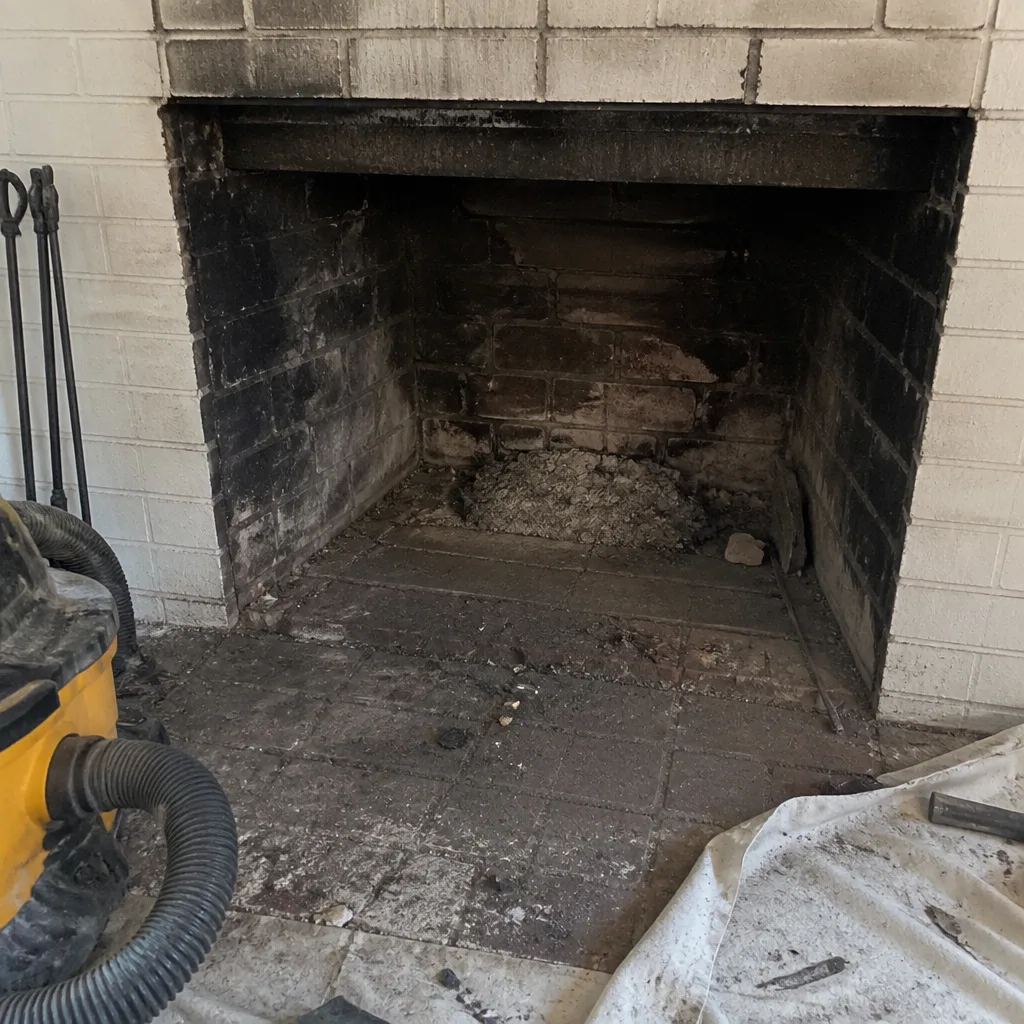 Before
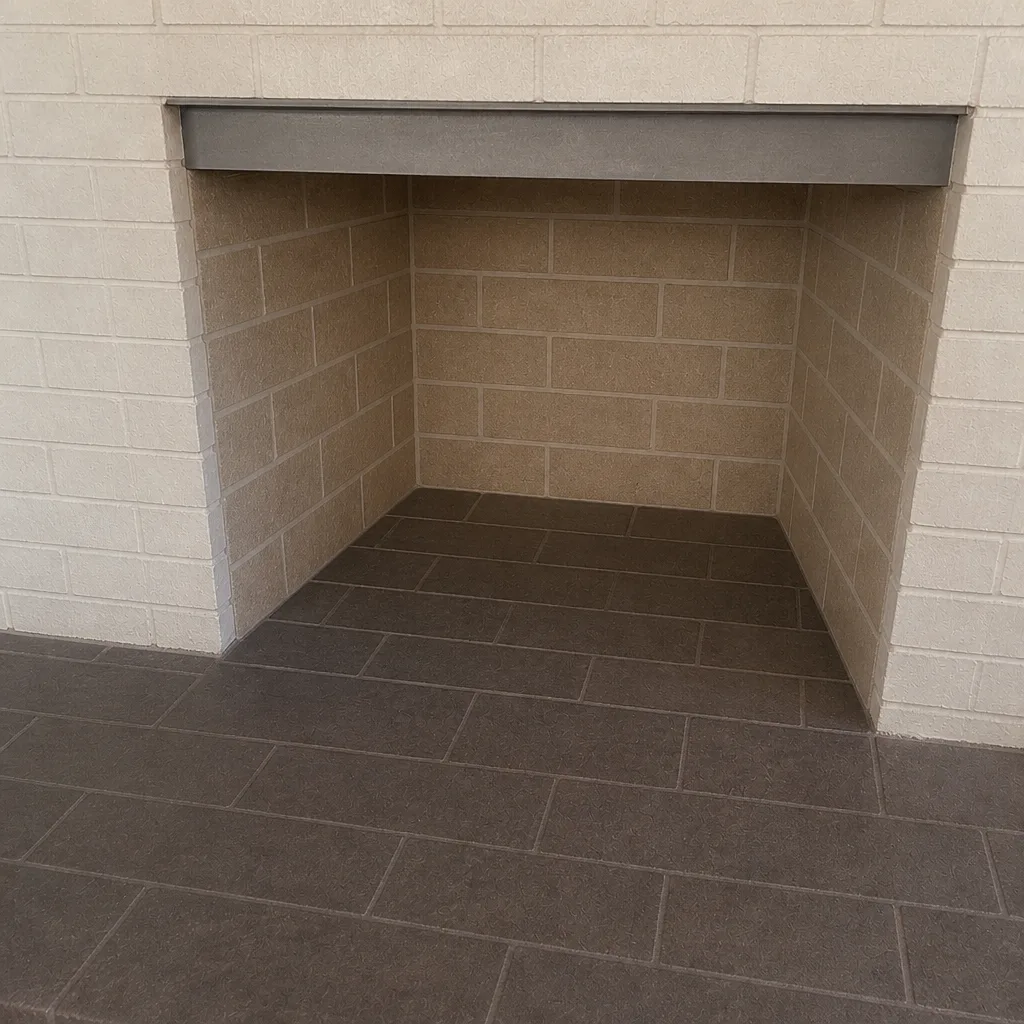 After
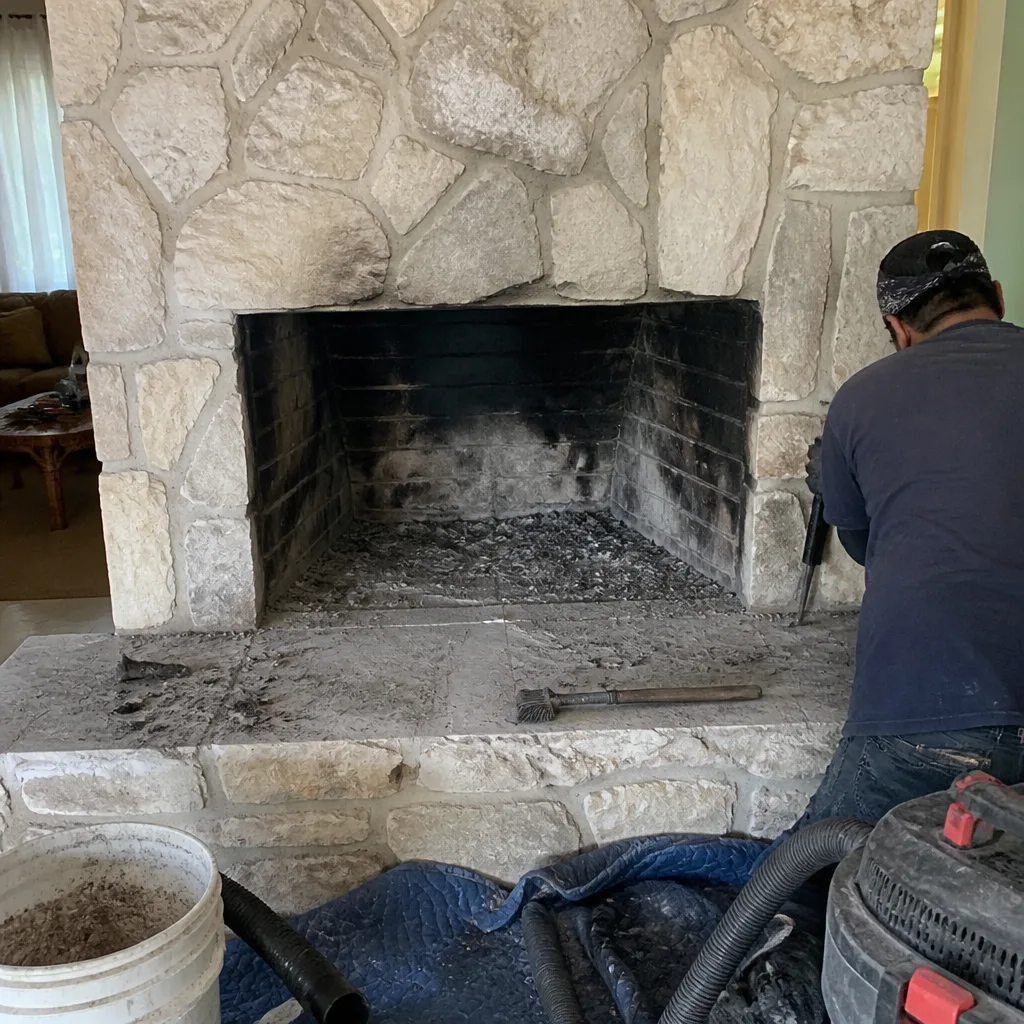 Before
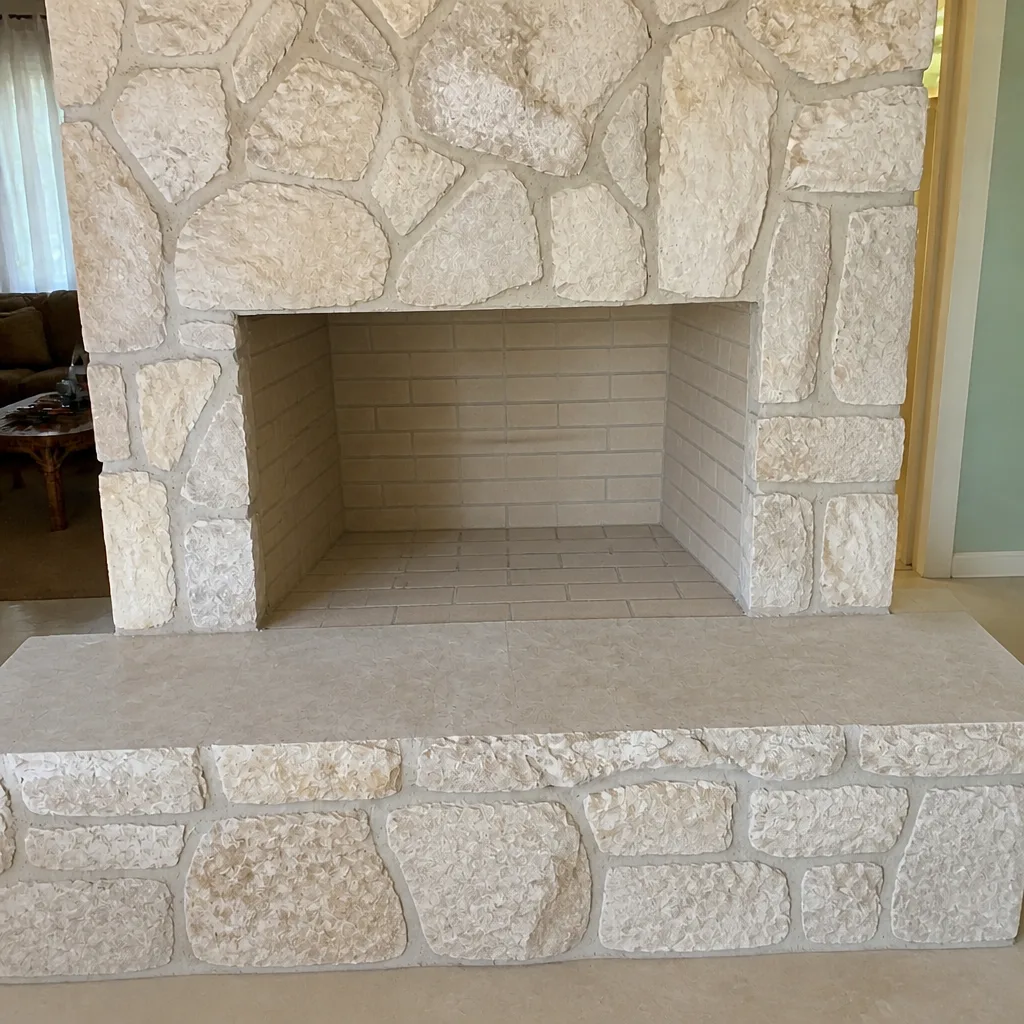 After
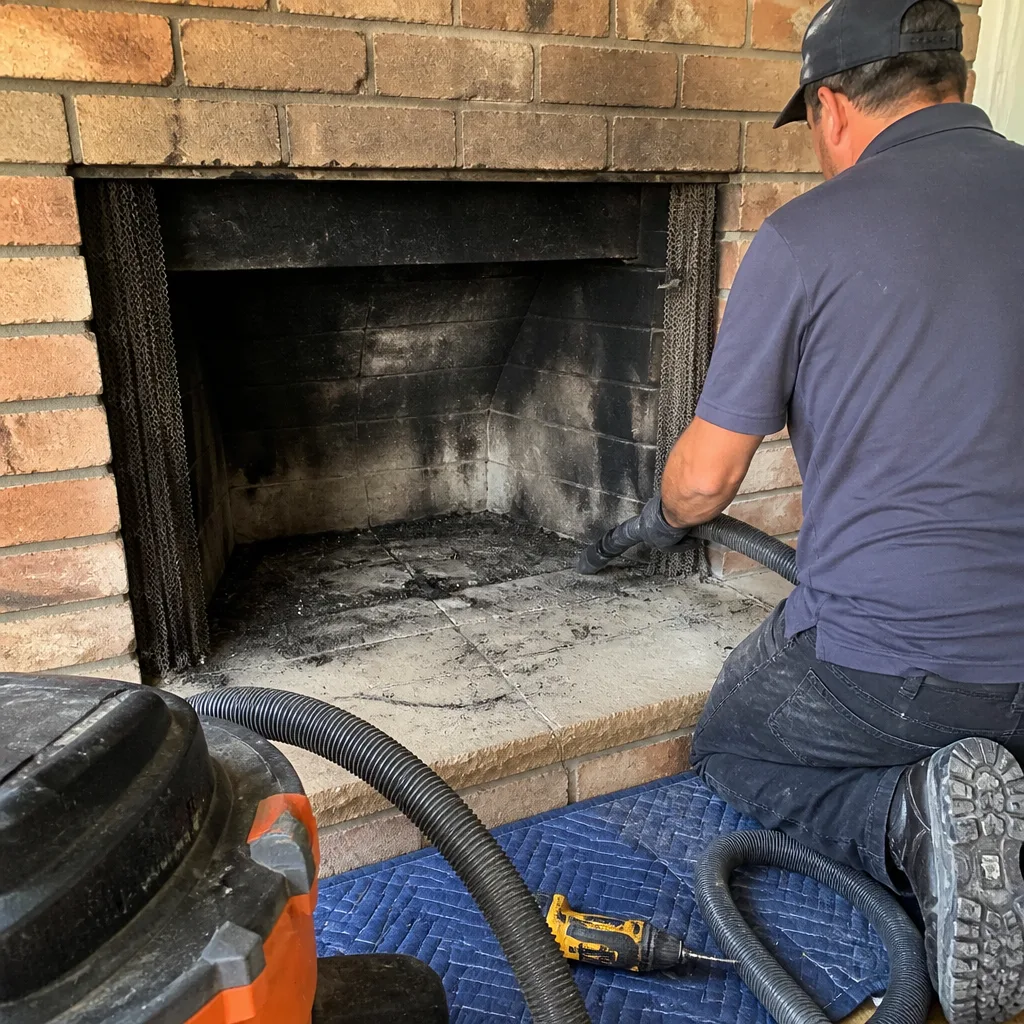 Before
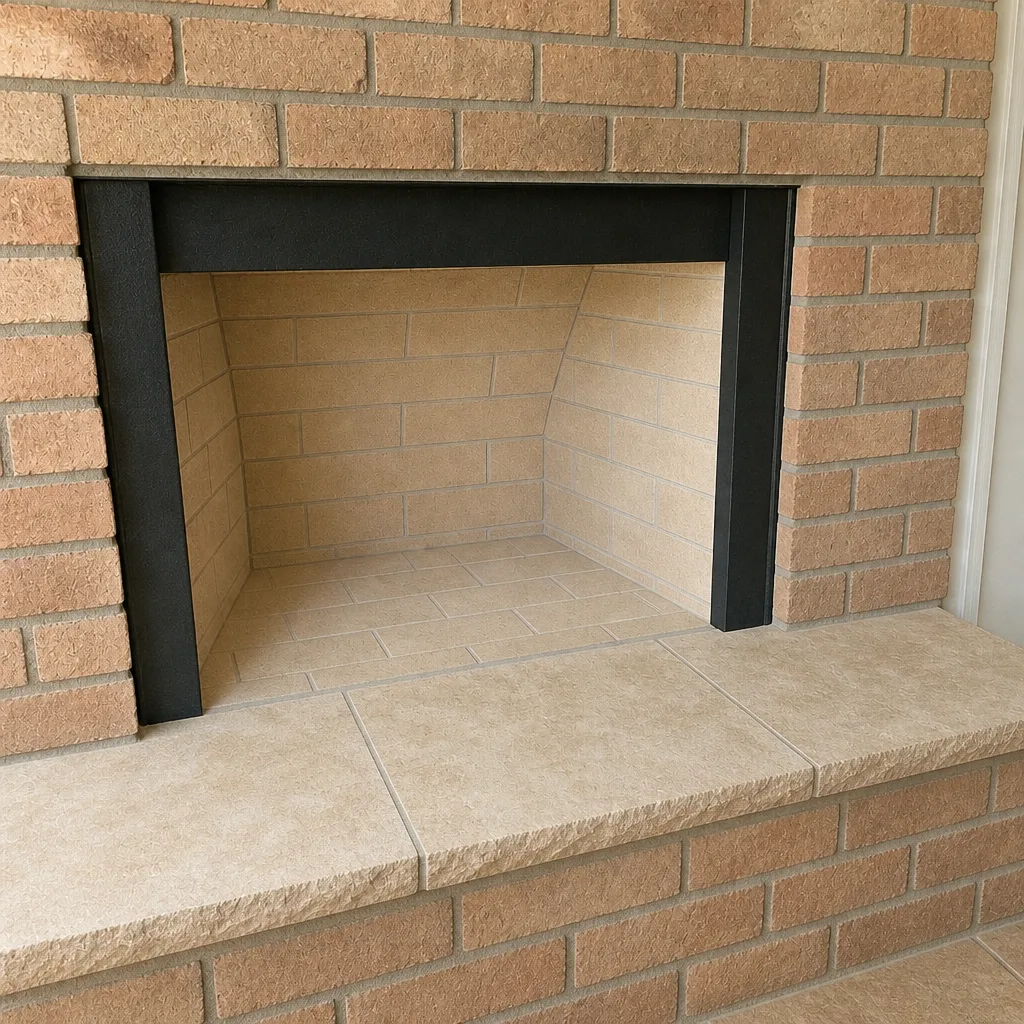 After
When to Call a Professional
Call a professional when smoke rolls into the room on more than one occasion, when you notice a strong creosote or wildlife odor in warm weather, when you see cracked or crumbling masonry from the ground, or when the damper handle moves with no resistance. Those are the signals a camera inspection resolves quickly. Stop burning and call if you ever hear a low roaring sound from the flue or see sparks at the top – those point to a chimney fire and deserve an immediate stop and inspection. Don’t attempt to reach a nest by hand or test the flue with a flame. Tucson Chimney Sweep is a dedicated chimney and venting specialist serving Tucson and the surrounding area. We handle the sweep, the repair, and the relining in-house. Tucson Chimney Sweep offers free estimates in Tucson – call (855) 750-1719.
Frequently Asked Questions
Wind-induced downdrafts are the cause, not a blockage. When wind breaks over a flat or low-pitch roof, it can pour down the chimney and push smoke into the room. A cap designed to handle crosswind and a chimney height correction usually solve it. Call (855) 750-1719 for a free estimate.
Listen and smell. A bird or pack rat produces scratching sounds, especially in early morning, and a musty, ammonia-like odor that’s strongest in warm weather. A damaged damper is silent with no smell. A camera inspection confirms the obstruction and its location safely. Call (855) 750-1719 to schedule an inspection.
No, and dry heat can make it worse. Low humidity dries creosote into a brittle glaze that’s easier to loosen during a hot fire, so light use in a dry climate isn’t automatically a clean flue. The flue’s condition decides, not the number of fires. Call (855) 750-1719 for a sweep and inspection.
Usually not damage, but it’s worth identifying. Summer chimney odor in Tucson is typically creosote reacting to heat, a downdraft pushing stale air down, or a nest baking in the heat. Each has a different fix. Don’t mask it with air fresheners or block the flue. Call (855) 750-1719 for a free estimate.
Yes, when the chimney structure is sound but the flue’s interior is failing. HeatShield ceramic resurfacing restores a smooth, sealed interior, which is far less expensive than a rebuild. A rebuild is warranted only when the masonry itself is failing. Camera evidence tells you which applies. Call (855) 750-1719 for a free estimate.
Yes. Repair and relining are handled in-house, not subcontracted, using professional-grade materials like DuraFlex liners and HeatShield resurfacing. You deal with one point of contact from inspection through repair. Call (855) 750-1719. We answer 24/7. Fast dispatch from 7am to 7pm, Sunday through Friday.
The Bottom Line
Most chimney problems in Tucson are venting problems with specific, fixable causes. Smoke rollback usually traces to negative pressure, an oversized flue, or a cap that can’t handle wind. Odors come from creosote, downdrafts, or nests, each with its own fix. Dry desert heat makes creosote brittle and light use deceptive, so the flue’s condition matters more than the number of fires. The through-line: start with the cheapest thing to check, get camera evidence before anyone recommends a rebuild, and let a specialist handle the one system in your home that vents combustion gases. Call (855) 750-1719 for a free estimate.
Written by the team at Tucson Chimney Sweep, serving Tucson since 2018.