
Last updated November 14, 2026
 Sweep & inspection
 Caps & crowns
 Flue relining
 Masonry repair
 Gas fireplace service
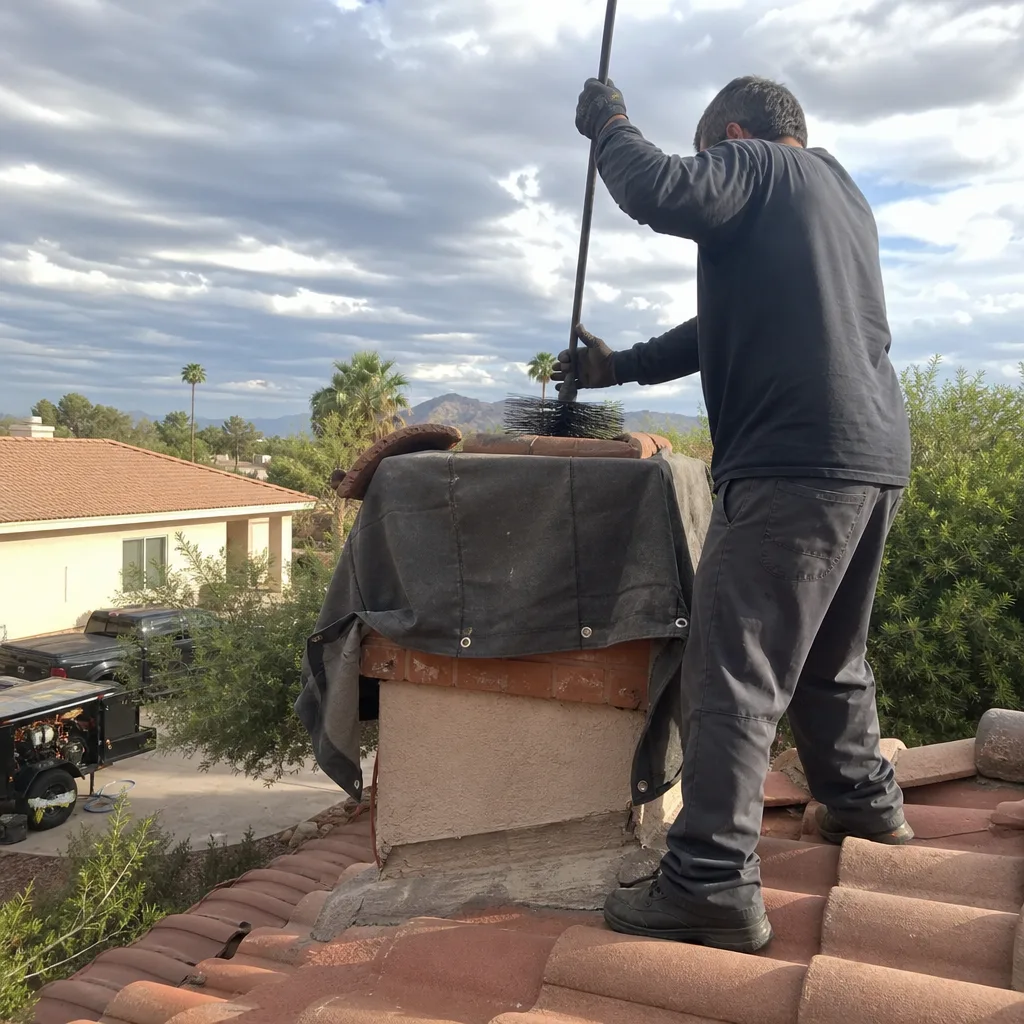
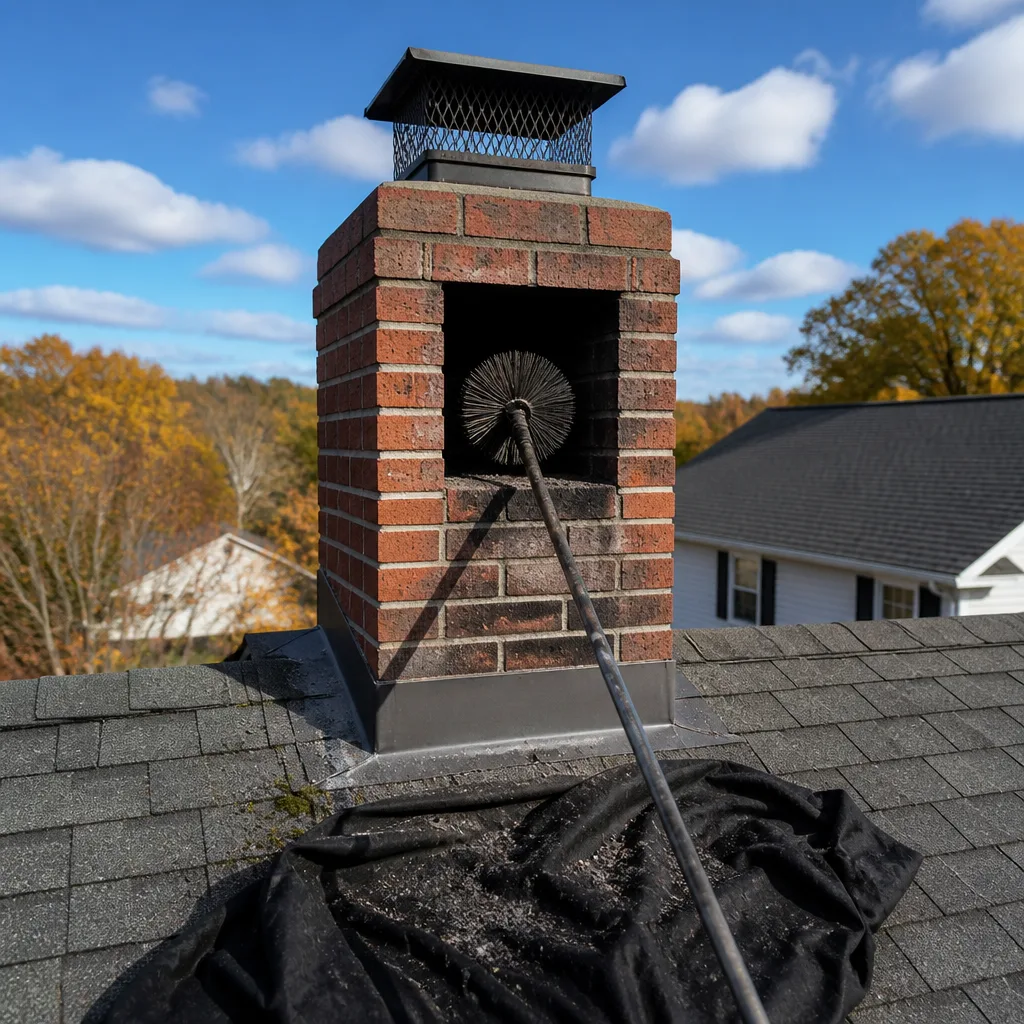
Level 1 sweep and inspection to the NFPA 211 annual standard - flue, crown, cap, and flashing checked and photographed
Chimney sweep logs do not sweep chimneys. They loosen some creosote - which then falls where a brush and vacuum still have to collect it.
Chimney Sweep Maintenance Checklist for Tucson Homeowners
The most expensive chimney repairs in Tucson aren’t caused by heavy use. They’re caused by eight months of quiet neglect between the last fire in February and the first inspection call in October, when the damage has already set. Desert chimneys live a strange life: creosote bakes hard in the dry heat, monsoon rain finds every crack in the crown, and wildlife treats an open flue like a rent-free studio. What follows is a month-by-month framework for acting on what you notice, not just noticing it. You’ll get the safe checks you can do from the ground, the ones that need a camera, and a logging habit that saves you from starting at zero every autumn in Tucson.
Styles & brands we work with
- Sweep & inspection
- Caps & crowns
- Flue relining
- Masonry repair
- Gas fireplace service
Quick Answer
A working chimney maintenance routine in Tucson has four phases: a post-season sweep and inspection in March, light monthly monitoring from April through July, a post-monsoon assessment in August and September, and pre-season preparation in October and November. Ground-level visual checks you can do yourself belong in every month. A professional sweep and camera inspection once a year, plus a dryer vent cleaning on its own schedule, covers what you can’t safely see.
Table of Contents
- Why a Calendar Beats a Checklist
- Phase One: Post-Season Closeout (March)
- Phase Two: Off-Season Monitoring (April through July)
- Phase Three: Post-Monsoon Assessment (August and September)
- Phase Four: Pre-Season Prep (October and November)
- What You Can Safely Check From the Ground
- Documenting Your Chimney Year Over Year
- Cap, Screen, and Damper Checks
- What to Log After Every Professional Sweep
- Common Mistakes to Avoid
- When to Call a Professional
- Frequently Asked Questions
- The Bottom Line
Why a Calendar Beats a Checklist
A checklist tells you what to look at. A calendar tells you when. Those are different problems, and most homeowners solve the wrong one. They buy a printable list, tape it inside a cabinet, and read it sometime in November when the first cold front pushes through. By then the chimney has survived eight dry months without anyone looking at it, and any damage the monsoon season delivered has had two months to settle in.
Tucson makes this worse in a particular way. Our fire season is short and concentrated. Most households burn from December through February, not the five or six months a colder climate expects. That leaves a long gap where the chimney sits idle and unwatched. Creosote left in the flue through the dry months hardens more with each heat cycle, and by the time you’re ready to light the first fire, removing it takes more work than if it had been swept in March.
The calendar approach fixes that gap. It spreads the work across four phases, each matched to what the weather is actually doing here:
- March: close out the burn season while the evidence is fresh.
- April through July: watch, photograph, and stay ahead of wildlife and dust.
- August and September: assess what monsoon storms did to the exterior.
- October and November: prepare and inspect before the first fire.
You don’t need to be handy to run this. You need to look at the right things at the right times and write down what you see. Everything below fits inside that frame, and where a task genuinely requires a trained professional, we say so plainly rather than dressing it up as a weekend project.
Phase One: Post-Season Closeout (March)
March is the single most useful month in the Tucson chimney year. The season just ended, deposits are still soft enough to sweep cleanly, and any problem that showed up in the last few fires is still identifiable. Waiting until autumn means the creosote has cured harder and the trail has gone cold.
Here’s the order we suggest:
- Book the sweep and inspection early in the month. Spring fills up, and a March slot leaves you a clear run at repairs before the summer heat makes exterior work less pleasant.
- Note how the season actually went. Write down roughly how many fires you had, whether the draft ever felt weak, whether smoke rolled into the room on startup, and whether you noticed any odor when the chimney wasn’t in use. These notes mean more than they seem and give your sweep useful context.
- Ask for a camera inspection, not just a sweep. The brush cleans the flue. The camera shows you the inside of it, including the joints, the smoke chamber, and the top of the liner where damage often starts. A sweep without a look inside is half the job.
- Get the report in writing, with photos. Anything recommended should come with a picture of the problem. If someone tells you the liner needs replacing and can’t show you why, that’s not a diagnosis. That’s a sales pitch.
One thing we hear often: “It’s spring, I don’t need a sweep until fall.” That logic works for a chimney used year-round. In Tucson, the chimney sits empty for eight months, and those months are exactly when a clean flue matters most, because there’s no fire to dry out whatever moisture finds its way in.
If you’ve never had a full inspection, our chimney sweep service includes the camera check and a photo report so you know the actual condition of your flue, not a guess.
Phase Two: Off-Season Monitoring (April through July)
This is the phase almost nobody does, and it’s the one that pays off. The chimney isn’t in use, so it feels like nothing can go wrong. In practice, these four months are when wildlife moves in, dust and debris collects, and monsoon prep begins.
Set a reminder for the first of each month and spend ten minutes on these:
- Look at the cap and spark screen. From the ground with binoculars is fine. A missing or bent screen is an open door for birds and other animals looking for a dry place to nest.
- Check the firebox for debris. Skip the nest if you see one. Animals that nest in a chimney can carry disease, and removing them safely takes proper equipment. Call a professional.
- Smell the chimney on a still day. A sour or smoky odor when there’s no fire can indicate moisture in the flue or a draft problem. Note it for your next inspection.
- Look at the exterior for new cracks. Binoculars from the yard. Pay attention to the crown at the top and the mortar joints between the bricks. Small cracks that appear in spring tend to grow through the summer.
- Photograph everything. Same angles, same time of day, every month. More on why below.
April through June in Tucson is dry and hot, and that dryness is hard on masonry. Mortar that’s sound in March can show hairline cracks by June simply from thermal cycling. Those cracks are cheap to seal in the off-season and expensive to ignore once the rains arrive. We’ve seen plenty of chimneys where a cracked crown that could have been resurfaced in May needed a full rebuild by October because water had been getting in all summer.
July usually brings the first hints of the monsoon pattern. Before the heavy rain starts is the time to make sure the crown and flashing are sound, not after the first storm has already found the weak spot. If you’re not sure how to read what you’re seeing from the ground, a brief inspection now is cheaper than a masonry repair later.
Phase Three: Post-Monsoon Assessment (August and September)
Monsoon season is the annual stress test for every chimney in Tucson. Driving rain, wind-driven moisture, and temperature swings that would take a decade to add up in a wetter climate happen here in a few weeks. August and September are when you find out what survived.
What we look for after the rains:
- Water stains inside the firebox or on the chimney breast. Rust-colored streaks, white mineral deposits, or dark patches on interior masonry all point to water getting past the crown, the flashing, or the mortar.
- Damper rust. A damper that opens stiffly or shows rust is a sign moisture reached the smoke chamber. Left alone, it can seize shut.
- New cracks or spalling on the exterior. Spalling is when the face of a brick flakes off. It’s a moisture symptom, and in a desert climate it usually traces back to a chimney that got and stayed wet during the monsoon.
- Debris in the firebox. Wind-blown material, twigs, and the occasional surprise are common after a storm. Clear it, then figure out how it got in and fix that.
- Cap damage. Hail is uncommon here, but wind-driven debris can still knock a cap loose. A cap that’s shifted out of place needs to be reset before it lets water in.
If you notice any of the above, get a professional inspection before you use the fireplace. Water damage often runs deeper than what you can see from the firebox floor, and a camera inspection reveals whether moisture has reached the flue liner itself.
This is also the phase where repairs can happen on their own schedule. Get the assessment done in late August or early September and you have weeks to handle anything that needs fixing before the burn season starts. Wait until the first cold snap in November and you’re competing for scheduling slots with everyone else who just noticed their chimney has a problem.
Phase Four: Pre-Season Prep (October and November)
October and November are the final checkpoint before the first fire. If you did March and August properly, this phase is mostly confirmation and a bit of light housekeeping. If you didn’t, this is your last chance to catch problems before they matter.
The pre-season routine:
- Confirm the chimney is clean and the flue is clear. If you haven’t had a sweep since March, get one now. Burning in a flue with last season’s creosote is a fire risk, not a shortcut.
- Test the damper. Open and close it several times. It should move smoothly and fully open and close with the handle. A damper that sticks halfway is a draft problem waiting to happen.
- Check the cap is secure. From the ground. If it looks loose or tilted, get it looked at before the first fire draws any animal nesting material down into the smoke chamber.
- Do a draft test. Light a small amount of paper in the firebox and watch the smoke. If it rises steadily up the flue, you’re good. If it rolls back into the room, stop and call a professional before burning anything larger.
- Stock your firewood correctly. Seasoned wood only. Wood that hasn’t dried properly produces more creosote and less heat. Store it covered and away from the chimney’s exterior.
- Test your smoke and carbon monoxide detectors. Fresh batteries, and check the expiration date printed on the back. These are not optional in a house with a working fireplace.
One detail that matters in Tucson specifically: our winter nights get cold enough to need the fire, but our days warm up fast. That means a lot of short, hot burns followed by long idle periods. Short hot fires produce less creosote than long smoldering ones, so run the fire properly and don’t try to keep it smoldering overnight. Let it burn down and relight in the morning.
If it’s been more than a year since your last professional look, schedule that before you light a fire. Book a Tucson Chimney Sweep visit as your first October task.
What You Can Safely Check From the Ground
There’s a clear line between what a homeowner can safely check and what requires someone trained for it. The line is defined by two things: safety of access, and ability to actually see the problem. Anything from ground level is fair game. Anything involving a ladder, a roof, or an open flue is not.
Safe to check from the ground
- The chimney cap and spark screen (binoculars help)
- Exterior masonry condition, including mortar joints and cracks
- The crown at the top of the chimney (from a distance, look for cracks and missing chunks)
- Flashing at the roofline, if visible from the yard
- The firebox interior, with a flashlight, from a kneeling position
- The damper operation with the handle
- Interior smoke stain patterns on the chimney breast
NOT safe to check yourself
- The inside of the flue, above the smoke chamber
- The top of the chimney on the roof
- The liner joints
- The smoke chamber and its connection to the flue
- Anything involving a ladder against or near the chimney
- Removing an animal nest or an active bird from the chimney
The rule is simple: if it needs a camera, a ladder, or a sweep’s tools, it needs a professional. The interior of a flue is dark, and the damage that matters most, such as a cracked liner joint or a failing flue tile, is entirely invisible from the firebox floor. That’s why camera inspection is part of every sweep we do. The exterior checks catch a lot, but they don’t catch what’s inside.
Documenting Your Chimney Year Over Year
Here’s the difference between a homeowner who gets honest answers and one who gets talked into unnecessary work: a photo baseline. If you have last year’s photos of your chimney’s exterior, you can look at this year’s and see exactly what changed. If you have nothing, you’re relying entirely on what someone tells you.
The system that works:
- Pick five fixed camera positions. Same spot, same angle, same time of day. One from each side of the house, at least one from the street, one from the yard looking at the crown. Mark the spots on the ground with tape or a landscaping stone if it helps.
- Take the photo set four times a year. After each phase: March, July, September, and November. Same order, same five shots.
- Name the files by date. “Chimney-2026-03-01” is searchable. “IMG_4421” is not.
- Add the camera report after every professional sweep. Every sweep should produce photos and a written summary. Keep them with your own photo set. Now you have an interior record and an exterior record that line up over time.
- Keep a one-page log. Date, whether the sweep came, what they found, what (if anything) was recommended. Age of the chimney. Any repairs done and by whom.
Why this matters in a real conversation: when a contractor tells you the crown needs rebuilding, you open your photos from last year and the year before and see whether it’s true. In our experience, the homeowners who keep a photo log end up spending less, not more, because they can tell real change from a sales pitch. We like working with those homeowners. The transparency goes both ways.
If you’re starting from zero, take the first photo set this month. It’s fifteen minutes of work and it establishes your baseline. Nothing else in this guide takes less effort or gives more back.
Cap, Screen, and Damper Checks
Wildlife entry is the most underrated chimney problem in Tucson. Spring and early summer are when birds and small animals look for a dry place to nest, and an uncapped flue is exactly what they’re looking for. Once a nest is in, the problems compound: blocked flue, draft failure, and a fire risk from burning material. Worse, many species and nests are protected, and removing them can’t be done carelessly.
The fix is prevention, and prevention is much cheaper than removal.
What to check
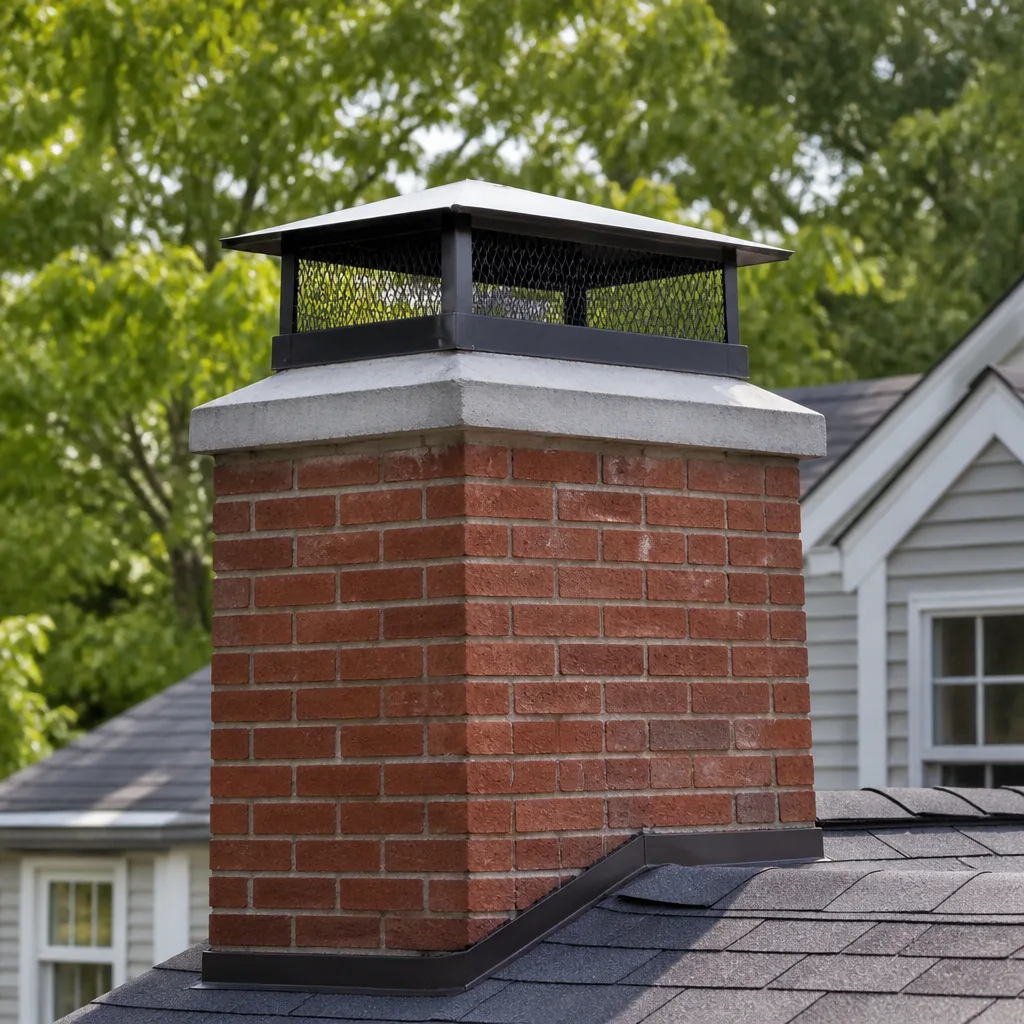
- Cap present and secure. A proper cap covers the flue opening and allows smoke out while keeping animals and rain out. It should sit flush and not be tilted or loose.
- Spark screen intact. No holes, no missing sections, no large gaps at the edges. Note that screens also stop hot embers from landing on the roof, which matters in a dry climate.
- Damper closes fully. A damper that doesn’t seal lets in air, moisture, and small animals. The handle should move freely and the plate should sit flat when closed.
- No visible nesting material on top of the cap. Twigs, leaves, and grass on the cap usually mean something has already investigated the chimney.
If you find a nest
Don’t reach for a broom. Call a professional. The professional-grade caps and screens we work with, including Olympia Chimney and Copperfield components, are made to seal the flue opening properly for the long run. A cheap cap from a big-box store often doesn’t fit cleanly and starts a slow failure from day one. Getting the right cap on now means no nesting next season.
One dry-climate note: our winds are relatively gentle compared to storm-prone regions, but the cap still takes abuse from sun and heat. UV exposure degrades cheap caps faster than people expect. Inspect the cap at least once a quarter, and after any storm big enough to move the patio furniture.
What to Log After Every Professional Sweep
A sweep is a snapshot in time. If you don’t write down what it showed, you lose the ability to see trends. That’s why we tell every customer to start a log. It’s the simplest habit in this guide, and the one that pays off the most.
What to record:
- Date of the sweep and who did it. Full company name, in case you want to compare next year or share the record when you sell the house.
- Amount of creosote found and what stage it was in. This is the number that tells you how your burning habits are working. Same stage two years in a row means the routine is stable. Going up is a signal to change something.
- Camera inspection findings. Any cracks, gaps, or liner damage. Ask for photos and keep them.
- What was recommended and what you decided. Include the ones you declined, with a reason. This prevents the same recommendation being made fresh next year as if you hadn’t considered it.
- Repairs performed. What was done, with what materials, and by whom. Note the brands here; our own repairs use DuraFlex liner systems, HeatShield ceramic resurfacing, and components from Gelco, Famco, and Olympia Chimney, and those names in your log mean something later when you’re comparing a quote.
- Next sweep target date. Twelve months out, at the same approximate calendar point.
Keep the log with your home maintenance file. When you eventually sell, it’s a genuine asset: proof that the chimney was maintained, with dates and photo evidence. In our experience, buyers and their inspectors take a documented chimney more seriously than one with no history.
And if you’re switching sweep companies, the log means you don’t start from scratch. You hand over the record, and the new person can pick up where the last one left off. That’s true whether you call us or someone else. We’d rather you have the record either way.
Common Mistakes to Avoid
- Skipping the spring sweep. The season is over and the chimney feels out of sight, out of mind. But creosote swept in March comes off more easily than creosote swept in October, and the March inspection catches problems early enough to fix before they compound through the summer.
- Trusting a “no camera needed” sweep. A brush clean without a look inside is half a job. In a desert climate, the damage that matters most is often inside the flue at the joints and the crown, and that’s invisible from the firebox floor.
- Assuming the chimney is fine because you haven’t used it much. Light use still produces creosote and still allows wildlife and moisture in. A chimney can sit for a year and still need a full inspection. Every autumn we look inside chimneys that turned out to have nesting material from a summer we never saw.
- Putting off repairs to the “off-season.” Our off-season is long and dry, which means repair work is cheap. That window is also when the crown and flashing dry out and any small crack grows. Do the repair when the season ends, not before it starts.
- Cleaning the dryer vent on its own schedule. Chimney and dryer vent cleaning have different rhythms. The dryer vent is a separate fire hazard, and it’s one that doesn’t announce itself. Pair a dryer vent cleaning with your spring or fall chimney sweep and you cover two leading household fire risks in one call.
- Ignoring exterior cracks between inspections. Small cracks in mortar and in the crown are the entry point for the moisture that causes real damage. A crack that appears in June is a cheap seal job. The same crack in November has had five months of summer heat cycling it wider.
- Taking an inspection report on faith with no photos. If a repair is recommended, ask to see it. Our standard is camera evidence and a photo report, and we’ve always been happy to show it. Any professional should be.
When to Call a Professional
Some tasks in this guide belong to you. Others don’t, and trying to do them yourself can cost more than calling. The line is: anything inside the flue, anything on the roof, anything involving a ladder adjacent to the chimney, and anything involving an animal or active nest. That’s not a list of “premium” services. It’s a list of tasks where the tools and training matter for safety and accuracy.
Call a professional if you notice any of the following:
- Smoke rolling back into the room when you start a fire
- A strong smoky odor in the room when there’s no fire
- Water stains, rust streaks, or white mineral deposits in or around the firebox
- A damper that sticks or won’t close fully
- A cap that’s loose, missing, or visibly damaged
- Any sign of a bird or animal in the chimney
- New cracks, spalling bricks, or missing mortar on the chimney exterior
- It’s been more than a year since the last sweep or inspection
Tucson Chimney Sweep offers free estimates in Tucson. Call (855) 750-1719 to book a visit.
Frequently Asked Questions
Chimney sweeping in Tucson is priced per job by a written estimate, and estimates are free. The estimate covers the sweep, the camera inspection, and the photo report, so you know exactly what you’re paying for before anyone picks up a brush. Call (855) 750-1719 for an exact quote.
Once a year for most Tucson homes, ideally in March after the burn season closes. Homes that burn heavily, or that burn wood that isn’t well seasoned, may need a sweep mid-season. The camera inspection is what tells you the actual condition of the flue, and it should happen alongside the sweep every year.
Only if a camera inspection shows real damage, and you should always ask to see the pictures. A failing liner is a genuine safety issue, but the decision should be based on visible evidence, not a general recommendation. If the inspection doesn’t show specific damage, the liner is usually fine as it is. Call (855) 750-1719 to book an inspection with photos you can review yourself.
Mostly small things that grow: creosote hardens, hairline cracks in the crown widen, wildlife moves in, and moisture finds its way into the masonry. None of that is dramatic on its own. Together over a couple of seasons it turns a cheap annual sweep into expensive repair work. Call (855) 750-1719 for a free estimate before the next burn season starts.
The exterior and ground-level checks in this guide are safe for any homeowner. The interior of the flue is not, and neither is the roof. Flue cleaning requires proper rods and brushes, and doing it without being able to see what you’re looking at means you might miss the damage that caused the problem. The interior inspection is the part that matters, and that needs a camera.
No, it’s a separate system with its own schedule, but the safety logic is the same. Lint buildup in a dryer vent is a fire hazard in its own right, and the routine is to have it cleaned at least once a year. Pairing the two services in one visit is how many Tucson homeowners handle it. Call (855) 750-1719 to book both together.
The Bottom Line
The best chimney maintenance in Tucson isn’t a list of things to notice. It’s a schedule that puts the right task in the right month: sweep and inspect in March, monitor through the dry spring and early summer, assess after the monsoon in August and September, and prepare before the first fire in October and November. Do the safe ground-level checks yourself, keep photos for a baseline, and log every sweep. Get the interior of the flue seen by a trained eye once a year, with camera evidence. If something is recommended, ask to see the picture before saying yes. That’s the whole system. It’s simple, it’s repeatable, and it’s the difference between a chimney that costs a little each year and one that costs a lot every few years.
Every year we look inside chimneys across Tucson, and the pattern is always the same. The homes on the calendar are the ones that saved the money. If you’d like to get on it, we can help.
Call Tucson Chimney Sweep at (855) 750-1719 for a free estimate. We answer 24/7. Fast dispatch from 7am to 7pm, Sunday through Friday. Our team has served Tucson since 2018, and we handle the repair, not just the report.
Written by the team at Tucson Chimney Sweep, serving Tucson since 2018.
See the difference
 Before
 After
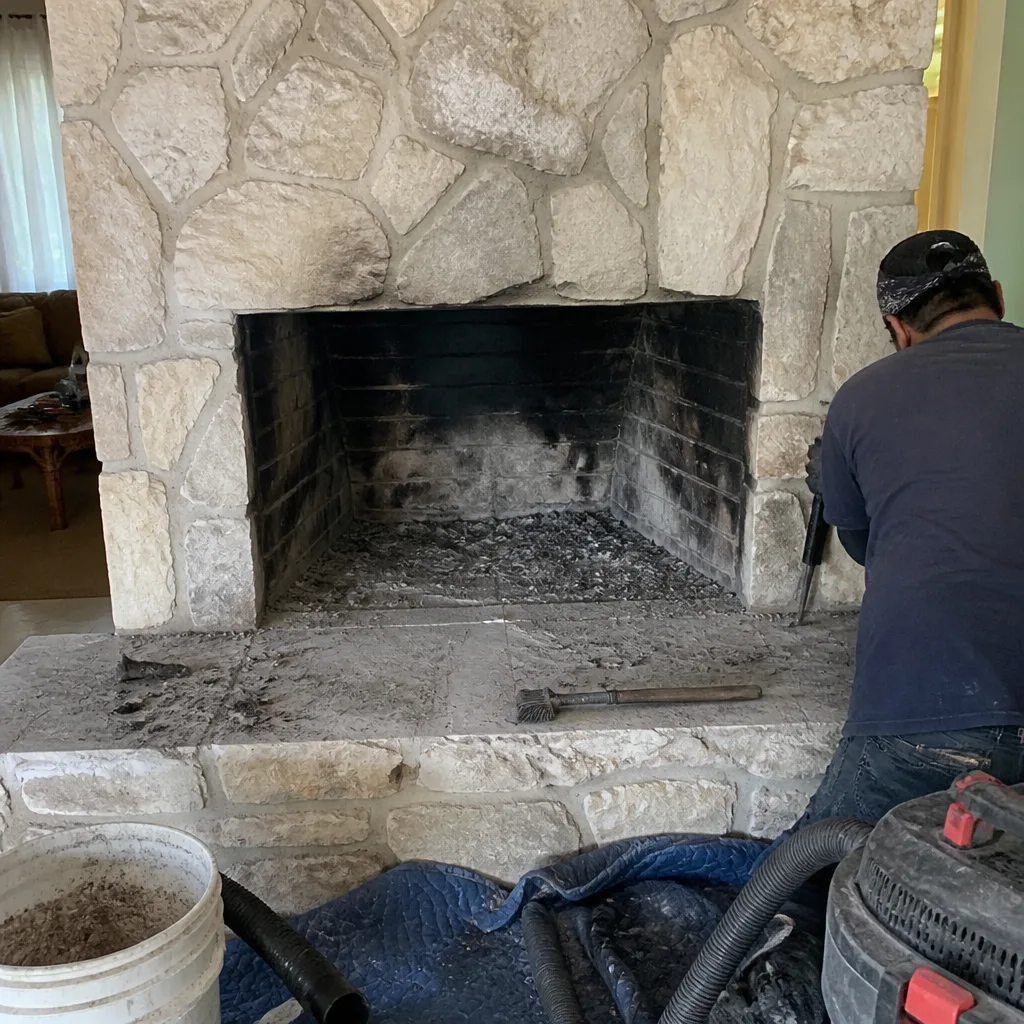 Before
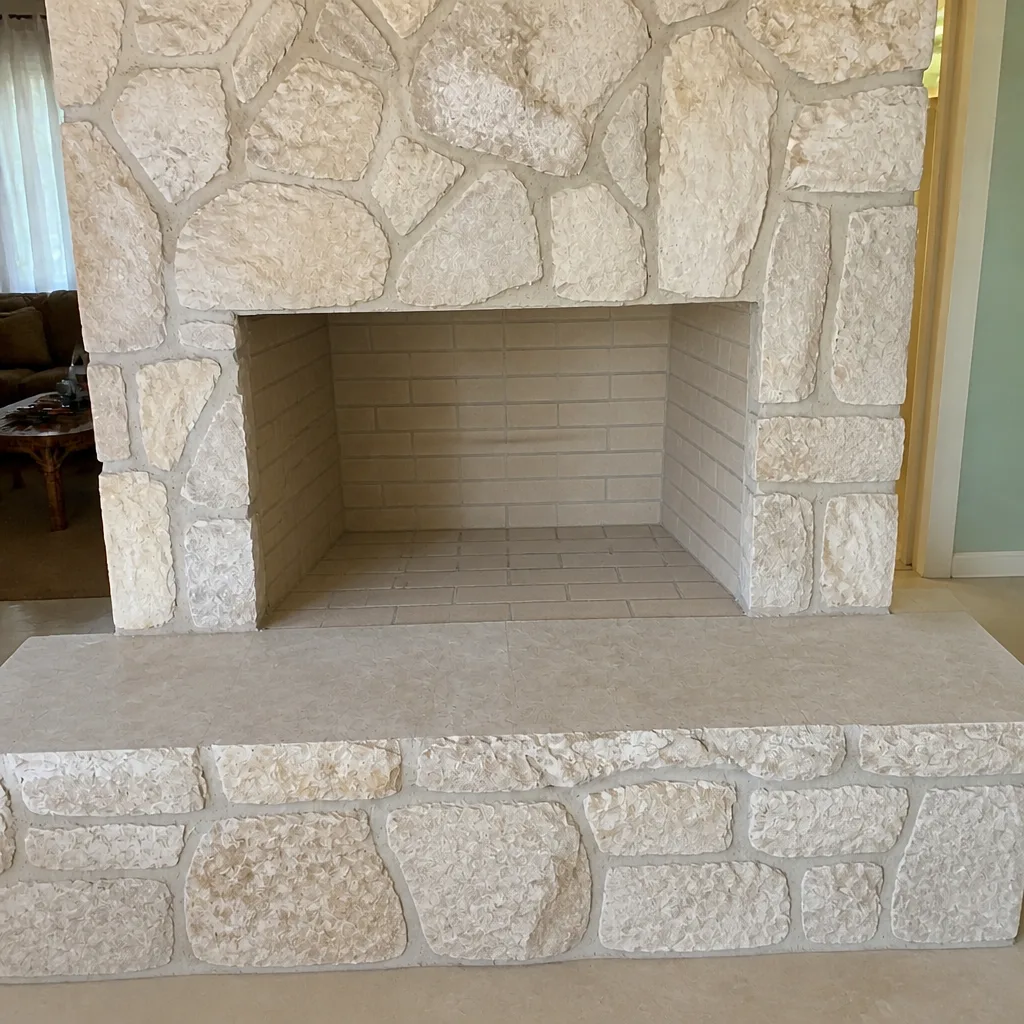 After
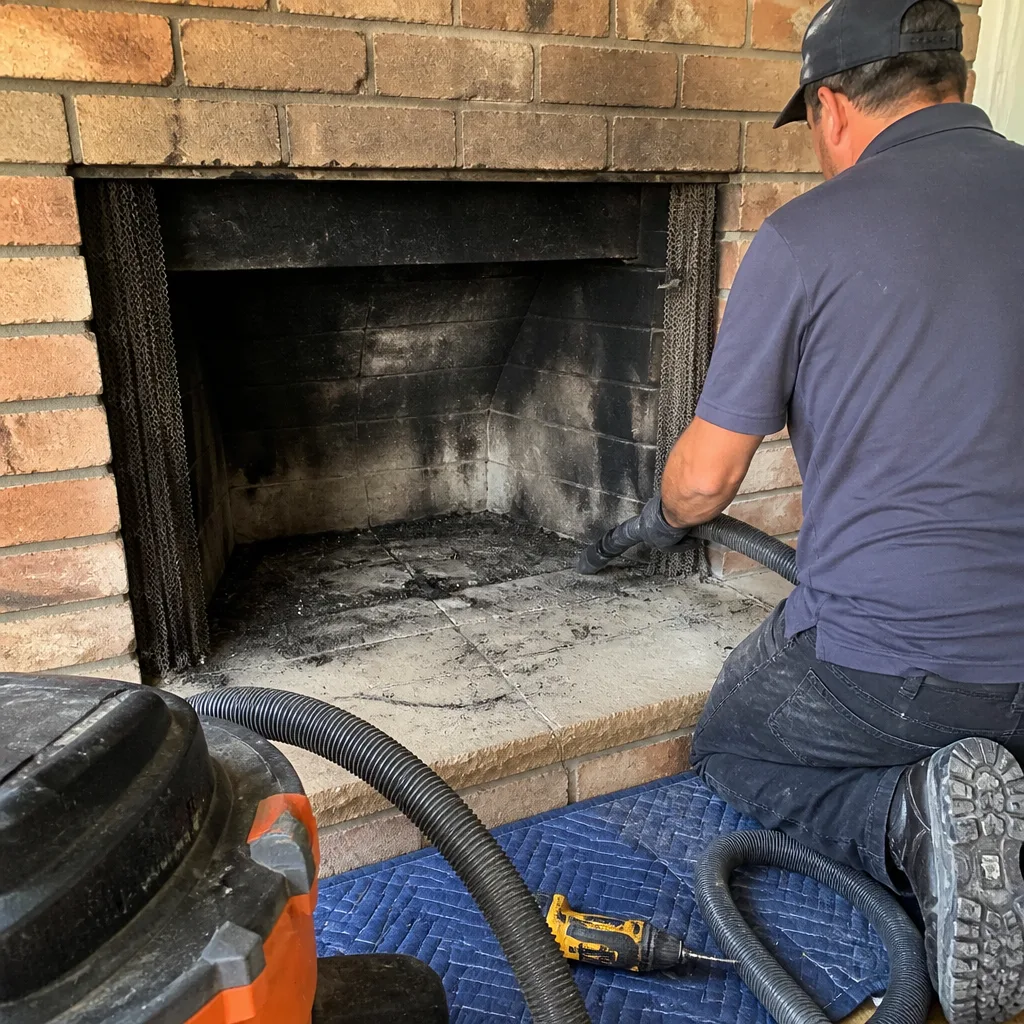 Before
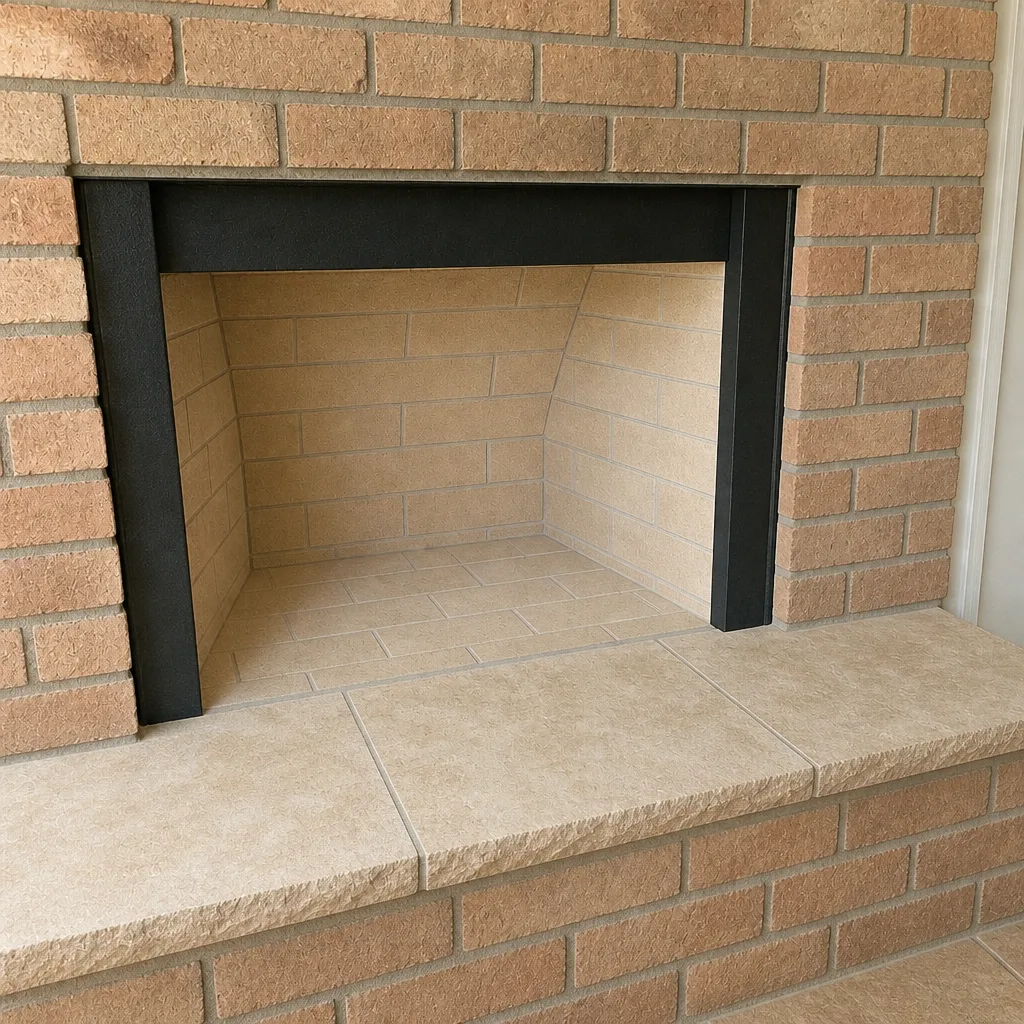 After