
Last updated November 14, 2026
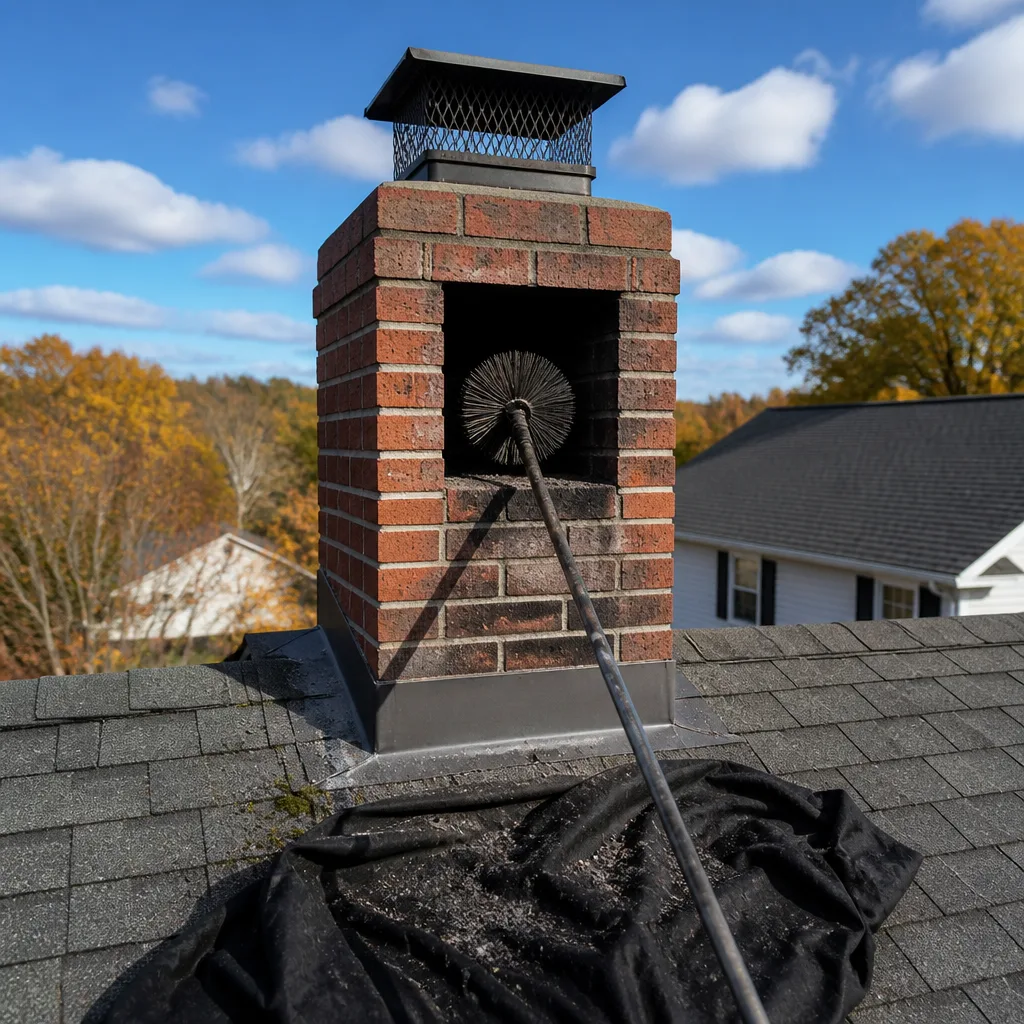 Sweep & inspection
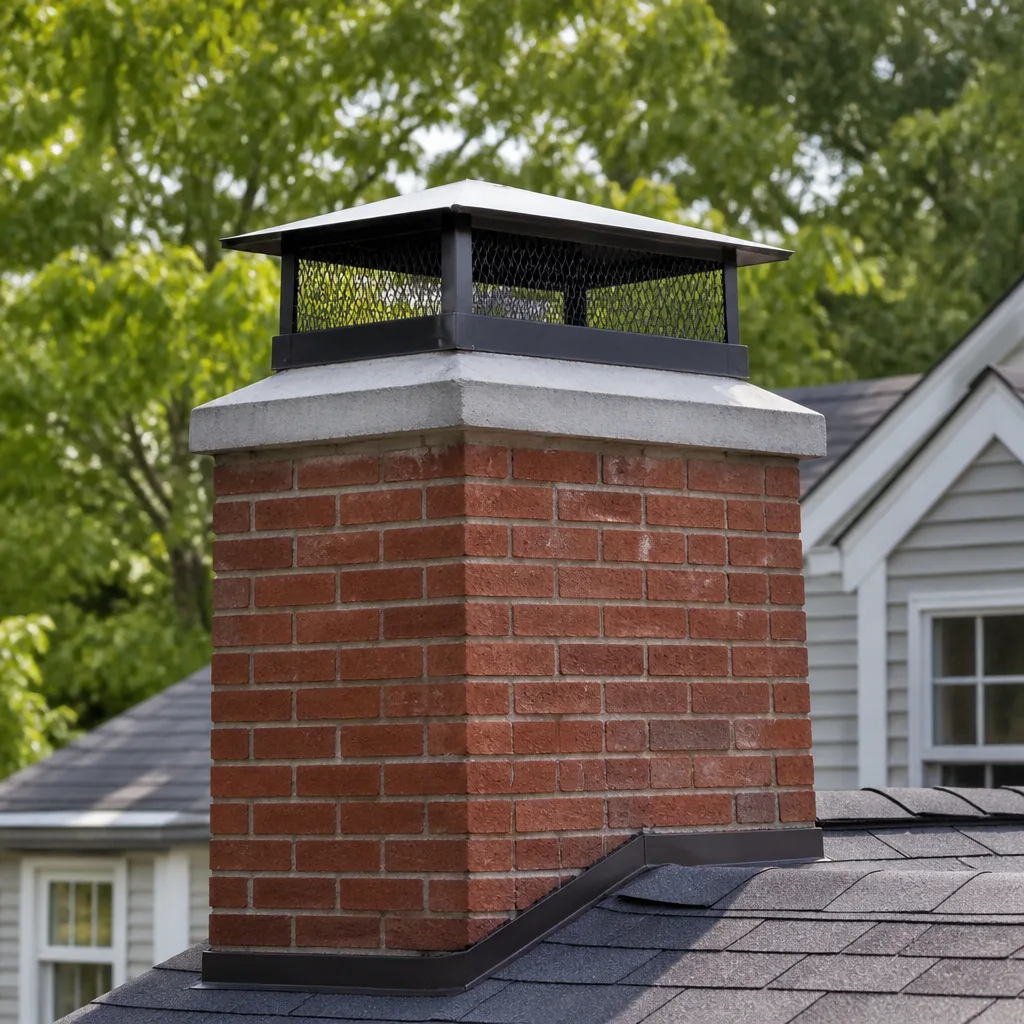 Caps & crowns
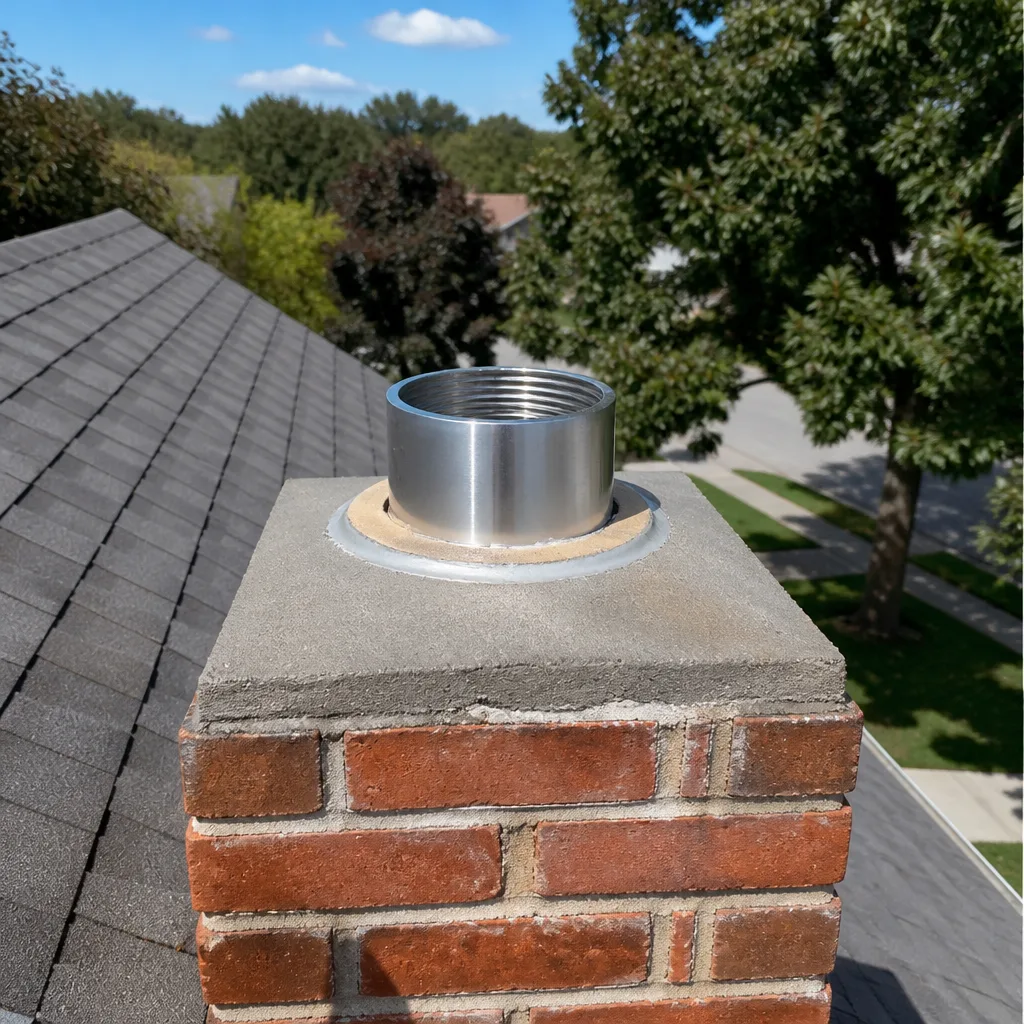 Flue relining
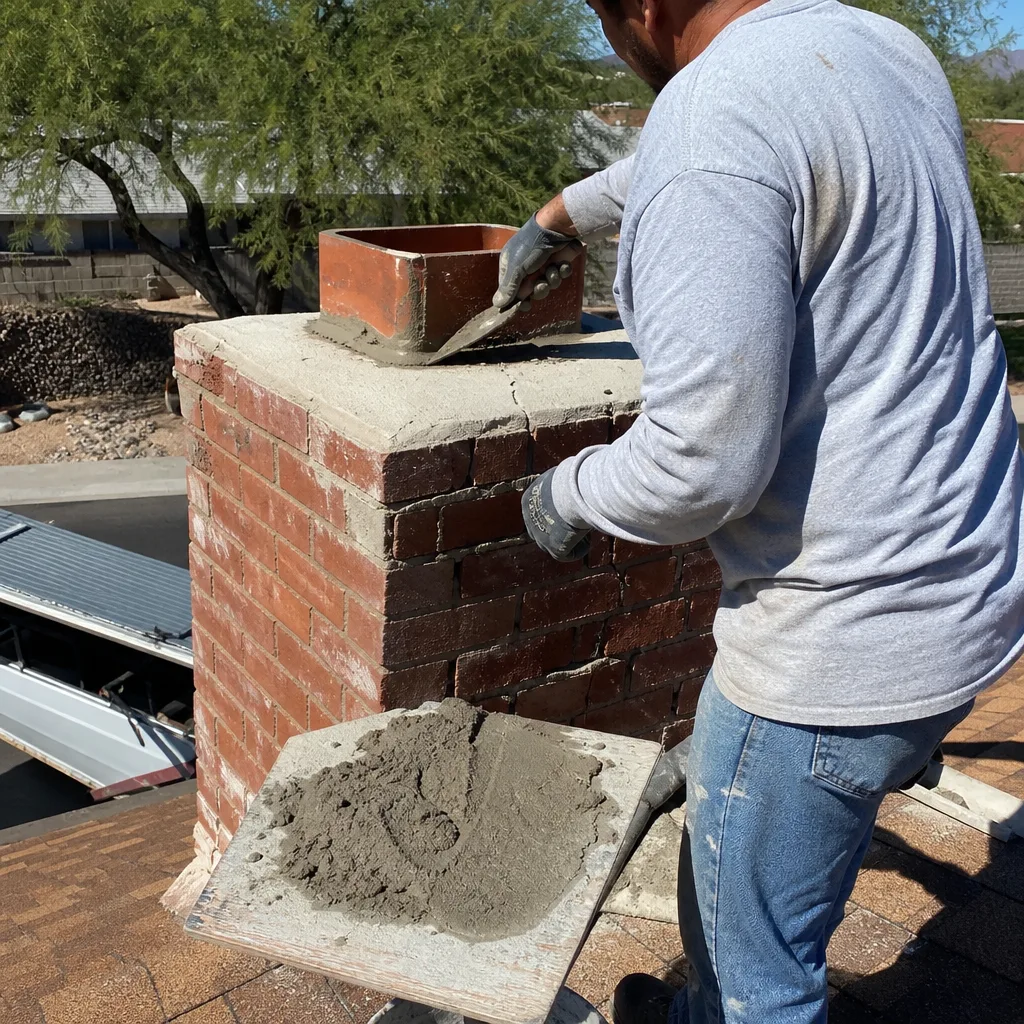
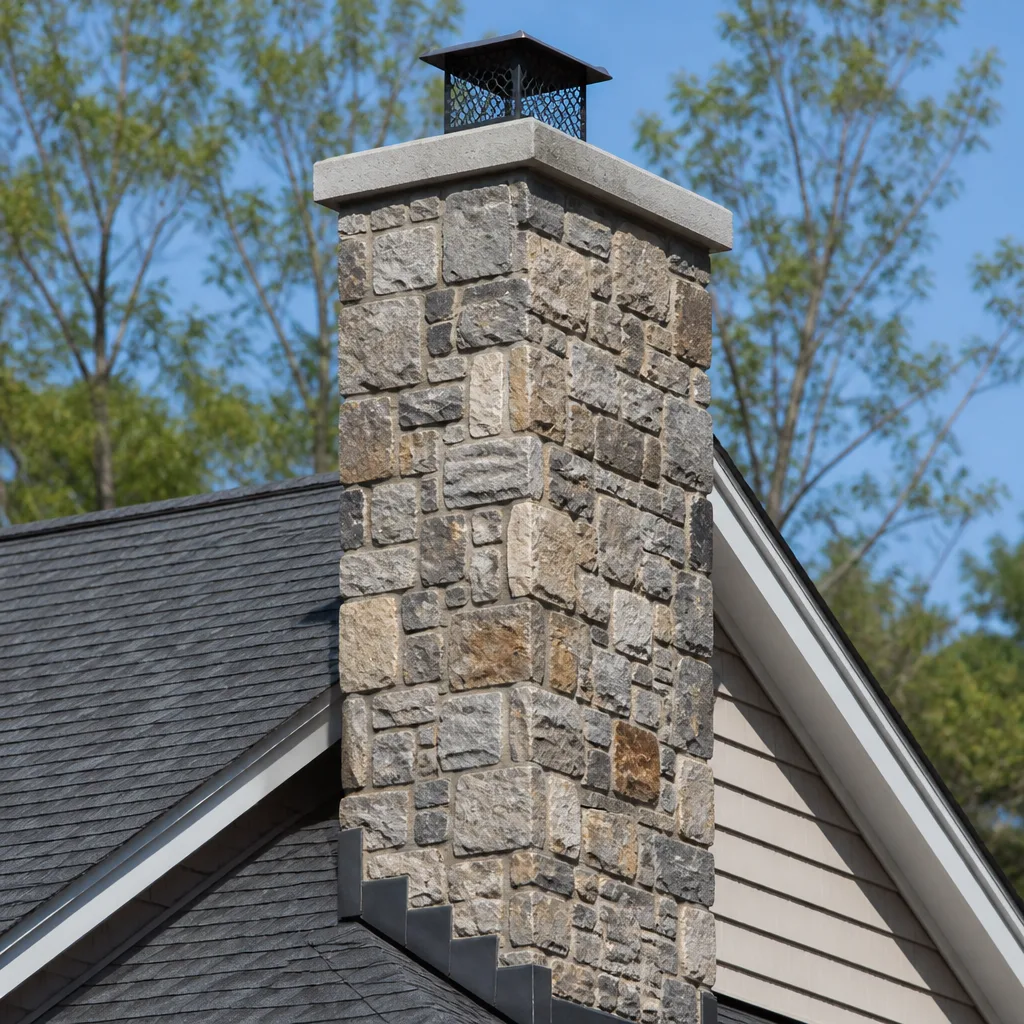 Masonry repair
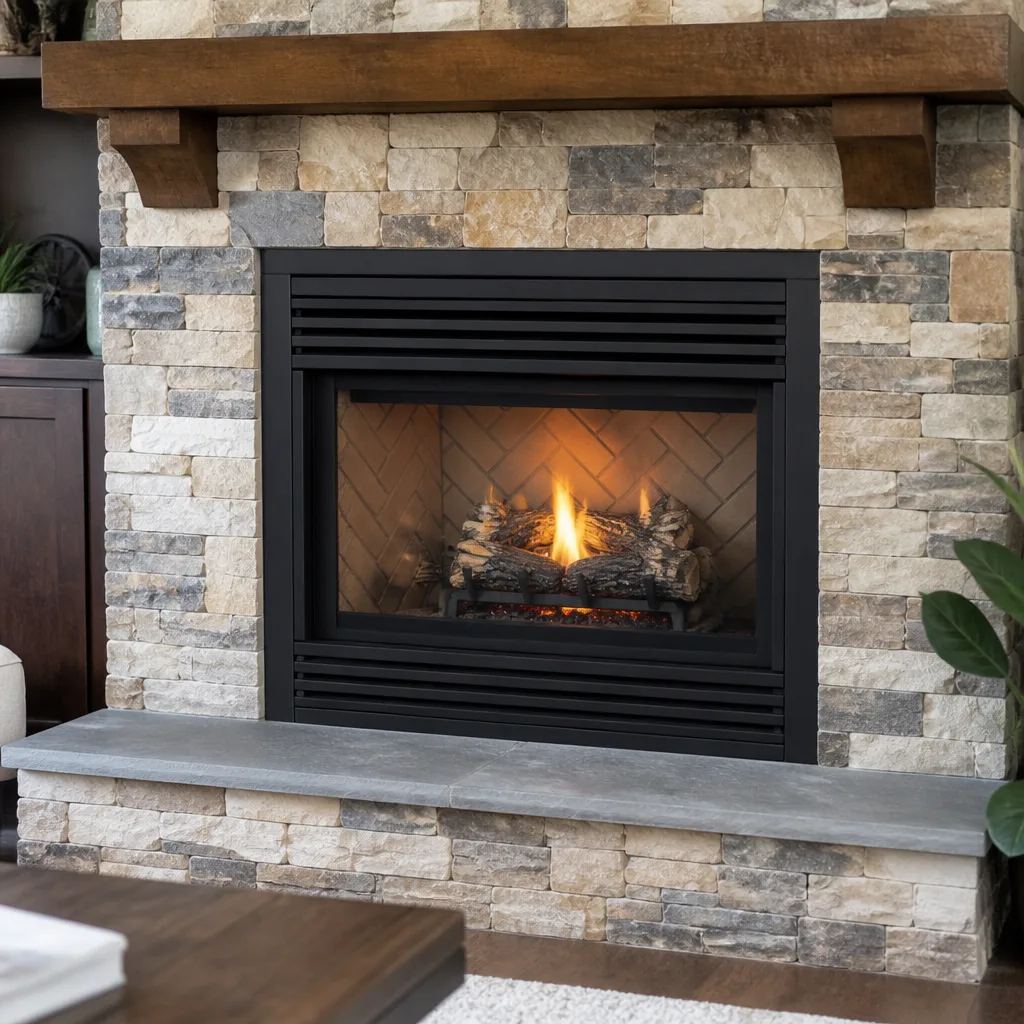 Gas fireplace service
Level 1 sweep and inspection to the NFPA 211 annual standard - flue, crown, cap, and flashing checked and photographed
Chimney sweep logs do not sweep chimneys. They loosen some creosote - which then falls where a brush and vacuum still have to collect it.
How to Hire a Chimney Cleaning Contractor in Tucson: A Step-by-Step Guide
There is no state license that specifically covers chimney sweeping in Arizona. That one fact is the reason the question “are you licensed?” tells you almost nothing when you’re hiring someone to clean or repair your chimney. A contractor can hold a valid general license and still have never put a camera down a flue. The real signals of competence in this trade live somewhere else: certification, the tools on the truck, the brands a company stocks, and whether they handle repairs themselves or hand you off to somebody else. This guide shows you what to actually ask a chimney contractor in Tucson, how to verify the answers in a few minutes, and how to read an estimate so you know what you’re paying for.
Quick Answer
To hire a chimney cleaning contractor in Tucson, verify chimney-specific certification (CSIA is the standard to look for), ask what inspection equipment and materials brands they use, confirm whether liner and masonry work is done in-house, and get a written estimate that itemizes the sweep, the inspection, and any recommended repairs. A dedicated chimney specialist will answer all of that without hesitation; a generalist with a brush usually can’t.
Styles & brands we work with
- Sweep & inspection
- Caps & crowns
- Flue relining
- Masonry repair
- Gas fireplace service
Table of Contents
- Why certification matters more than a general license
- How to verify a chimney contractor in 60 seconds
- The five questions that separate specialists from generalists
- Red flags specific to the Tucson market
- How to read a written chimney estimate
- What the materials brands tell you about a contractor
- What a proper sweep and inspection actually involves
- Common mistakes to avoid
Why Certification Matters More Than a General Contractor’s License
Arizona doesn’t issue a chimney-specific license, so the license check that works for a roofer or an electrician doesn’t translate here. What does translate is certification from a chimney trade body. The Chimney Safety Institute of America (CSIA) certifies chimney sweeps, and that credential is the closest thing this trade has to a recognized standard of competence. It covers how a chimney works, how venting systems fail, how to inspect, and how to sweep without damaging a flue.
Here’s why that matters more than a piece of paper from the state: chimney work is about combustion byproducts. A flue that’s swept wrong, or a liner that’s sized wrong, can let carbon monoxide into a house. A general contractor’s license says someone can run a business and pull permits for general work. It says nothing about whether they understand draft, flue sizing, or creosote.
In our experience, the certification gap shows up in the details. A certified sweep knows the difference between a masonry flue that needs resurfacing and one that just needs cleaning. They know that a gas insert still needs annual service even though it produces no creosote. They know what a camera view of a cracked flue tile looks like and what it means.
That’s the whole premise of hiring a chimney sweep in Tucson: you’re not buying a brushing, you’re buying a trained eye on the one system in your house that vents combustion gases. Certification is how you know the eye is trained.
How to Verify a Chimney Contractor in 60 Seconds
You don’t need an afternoon for this. Here’s the quick check, in order:
- Look up the CSIA certification. If a company claims certification, you can confirm it directly with the CSIA. If they can’t tell you where to check, that’s your answer.
- Ask for proof of liability insurance. Not a verbal “we’re insured.” A certificate of insurance with the company’s name on it, sent before the visit. This is a normal request and a professional company expects it. Ask also whether they carry workers’ compensation, because an uninsured helper on your roof is your problem if something happens.
- Check for a real physical address. A Tucson street address that shows up on a map. Not a P.O. box, not a phone number and nothing else.
- Ask what brands they stock. A specialist who relines chimneys will name the liner and resurfacing systems they install. A sweep-only operator either won’t have an answer or will say they’d “source it.”
- Ask who does the repair work. In-house technicians or a subcontractor? You want a straight answer.
Five minutes on the phone covers all of that. A dedicated chimney company in Tucson will answer each question quickly because these are routine facts about how they operate.
The Five Questions That Separate Specialists From Generalists
Plenty of handymen and HVAC companies in Tucson offer chimney sweeping as an add-on. Some do fine basic work. But a sweep is the entry point to the whole system, and the answers to these five questions tell you whether the person on your roof can handle what the sweep uncovers.
1. What equipment do you bring?
A professional sweep uses a chimney-specific rotary brush system with rods, drop cloths to seal the firebox opening, and a high-powered vacuum with a HEPA filter so no soot ends up in your living room. Household brushes and a shop vac are not that. Ask, and listen for specifics.
2. Do you put a camera in the flue?
A visual look from the top and bottom catches a lot, but it can’t show what’s behind a smoke shelf or past an offset. A camera inspection video-records the flue interior so you can see cracks, gaps, and creosote glaze for yourself. Any contractor who recommends thousands of dollars of liner work without showing you footage is asking you to take it on faith. We don’t think you should have to.
3. What brands do you stock and install?
Professional chimney supply lines exist for a reason. Relining and resurfacing systems from manufacturers like Olympia Chimney or Copperfield are engineered and specified for flue work. A contractor who buys that material knows the trade supply chain. Someone who plans to run to a consumer hardware store is telling you where their work sits.
4. What does your liability coverage actually cover?
General liability is the baseline. Ask if it covers work performed on a roof. Some policies exclude roof access or require an endorsement. A contractor who knows their own policy details is one who’s thought about what happens if a tile breaks or a ladder slips.
5. Do you sub out liner and masonry work?
Plenty of local sweep companies refer relining out to a second company. That means two inspections, two schedules, two margins, and a gap in accountability when something goes wrong. A full-service chimney company does the work itself. We handle the repair, not just the report, and it’s one of the clear reasons to choose a specialist over a generalist.
Red Flags Specific to the Tucson Market
Some of the warning signs that show up in Tucson are the same ones you’d see anywhere. Others are shaped by the local market. Here’s what to watch for.
Seasonal out-of-state contractors
Companies that appear in the cooler months with out-of-area plates and a temporary local number are a known pattern in the chimney trade. They book a run of jobs, collect payment, and leave. If the company’s address and reputation disappear in the summer, your warranty disappears with them.
Online listings with no physical address
Chimney sweeping shows up on classified listings where anyone can post. A professional company has an address, a phone number that’s answered, and a history you can trace. If the only way to reach them is a listing message, keep looking.
Relining recommended before they’ve seen the flue
This is the biggest one. A new liner is a real repair for a real problem: cracked tiles, gaps at the joints where the flue passes through framing, deteriorated mortar. If someone recommends a reline on the first visit without video evidence, ask to see the footage. If they can’t produce it, don’t book the work. This is exactly the hesitation we hear most from homeowners, and it’s healthy.
No paperwork
A written estimate, a written record of what was found, and a receipt. If a contractor operates on cash and verbal promises, there’s no record of what the flue looked like before they touched it.
Prices that don’t hold
A quote given over the phone, then raised on arrival after “we found more than we expected.” A flat-price sweep agreed before booking is standard. Anything extra should be itemized in a new written estimate, with the camera footage to back it up.
How to Read a Written Chimney Estimate
A written estimate is where you find out whether you’re buying a service or a sales pitch. Here’s how to read one.
What should always be itemized
- The sweep itself, by flue or by appliance. If you have a fireplace and a wood stove, the estimate should show both.
- The inspection, stated separately, whether it’s a basic visual check or a full camera inspection. “Inspection included” can mean nothing more than a glance from the firebox. If the estimate doesn’t say what kind of inspection, ask.
- Repairs, if any, listed as discrete line items: crown repair, damper replacement, flue tile resurfacing, liner installation. Each with a price.
- Materials, named and priced. “Liner: included” isn’t an estimate. A liner estimate should name the system and the length.
What’s fine to bundle
There’s no harm in a bundle price for “sweep plus inspection” as long as the estimate says what the inspection covers and the price is agreed before the work starts. What you want to avoid is a single lump sum that hides a repair inside a cleaning charge.
What “inspection included” sometimes means
Sometimes it means a basic visual check. Sometimes it means a full camera inspection with a photo report. Those are different products. The written estimate should say which one you’re getting, and if a repair appears without a camera, ask why. Nothing gets recommended by us without video evidence you can look at yourself. If the flue is fine, we say so, and you don’t need to spend anything further.
What the Materials Brands Tell You About a Contractor
Ask a chimney professional what brands they carry and the answer says a lot. Professional supply lines exist because flue work is engineered. A liner isn’t a generic tube of metal; it has a specific wall construction, a specific diameter, and a specific way it’s attached at the top and bottom. A resurfacing system isn’t a patch; it’s a ceramic product applied in a specific thickness to restore a flue’s integrity.
When a company stocks and installs systems from manufacturers like Olympia Chimney, Gelco, or Copperfield, they’re operating in the trade supply chain. Those brands are specified by chimney professionals, and they come with installation requirements that a professional follows. It’s the difference between repairing a chimney and improvising on it.
This matters for the same reason a licensed electrician’s panel brand matters. If the material is the wrong one, or the wrong size, the repair fails: a liner sized too small won’t draft, and a liner installed without proper top termination can let water in behind it. A contractor working at trade level knows the difference, and can explain it without a sales pitch. That’s also why dryer vent cleaning belongs on the same call: the same standard applies to both systems. You’ll find that service on our dryer vent cleaning page, and the two are a natural pairing because each is a leading household fire hazard, each is easy to neglect, and each rewards an inspection you can see the results of.
What a Proper Sweep and Inspection Actually Involves
Knowing what should happen helps you spot when it’s being skipped. Here’s the sequence a dedicated chimney company follows.
- An interior setup. Drop cloths laid, the firebox sealed off, a HEPA vacuum running. Your living room stays clean.
- The sweep. A rotary brush run through the flue from the top or bottom, with the vacuum containing the soot. A wood-burning fireplace and a wood stove each get swept along their full run.
- The inspection. The flue, firebox, damper, smoke chamber, and chimney crown are examined. The camera run produces footage of the flue interior. You should see it.
- A written report. What was found, what it means, and what, if anything, should be done about it.
A note on safety: some parts of a chimney inspection are genuinely hazardous. Breathing soot and creosote particulate, working on a roof, and handling a flue that may have carbon monoxide in it are not jobs to take on yourself. A technician trained for this work should be the one up there, and a good contractor will flag any hazard they find in plain language without trying to sell you on it.
A note on timing: Tucson’s winters are mild, but the burning season still has a start. Getting a sweep and inspection done before the first fire of the season means you’re not learning about a cracked flue while it’s already in use. If it’s been more than a couple of seasons, the sweep matters more than it looks.
Common Mistakes to Avoid
- Hiring on price alone. The cheapest quote in Tucson is often from a sweep-only operator who can’t handle what they find. You save on the sweep and pay more later when the liner needs work and you’ve got to hire someone else.
- Skipping the camera. A basic visual look is useful, but it can’t show cracks behind an offset. Ask for footage. If a repair is recommended without it, walk away.
- Booking a seasonal contractor you can’t call in June. Warranty means nothing if the company is gone when you need them.
- Assuming the fireplace is the only system. If you have a gas insert or a gas furnace vented through a flue, it still needs annual service. Gas appliances don’t produce creosote, but they produce moisture, and a flue that’s venting a gas appliance can degrade differently than a wood flue.
- Forgetting the dryer vent. A clogged dryer vent is a fire hazard, and in Tucson the dry, hot conditions mean lint dries out and stays flammable. A lint-clogged vent is a common cause of house fires nationwide, and it’s the second hazard in a house that a chimney company can check on the same visit.
- Not asking about a physical address. Look for a company that gives you a real one. It tells you who you’re hiring.
- Not keeping the written report. The report is your record. It shows what the flue looked like at a point in time, and it’s what you’d show a buyer or an insurer if you ever needed to.
See the difference
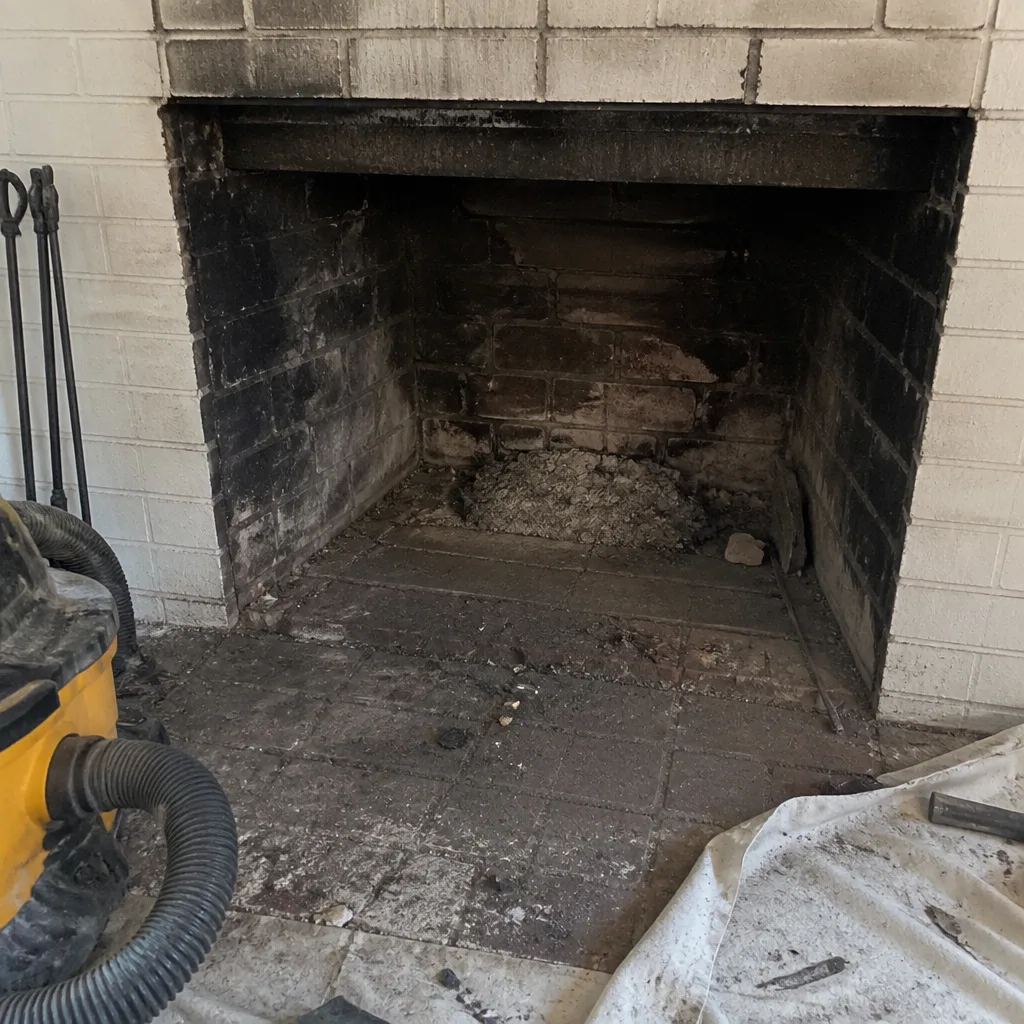 Before
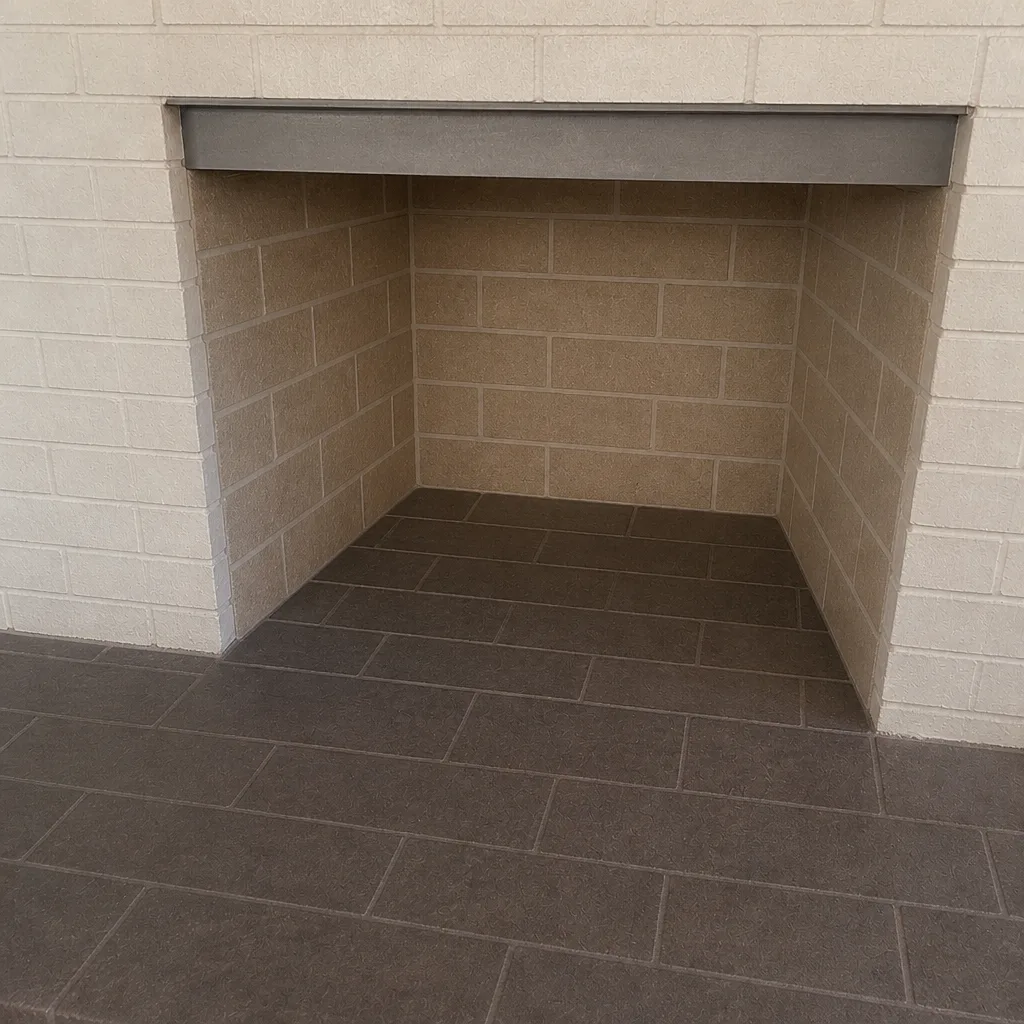 After
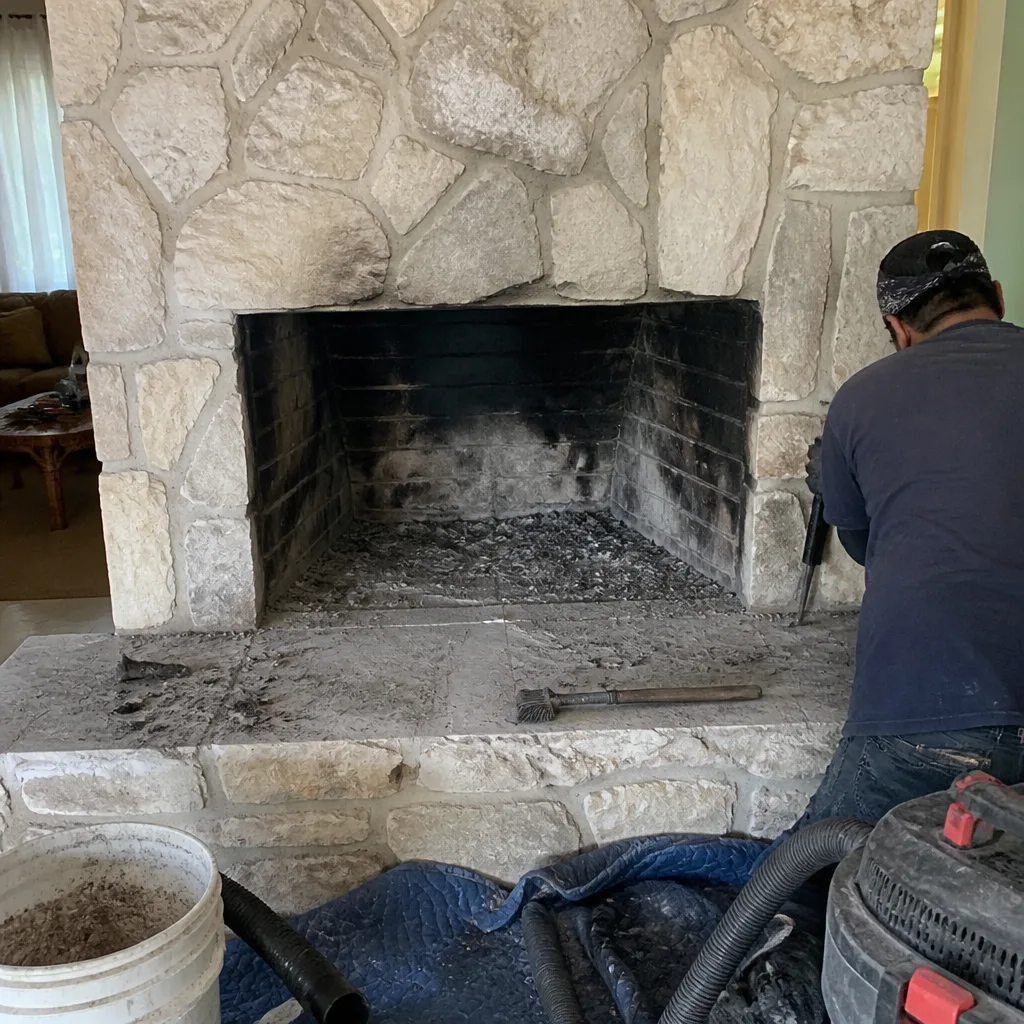 Before
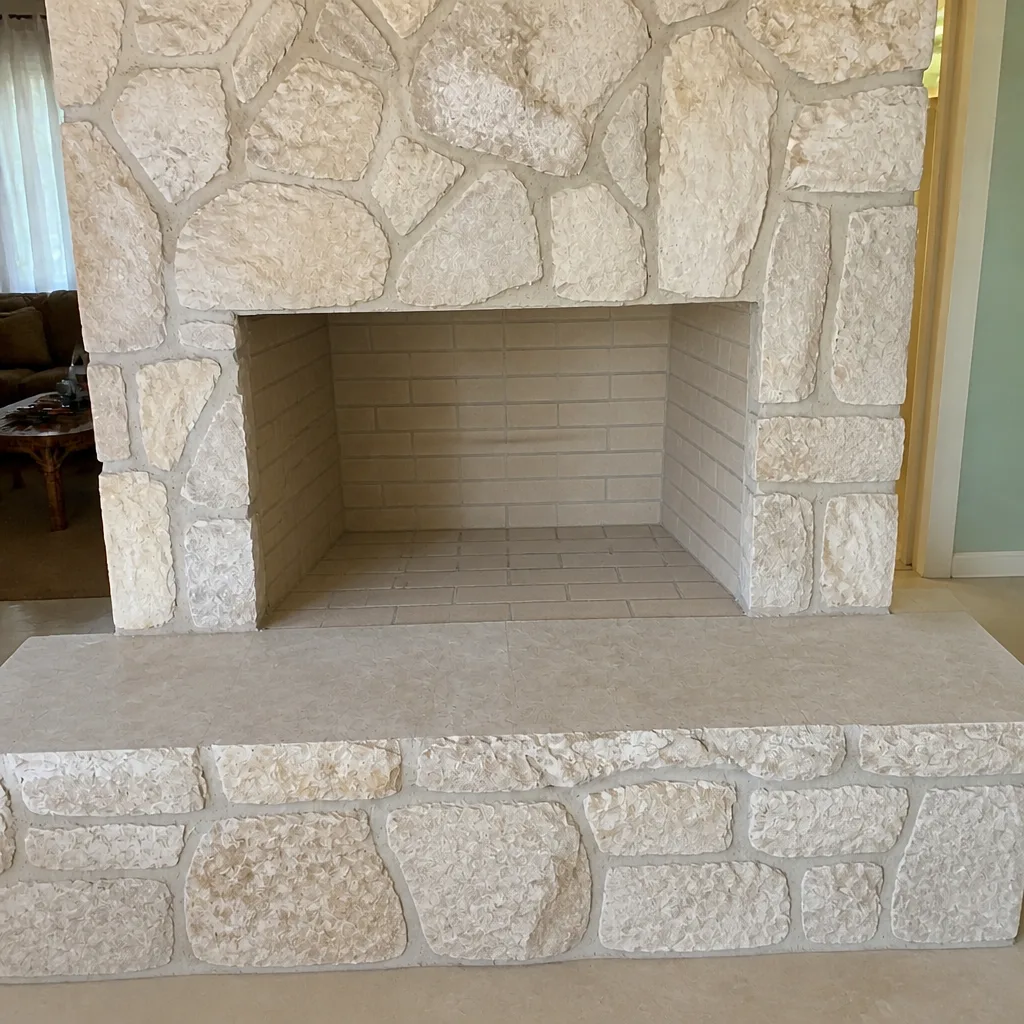 After
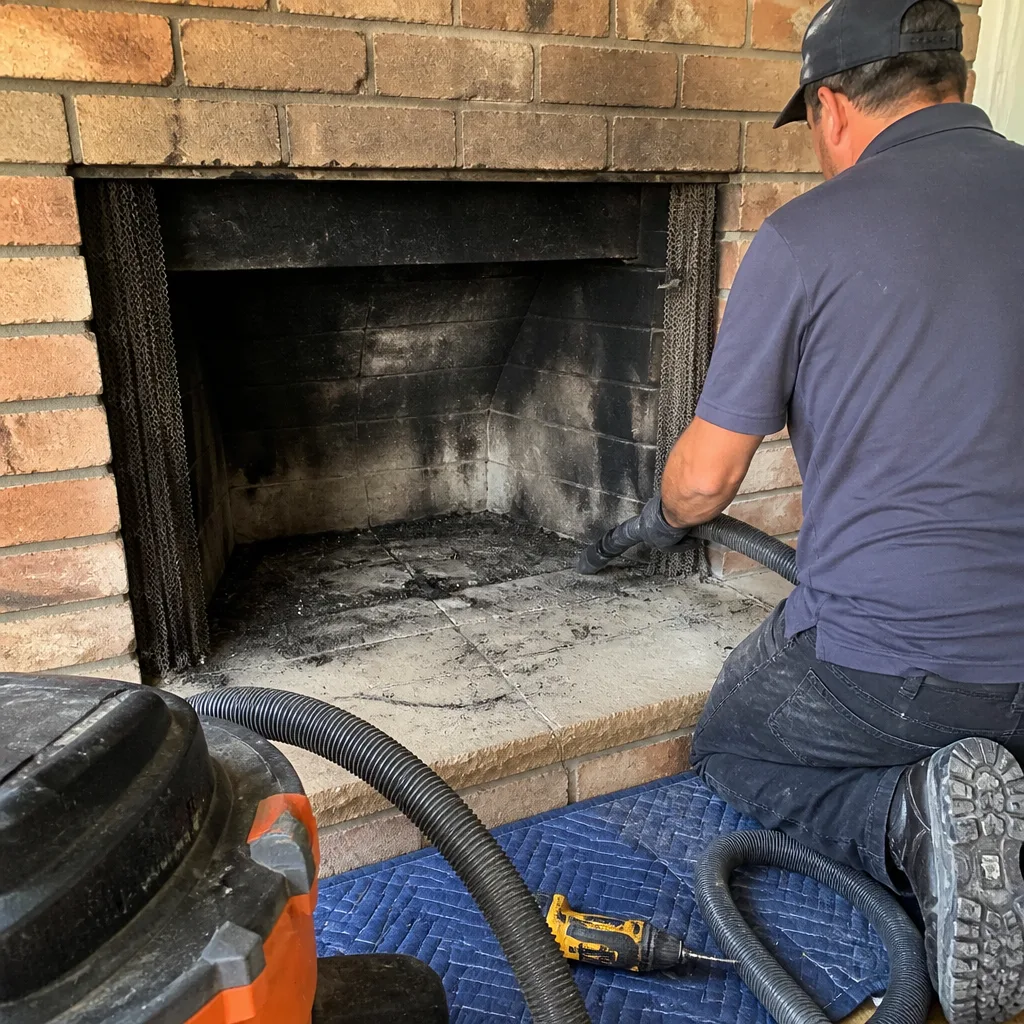 Before
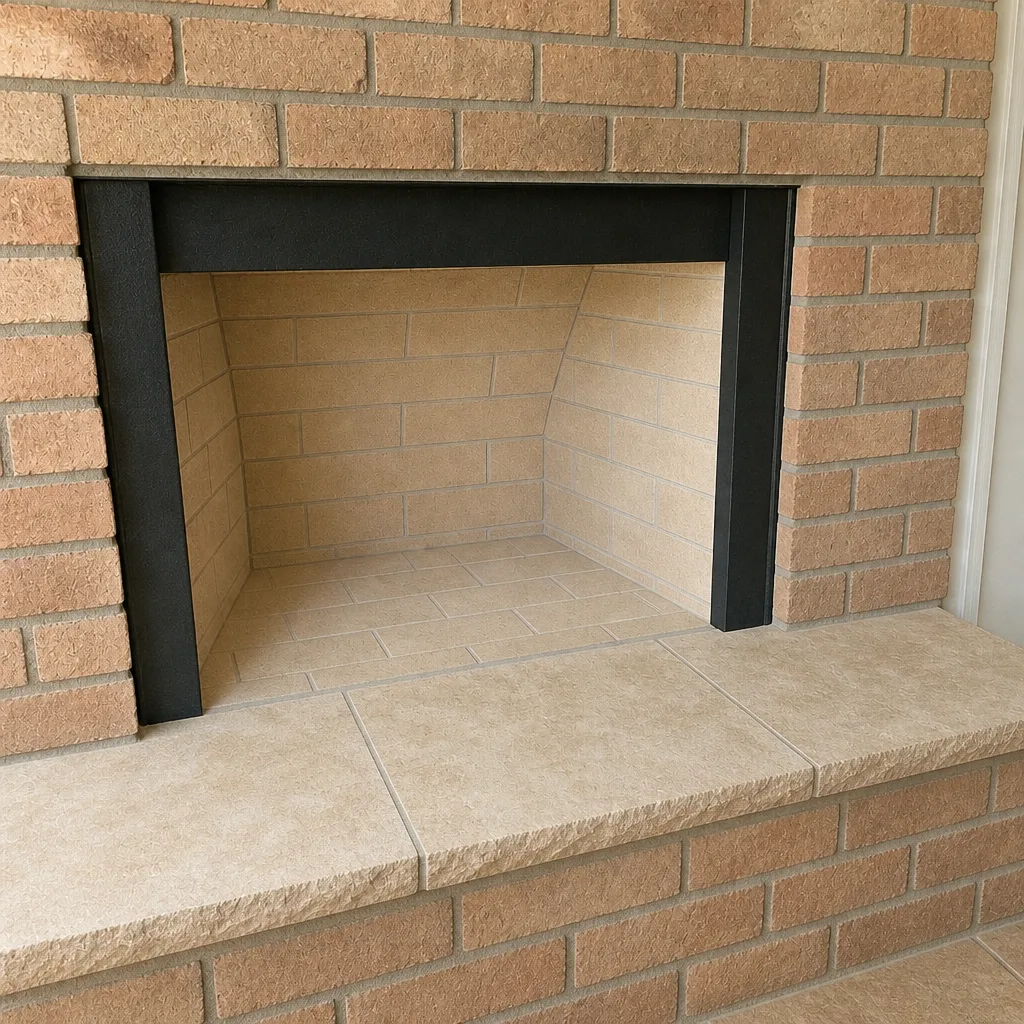 After
When to Call a Professional
Not every chimney issue needs a sweep tomorrow. But some of them shouldn’t wait at all. Call a professional if you’ve had a flue fire or a chimney fire, however small, because the flue needs inspecting before it gets used again. Call if your fire smokes into the room, if the draft is poor, if you smell an acrid or smoky odor in the house when the fireplace isn’t in use, or if you see soot or creosote stains on the outside of the chimney. Those can indicate blockages, cracks, or a failed liner. Also call if it’s been two or more years since the last sweep, if you’ve just moved into a house with a fireplace you don’t have a service history for, or if a gas insert or vented appliance hasn’t been looked at in a while.
A dedicated service in Tucson will be able to tell you what you’re dealing with and what can safely wait. We can tell you what we find and we can tell you when a repair can wait until you’re ready for it. Tucson homeowners can book a visit and get a free estimate: call (855) 750-1719. We answer 24/7. Fast dispatch from 7am to 7pm, Sunday through Friday.
Frequently Asked Questions
A chimney sweep in Tucson is typically a per-job price set by a written estimate before any work begins, based on the number of flues, whether the appliance is wood or gas, and whether a camera inspection is included. The written estimate sets the final price. Call (855) 750-1719 for an exact quote: estimates are free.
Arizona doesn’t issue a chimney-specific license, so there’s no separate credential to check with the state. Instead, look for CSIA certification, proof of liability insurance, and a company that names the materials brands they install. Those are the signals that actually tell you whether the contractor is qualified.
A chimney used for wood should generally be swept once a year or whenever a quarter-inch of creosote has built up on the flue walls, whichever comes first. Gas and wood stove appliances still need annual service even though a gas flue doesn’t produce creosote. In Tucson, where the burning season is shorter, the yearly rhythm is the easiest way to stay ahead of it.
Creosote builds up on the flue walls, and creosote in its glazed form is highly flammable. A flue fire can crack tiles or damage the liner, and a blocked flue can push combustion gases back into the house. The risk isn’t immediate for every chimney, but it builds quietly, which is why an annual check is the standard. If you don’t know when yours was last swept, call (855) 750-1719 and get an estimate for a clean and inspection.
Anyone with a brush and rod can sweep a chimney, but a sweep-only generalist often can’t inspect or repair what they find. If the flue needs relining or resurfacing, they’d have to hand you off to a specialist anyway. A dedicated chimney company does the sweep, the camera inspection, and the repair in one job.
A liner is recommended when the flue has visible cracks, gaps at the joints where it passes through framing, or deteriorated mortar, and the evidence should be video footage you can watch. Ask to see it before you agree to anything. If a contractor recommends a reline without showing you the flue, get a second look. Call (855) 750-1719 to talk it through: estimates are free.
The Bottom Line
Hiring a chimney contractor in Tucson comes down to a few checks that a real specialist passes without effort. Verify CSIA certification, because Arizona’s licensing doesn’t cover this trade. Ask for proof of liability coverage and a physical address, not a phone number in a listing. Ask what equipment they bring and whether a camera goes in the flue, because the footage is what justifies any repair they recommend. Ask who does the liner work, and listen for a company that installs professional materials from brands like Olympia Chimney or Copperfield rather than substituting consumer hardware. Get a written estimate that itemizes the sweep, the inspection, and any repairs. And decide based on evidence you can see, not pressure you can’t verify. A good chimney contractor will make all of that easy and will tell you plainly when work can wait. For Tucson Chimney Sweep, serving Tucson since 2018, that’s the whole way we work.
Call us at (855) 750-1719 for a free estimate on a chimney sweep, chimney repair, or dryer vent cleaning. We answer 24/7. Fast dispatch from 7am to 7pm, Sunday through Friday. If a door in your home fails on a Saturday and you call, we’ll book you for Sunday.
Written by the team at Tucson Chimney Sweep, serving Tucson since 2018.