
Last updated November 14, 2026
 Sweep & inspection
 Caps & crowns
 Flue relining
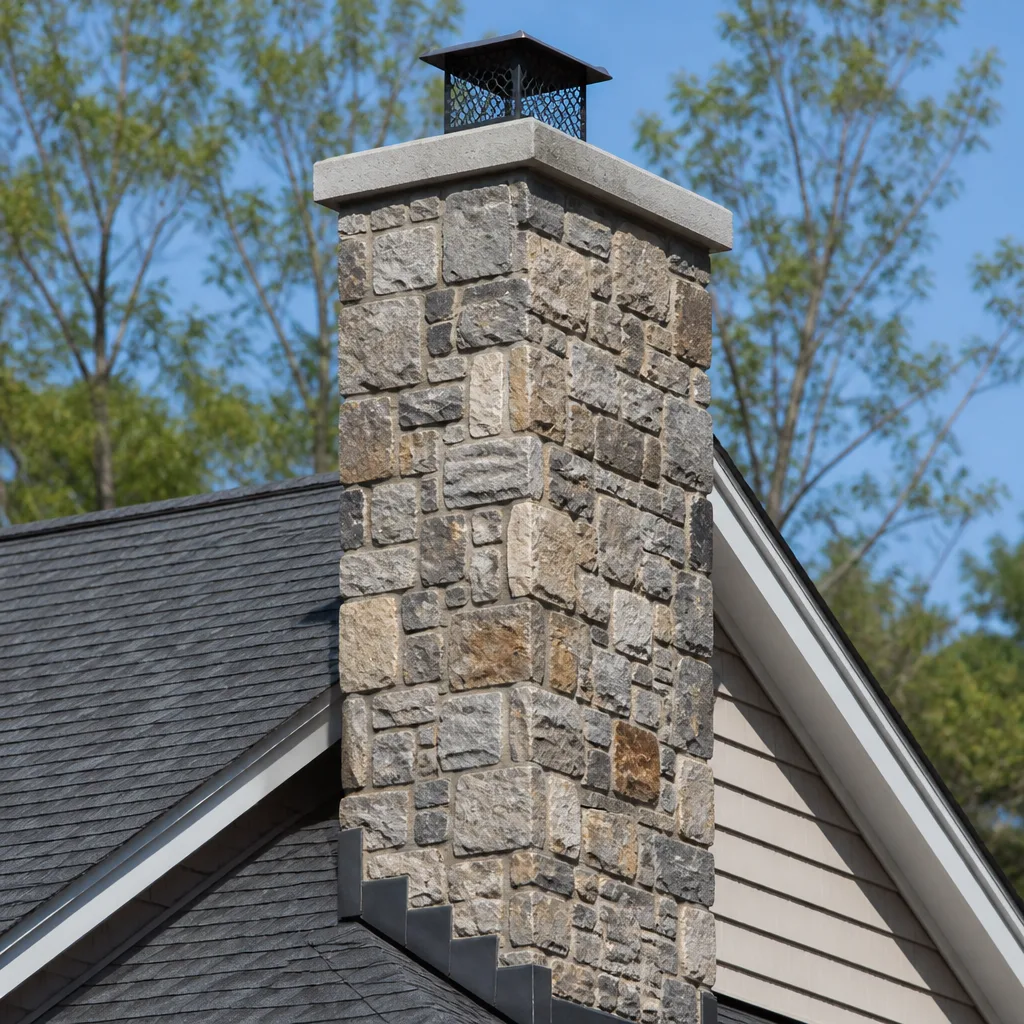 Masonry repair
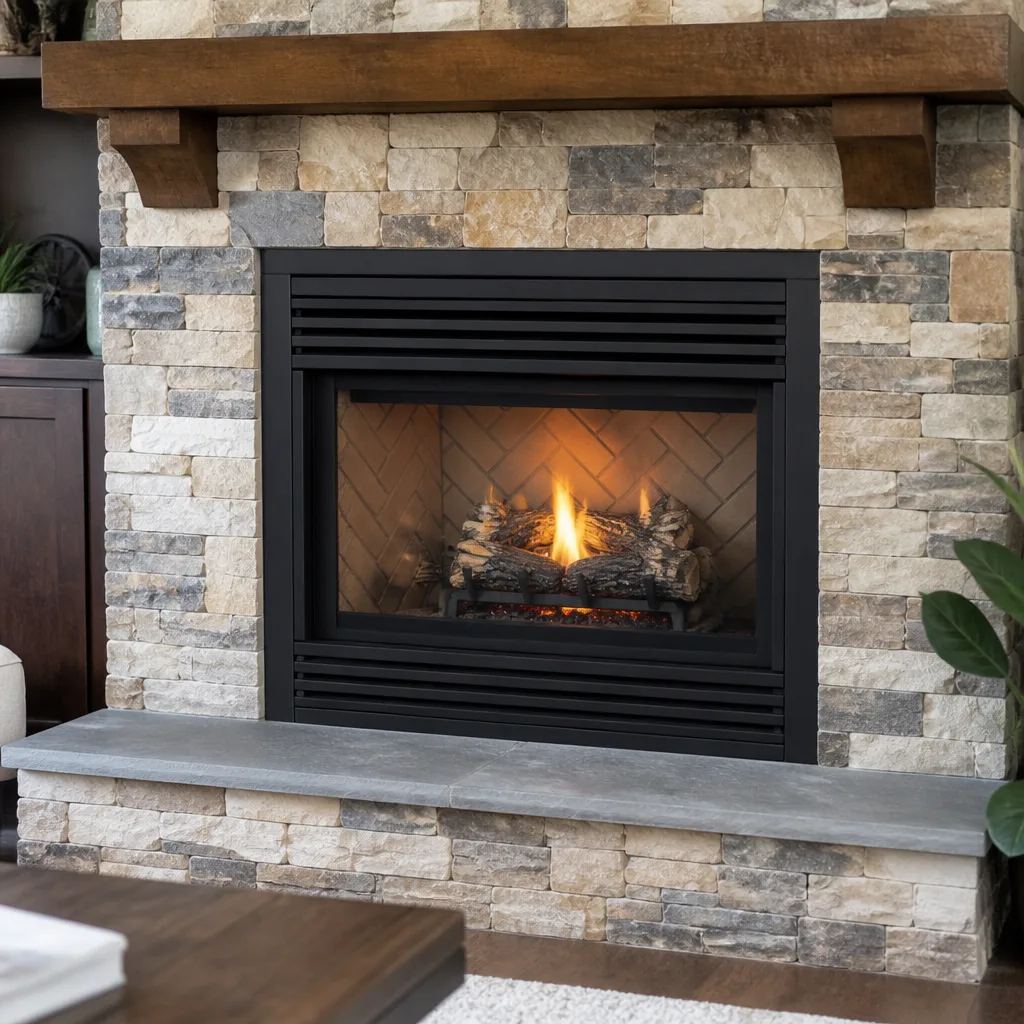 Gas fireplace service
Level 1 sweep and inspection to the NFPA 211 annual standard - flue, crown, cap, and flashing checked and photographed
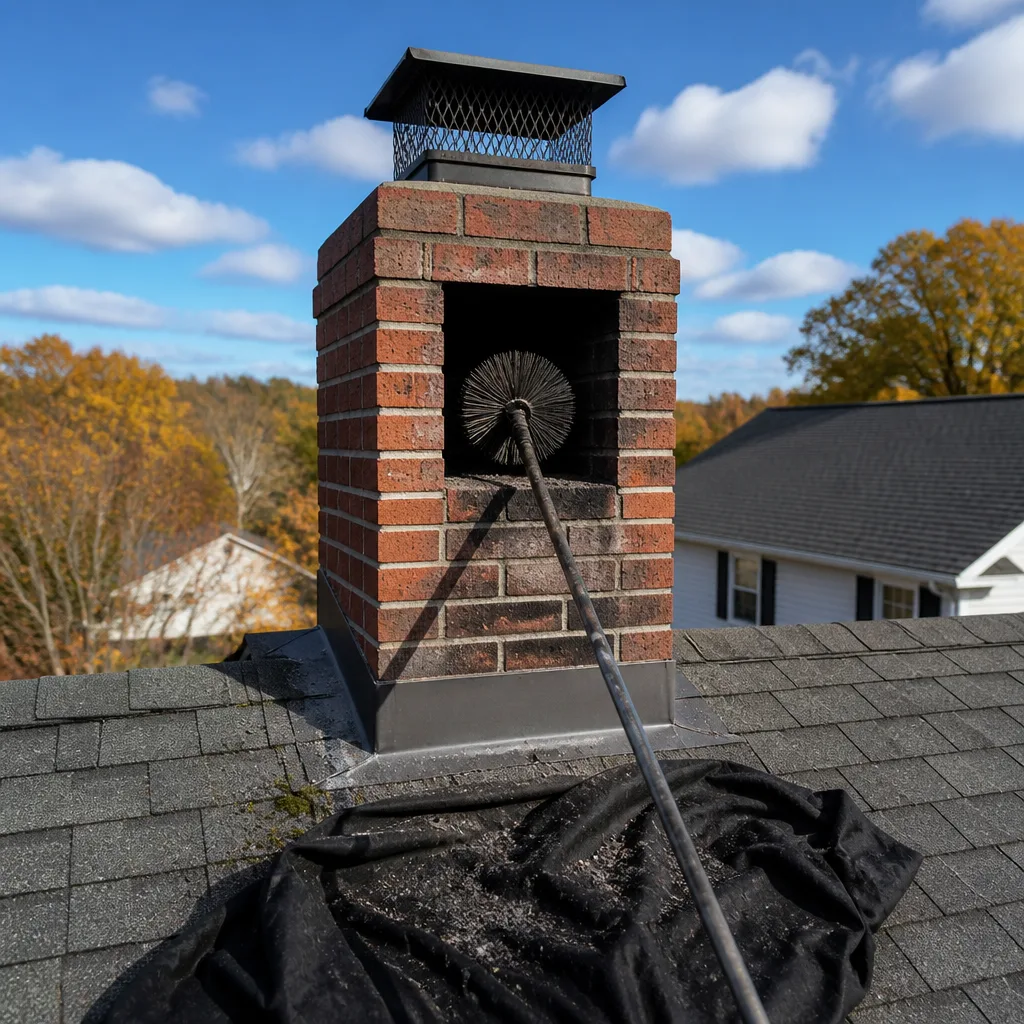
Chimney sweep logs do not sweep chimneys. They loosen some creosote - which then falls where a brush and vacuum still have to collect it.
Seasonal Chimney Cleaning Care for Tucson: Year-Round Homeowner’s Guide
Most chimney advice you’ll find online was written for a place with four tidy seasons and a long, cold winter. Tucson doesn’t work that way. Our year splits along different lines entirely: a dry, blazing stretch in late spring, a hard and sudden monsoon, a dusty shoulder period when haboobs roll through, a mild winter when the fireplace finally earns its keep, and a long warm off-season that quietly tests whatever you left in the flue. If you time your chimney care to the national calendar, you’ll do the right chores at the wrong moments.
This guide reframes the year around Tucson’s actual weather so you know what to check, when to book a chimney sweep, and why the order of your pre-season work matters. It’s built for homeowners who run a fireplace, wood stove, or gas insert and want a rhythm that fits the desert rather than a template written for New England.
Quick Answer
The right seasonal rhythm for a Tucson chimney is: seal and repair in the dry heat of May and June before the monsoon, assess for water damage in August and September after it, check the cap and damper after haboobs in July and early fall, sweep and test in October before your first fire, and do a closing sweep in February or March so the flue sits clean through the hot off-season. Rain, dust, and dry heat do the damage here, not deep frost.
Styles & brands we work with
- Sweep & inspection
- Caps & crowns
- Flue relining
- Masonry repair
- Gas fireplace service
Table of Contents
- Why Tucson Chimney Care Doesn’t Follow the Standard Calendar
- Pre-Monsoon: The Dry-Heat Window for Sealing and Repair
- Monsoon Aftermath: Reading Water Intrusion, Efflorescence, and Spalling
- Haboobs and Dust Storms: What They Do to Caps, Screens, and Dampers
- Pre-Fire-Season: Sweep, Inspect, Test, in That Order
- Post-Fire-Season: The February-to-March Closing Sweep
- The Hot Off-Season: Keeping the Flue Healthy When You’re Not Using It
- A Month-by-Month Chimney Calendar for Tucson
Why Tucson Chimney Care Doesn’t Follow the Standard Calendar
Chimney maintenance guides assume the enemy is cold. Frozen flues, ice dams, and the deep freeze drive the standard advice about when to sweep and when to repair. In Tucson, the pressure on a chimney comes mostly from water that arrives all at once and then vanishes, from blowing dust, and from months of dry heat that bake mortar and crown materials before the rain ever shows up. The threats are real; they’re just on a different schedule.
Tucson averages about 12 inches of rain a year, which sounds modest until you learn that nearly half of it lands in a six-week stretch during monsoon season. That water doesn’t distribute itself politely. It hits a compromised chimney cap, follows a hairline crack in the crown, and finds its way into places a homeowner never sees. The rest of the year, the chimney sits in dry heat that widens those cracks a little more each season. So the useful question isn’t “when is it cold” but “when is it dry enough to repair, and when is it wet enough to reveal damage.” That’s the frame this whole guide runs on.
One more local reality: many homes here use the fireplace hard for a short winter and then ignore it for eight or nine months. That long idle period is exactly when a dirty flue does quiet damage, because creosote and soot sit against masonry and metal while temperatures climb outside. A chimney that gets swept before the hot months starts that off-season clean.
Pre-Monsoon: The Dry-Heat Window for Sealing and Repair
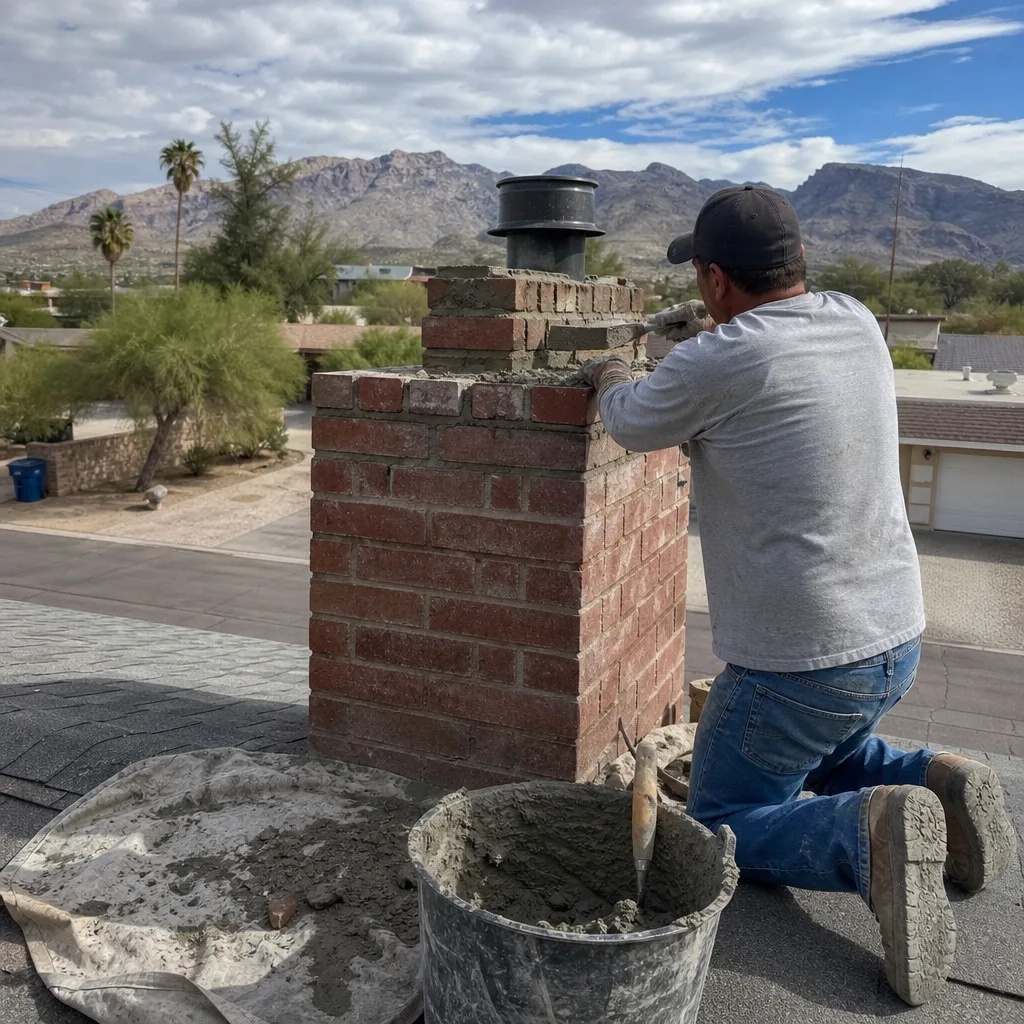
May and June are the best months of the year to seal a crown, repair cracked mortar, and address the small openings that let monsoon water in. Materials cure reliably in the dry heat, and you’re working ahead of the rain rather than chasing it. If you only do one piece of preventive chimney work a year in Tucson, make it this one.
Water is the slow killer of masonry chimneys. A crown with a hairline crack lets a little rain in each storm; the masonry soaks it up, the sun bakes it dry, and the cycle repeats. Over a few seasons, that crack becomes a spalled brick, a loose joint, and eventually a flue that lets moisture reach places it shouldn’t. Sealing before monsoon interrupts that cycle at the cheapest possible point.
What a pre-monsoon inspection is looking for:
- Crown condition – cracks, chips, or a crown that has pulled away from the flue. A sound crown sheds water; a failed one funnels it in.
- Mortar joints – soft, recessed, or crumbling joints in the chimney exterior, which the dry heat makes worse.
- Flashing – the metal where the chimney meets the roof. This is the most common leak point on any roof, and monsoon exposes it fast.
- Cap and spark screen – secure, unobstructed, and sized correctly for the flue.
- Damper seal – closes fully, with no gaps that let water or downdrafts through.
We schedule pre-monsoon chimney work in Tucson in May and June for a reason: once the storms start, curing conditions get unpredictable and access gets harder. Book the repair while the roof is dry and the chimney is telling you what it needs. When a crown is badly cracked or a flue has lost its lining, we handle that repair directly rather than handing you off, using HeatShield ceramic resurfacing to restore a flue from the inside when a full rebuild isn’t warranted.
Monsoon Aftermath: Reading Water Intrusion, Efflorescence, and Spalling
Once the monsoon passes in August and September, walk the house and look at the chimney with water damage in mind. The signature signs in Tucson are efflorescence (a white, chalky bloom on masonry), spalling (brick faces flaking off), and rust stains or damp patches near the firebox or damper. If you see any of these, the chimney has been taking on water and should be inspected before you burn again.
Efflorescence and spalling are the wet-dry cycle made visible. Water enters the masonry, dissolves salts inside it, and carries them to the surface as it evaporates. The salts dry into that white bloom, and the pressure of crystals forming inside the brick eventually breaks the face off. In a climate that swings from soaked to bone-dry in a matter of days, this happens faster than most homeowners expect. It’s not cosmetic; it’s the chimney telling you the water is getting in somewhere.
Indoors, monsoon problems show up as a musty smell in the firebox, a damper that sticks, rust on the firebox components, or staining on the ceiling near the chimney chase. Any of these point to water reaching the interior, and the source is usually the crown, flashing, or cap. Post-monsoon is the right time to have the chimney looked at while the evidence is fresh and the roof is still accessible.
The good news: caught early, most monsoon water damage is a repair, not a rebuild. A resealed crown, repaired flashing, and a properly fitted cap often solve it. Our inspection uses a camera so you see the inside of your flue on the screen, and nothing gets recommended that you can’t verify for yourself.
Haboobs and Dust Storms: What They Do to Caps, Screens, and Dampers
A haboob pushes fine desert dust into every opening on your roof, and a chimney cap with a compromised screen or a loose fit is an open door. After a major dust storm, check the cap, spark screen, and damper before your next fire. The dust itself isn’t usually the danger; what it reveals about a failing cap is.
Most national chimney guides don’t mention dust storms at all, which makes sense for most of the country. Here, a summer haboob can pack enough grit into a chimney cap to clog the screen, and that blockage changes how the flue drafts. A partially blocked screen can cause smoke to spill into the room instead of going up the flue, and it can trap creosote-laden soot against surfaces where you don’t want it. The dust also finds its way past a damper that doesn’t seal tightly, leaving a fine layer on the firebox floor and the smoke shelf.
After a haboob, check these:
- Look at the cap from the ground with binoculars. Is the screen clear, or packed with dust and debris?
- Check that the cap hasn’t shifted or lost fasteners in the wind.
- Open the damper and look for a heavy dust layer on the smoke shelf and firebox.
- Test that the damper closes fully and seats against its frame.
- If the screen is clogged or the cap is loose, have it cleared and refitted before you burn.
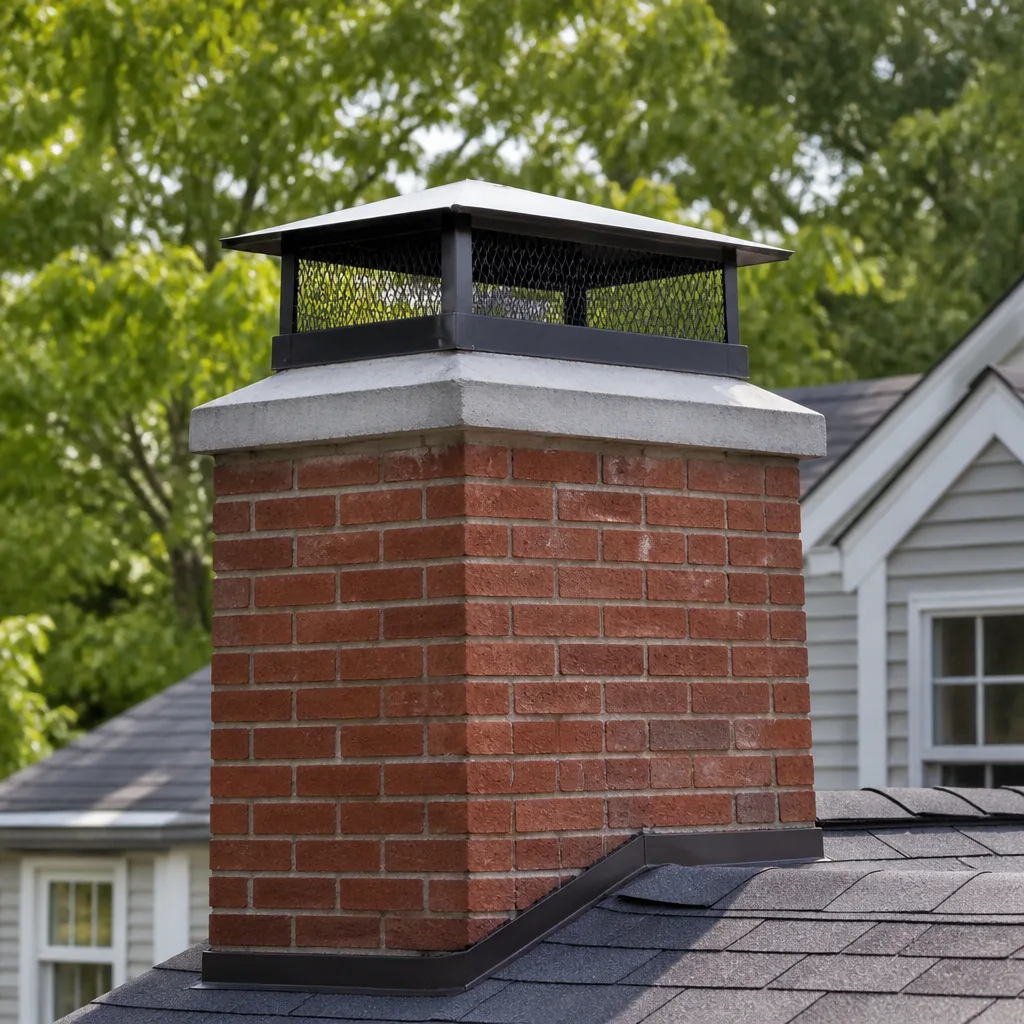
If a cap is damaged, replacing it with a properly sized, screened model is a small job that prevents bigger ones. We fit caps and dampers as part of our repair work, using components from professional supply lines like Gelco and Olympia Chimney rather than whatever a big-box shelf happens to stock.
Pre-Fire-Season: Sweep, Inspect, Test, in That Order
In October, before your first fire of the season, the sequence is sweep first, inspect second, test third. Doing them out of order costs you money. A sweep clears the flue so the inspection can actually see the lining; a test fire confirms the whole system drafts and vents correctly. Skip the order and you either inspect a dirty flue or light a fire without knowing what’s inside it.
Here’s the correct sequence and why each step matters:
- Sweep. Remove soot and creosote from the flue so the camera and the eye can see the liner, the smoke chamber, and the damper. A clean flue is the only flue you can inspect accurately.
- Inspect. Check the flue lining, joints, smoke chamber, damper, cap, and crown. Our inspection includes a camera and a photo report, so you see what we see.
- Test. Light a small fire and watch the draft. Confirm smoke goes up the flue, not into the room, and that the damper responds.
Why does order matter so much? A dirty flue hides problems. Creosote and soot coat the lining and fill the joints, so an inspection done before a sweep can miss a cracked flue tile or a gap in the liner. The sweep clears the picture. And a test fire after the inspection confirms the system actually works in your house, on your roof, at your elevation, not just on paper.
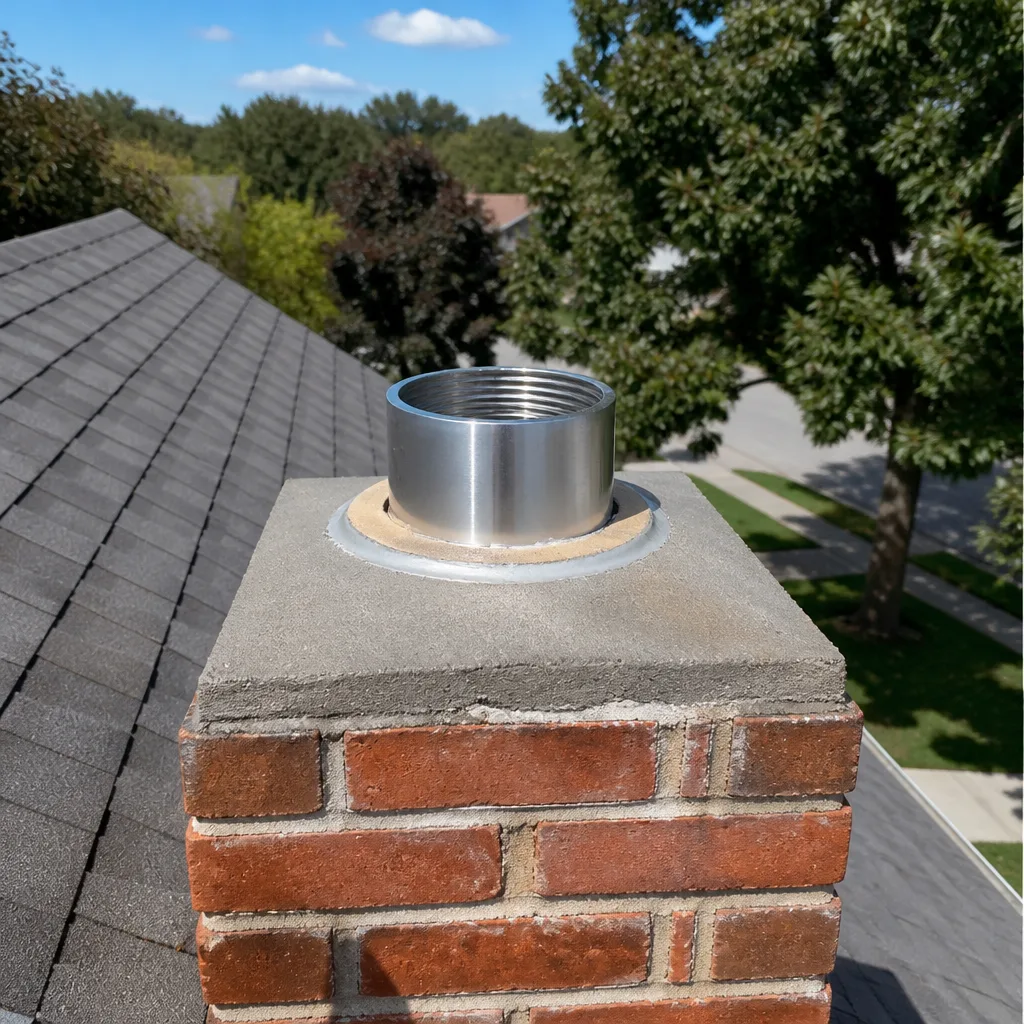
October is also the month to sort out any relining before the first burn. If the inspection finds a compromised liner, we install flexible liner systems like DuraFlex in-house, so the repair happens on the same visit rather than after a second appointment weeks later. Scheduling your sweep early in October beats waiting until the first cold night, when everyone else remembers their chimney at the same time.
Post-Fire-Season: The February-to-March Closing Sweep
Closing the fire season with a sweep in February or March protects your flue better than waiting until fall. The logic is simple: the soot and creosote you leave in the flue in spring sit there all through the hot, dry off-season, and a flue that starts the summer clean suffers less than one that doesn’t.
Most homeowners assume a fall sweep is the only one that matters, but the closing sweep has its own job. During the winter, a working fireplace builds up creosote and soot that stays acidic and hygroscopic – meaning it draws and holds moisture. Through months of desert heat, that residue sits against masonry and metal, and when the monsoon finally arrives, it’s the first thing the water contacts. A flue swept in late winter goes into the off-season clean and dry, which is exactly how you want it to sit.
The closing sweep also catches winter problems while they’re fresh:
- Creosote that built up during a heavy-use winter, removed before it hardens further.
- Any damage that showed up after a season of fires, seen before the off-season makes it worse.
- A damper and cap checked at the end of use, not the beginning.
- A photo report of the flue’s condition, so you have a baseline to compare against next fall.
In our experience, homeowners who adopt a two-sweep year (a closing sweep in late winter and a pre-season sweep in early fall) end up with fewer surprises and less repair work overall. The flue spends less time holding residue against its surfaces, and each inspection has a clean starting point.
The Hot Off-Season: Keeping the Flue Healthy When You’re Not Using It
From April through September, your chimney sits idle through the most punishing stretch of the year. Dry heat, blowing dust, and then monsoon rain all happen while nothing is burning, so most of the damage a chimney accumulates happens in the off-season. A few habits keep it healthy.
First, keep the damper closed. An open damper is an invitation for dust and, during monsoon, for water that finds its way past a failed cap. Second, keep an eye on the chimney exterior a few times over the summer. A new crack, a chalky bloom, or a flake of brick face is easy to spot from the ground and worth addressing before it grows. Third, after any major dust storm or the first hard monsoon rain, take a quick look at the cap and the firebox for signs that something got in.
The off-season is also the ideal time to book the work you keep putting off. Repair crews are less backed up in the hot months than in the fall rush, the roof is accessible, and curing conditions for mortars and sealants are predictable. If you know your crown is cracked or your damper sticks, summer is the season to fix it, not October when everyone else is calling.
One more off-season task worth folding into the rhythm: dryer vent cleaning. Lint buildup in a dryer vent is a fire hazard in the same family as a loaded flue, and the same safety-first approach applies. Pairing the two on one visit keeps both of your home’s major fire-risk venting systems in hand. We’ll tell you honestly when a vent has more time and when it needs attention now.
A Month-by-Month Chimney Calendar for Tucson
Here’s the whole year in one place. This is the rhythm we recommend to homeowners across Tucson, laid out so you can book the right work at the right time.
- March-May (dry, warming): Book the pre-monsoon repair slot. Sealing crowns and repairing mortar now, before the rain, is the single highest-value piece of seasonal chimney care in Tucson.
- May-June (dry heat): Complete crown sealing, flashing repair, and any exterior masonry work. Materials cure best in these conditions.
- July (early monsoon, haboobs): After a dust storm, check the cap, screen, and damper. Clear a clogged screen before it affects drafting.
- August-September (monsoon aftermath): Inspect the chimney for water intrusion: efflorescence, spalling, rust, and damp patches. Address any damage before the dry heat returns.
- October (pre-fire-season): Sweep, then inspect, then test. Do them in that order, and complete any relining before the first burn.
- November-February (fire season): Use the fireplace, watch the draft, and check the cap after any big dust event or storm.
- February-March (closing the season): Do the closing sweep so the flue sits clean and dry through the hot off-season.
- April-September (off-season): Keep the damper closed, spot-check the exterior, and book any repair work while access is easy.
Written out this way, the year looks like a lot of chimney care. It isn’t. Two sweeps, one inspection around the pre-fire season, and a repair visit when something needs it. That’s the whole maintenance rhythm. Most of it is checks you can do from the ground.
Common Mistakes to Avoid
- Sweeping only in the fall. A fall sweep is important, but a flue that sits dirty through a Tucson summer starts the next season behind. The February-to-March closing sweep is the one most homeowners skip and shouldn’t.
- Inspecting before sweeping. Creosote and soot hide cracks and liner gaps. A chimney has to be swept before it can be inspected accurately, or you’re paying for a picture of the dirt.
- Ignoring the cap and screen. In Tucson, a compromised cap is the number-one way monsoon water gets in and the main reason haboob dust reaches the firebox. A cap that’s loose or clogged should be fixed before the next storm.
- Waiting for fall to repair. Crown cracks and mortar damage seen after monsoon should be fixed in the dry months, not in the fall rush. October is when everyone calls at once, and repairs get backed up.
- Assuming a water leak is a roof leak. Damp patches near the firebox and efflorescence on the chimney exterior point to the chimney itself, not the roof. Trace the water to the right source before calling a roofer.
- Skipping the test fire. A clean, inspected flue can still draft poorly if the cap, damper, or smoke chamber needs attention. Light a small test fire before the first real one of the season and watch the smoke.
- Forgetting the dryer vent. Many Tucson homes treat lint buildup as an afterthought. A loaded dryer vent is a fire hazard on the same short list as a loaded flue, and it deserves a spot in your annual rhythm.
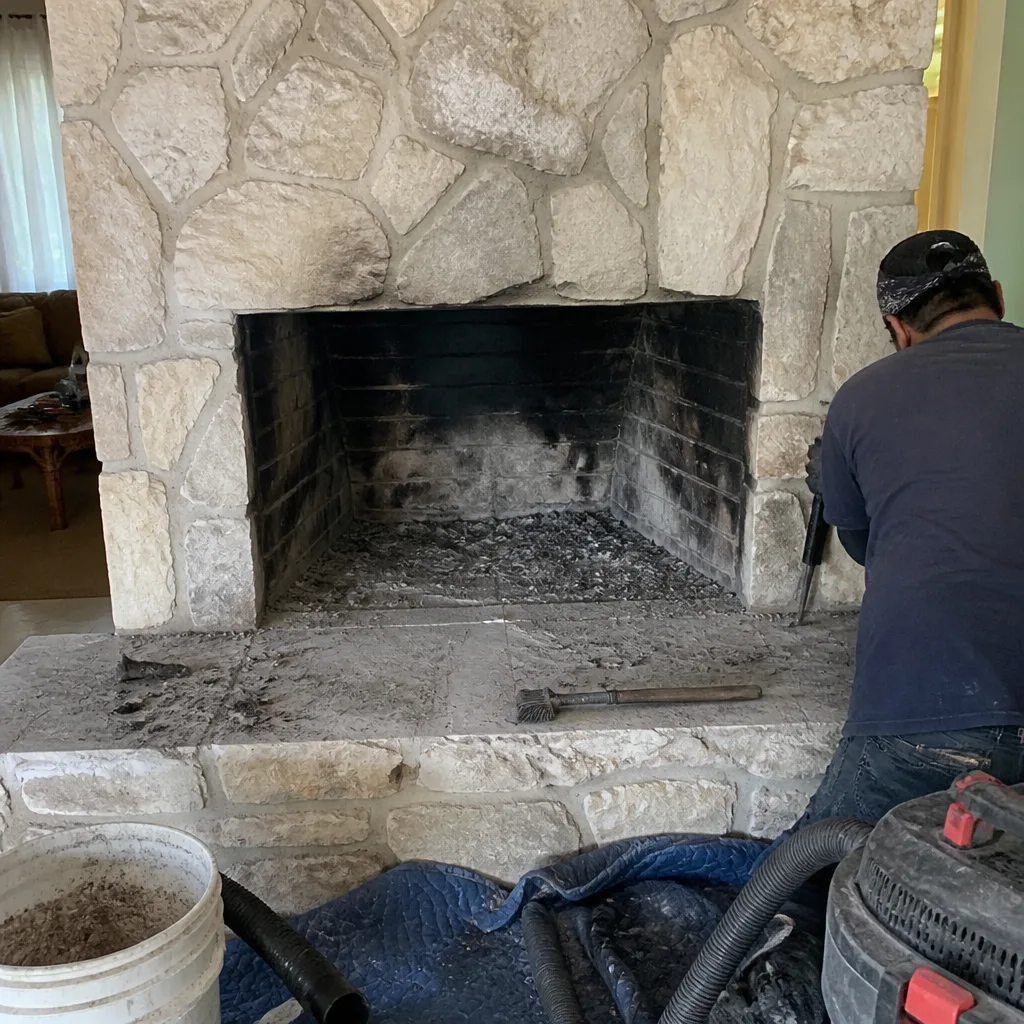
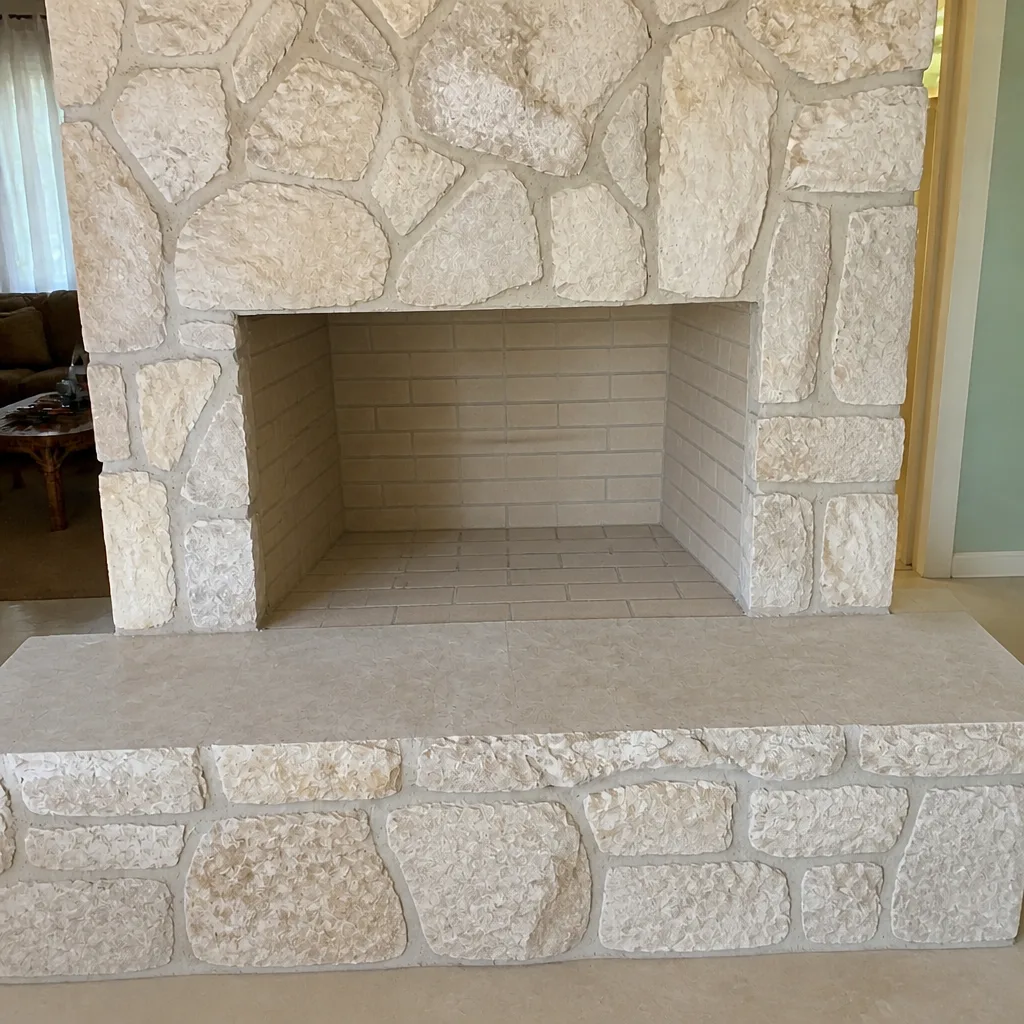
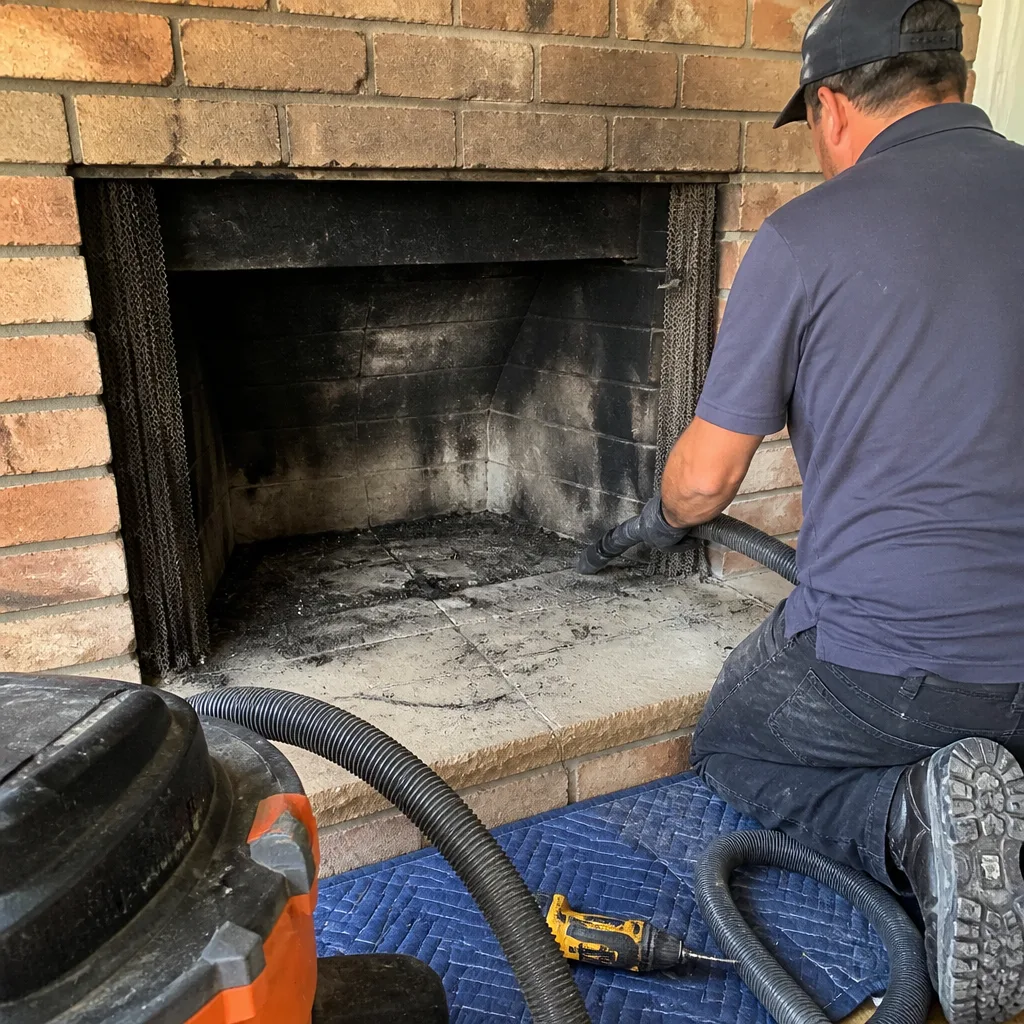
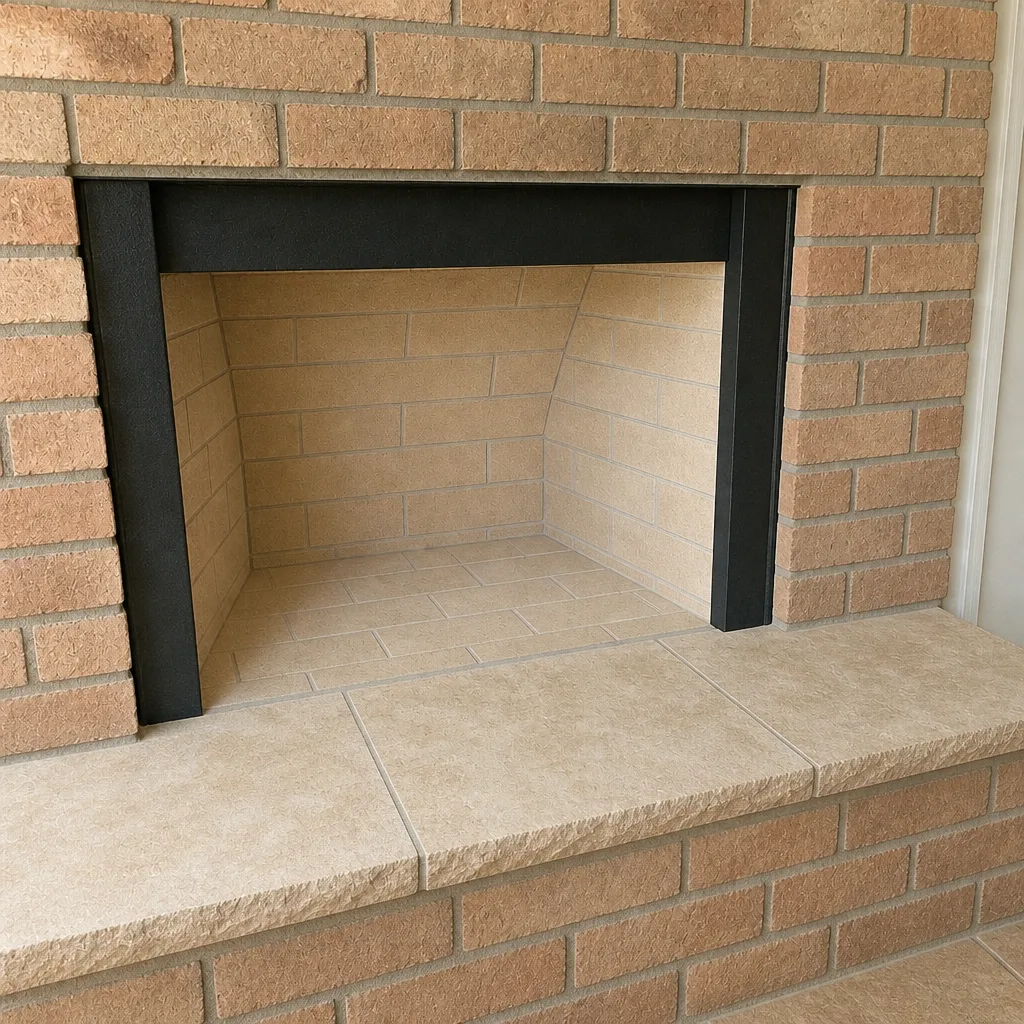
See the difference
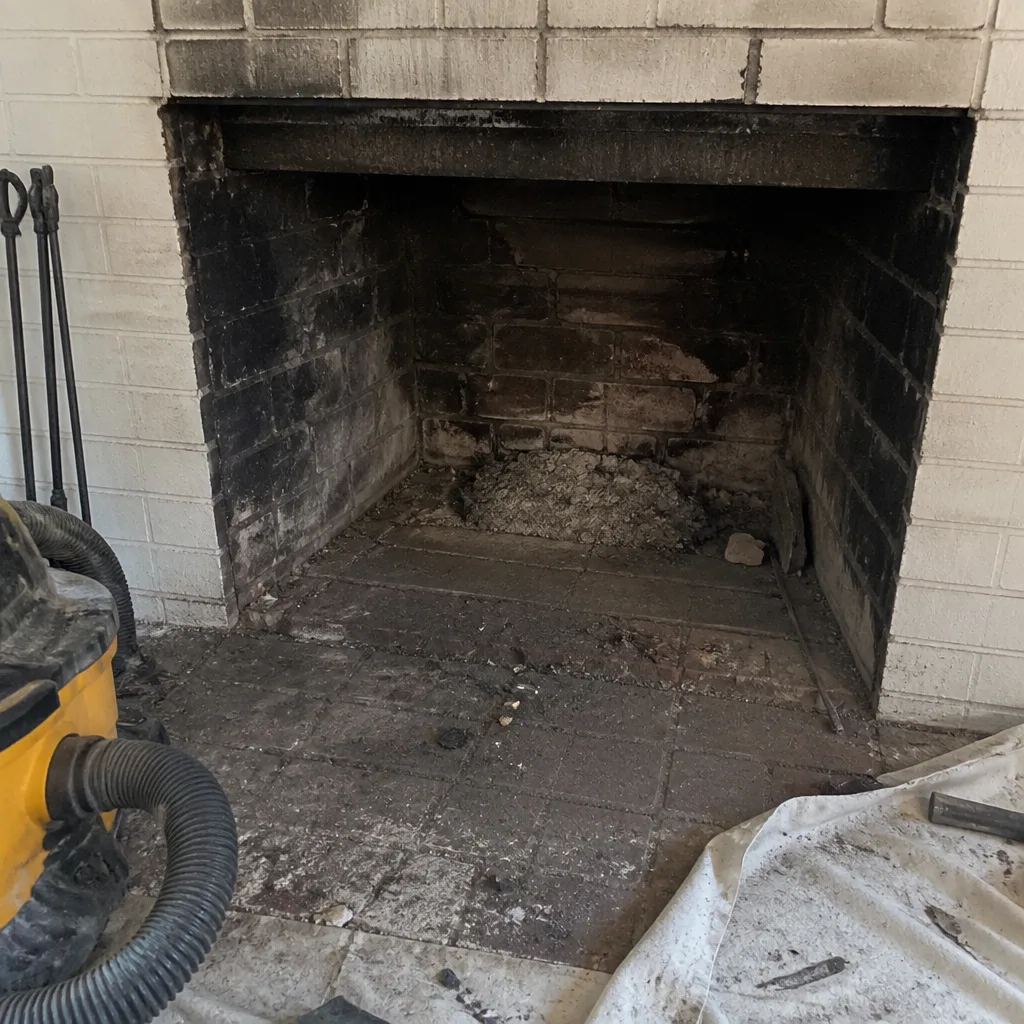 Before
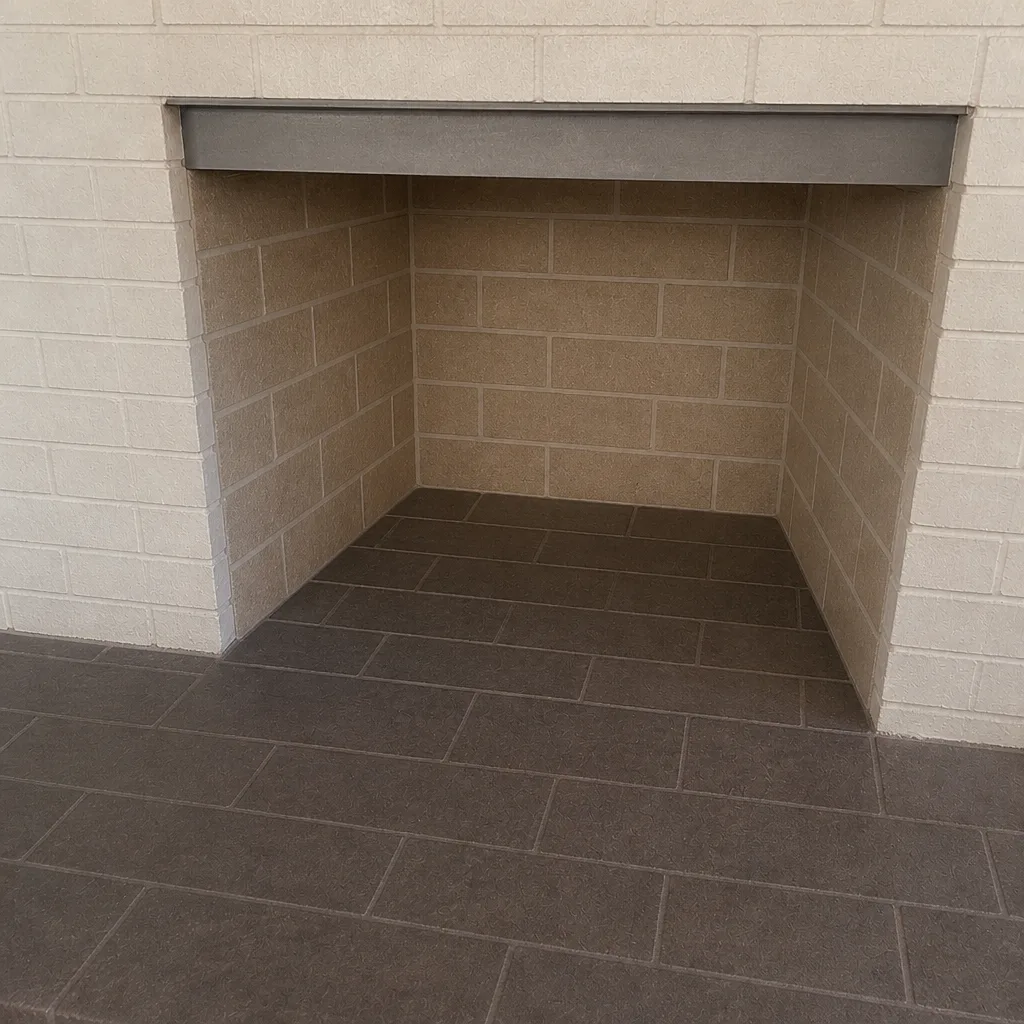 After
 Before
 After
 Before
 After
When to Call a Professional
Call a chimney specialist when you see efflorescence or spalling on the masonry, when a damp patch or musty smell appears near the firebox or damper after monsoon, when the cap is damaged or a screen is clogged, when the flue lining is cracked or missing, when the damper won’t close fully, or when you can’t remember the last time the chimney was swept. Creosote buildup, cracked linings, and water intrusion all live in places you can’t easily see, and a camera inspection is the only reliable way to know. Never try to work on a flue or dismantle a damper yourself; the flue carries combustion gases, and structural work there is a job for a trained professional. Tucson Chimney Sweep offers free estimates in Tucson. Call (855) 750-1719. We answer 24/7. Fast dispatch from 7am to 7pm, Sunday through Friday.
Frequently Asked Questions
Most Tucson homeowners do well with two sweeps: a closing sweep in February or March, and a pre-fire-season sweep in October after the monsoon has passed. A sweep on this schedule keeps the flue clean through the hot off-season and confirms everything is ready before you burn. If you burn heavily or notice draft problems, an extra mid-season inspection is worth it. Call (855) 750-1719 for a free estimate and we’ll help you set the right rhythm.
A standard chimney sweep in Tucson is typically priced per job by written estimate, based on the flue, the level of buildup, and whether an inspection is included. We give you the estimate up front, and our inspection includes a camera view and a photo report so you can see the flue for yourself. Call (855) 750-1719 to book your free estimate.
Yes, if the crown is cracked or pulling away from the flue. The crown is what sheds water off the top of the chimney, and in Tucson’s climate a failed crown lets monsoon rain soak into masonry that then bakes dry in the sun, which is how spalling starts. Sealing the crown in the dry heat of May or June is far cheaper than repairing the damage a wet cycle does. Call (855) 750-1719 to have your crown checked before the storms.
Efflorescence is the white, chalky bloom left when water carries salts out of masonry; spalling is when the brick face flakes off under the pressure of those salts. Both mean the chimney has been taking on water somewhere, usually the crown, flashing, or cap, and both show up fast in a climate that flips from soaked to bone-dry. Neither is purely cosmetic; both are the masonry telling you to find the leak. Call (855) 750-1719 for a free estimate and we’ll trace it to the source.
They can, mostly by clogging or loosening what’s on top. A dust storm can pack a cap screen with grit and shift a cap that wasn’t firmly fastened, and both affect how the flue drafts. Check the cap after a major storm, and have a clogged or loose one cleared and refitted. Book an inspection if you’re not sure. Call (855) 750-1719 for a free estimate.
Skipping it lets two problems develop quietly: creosote buildup in the flue and water damage in the masonry. Both are far cheaper to address early. Creosote accumulates with every fire and a loaded flue is a real chimney fire risk; water intrusion slowly spoils brick and mortar. Neither announces itself at first. A camera inspection tells you exactly where you stand. Call (855) 750-1719. We answer 24/7. Fast dispatch from 7am to 7pm, Sunday through Friday.
The Bottom Line
Tucson’s chimney year runs on rain, dust, and dry heat, not deep frost. Repair and seal in the dry heat of May and June, assess water damage after the monsoon, check the cap after haboobs, sweep and test in the right order in October, and close out the season with a sweep in February or March. Two sweeps and one inspection a year is the whole rhythm, and it fits the weather you actually live in. If you want a specialist to handle the sweep, the repair, and the relining in one place, we do all of it in-house, using professional-grade materials and a camera inspection you can see. Call (855) 750-1719 for a free estimate.
Written by the team at Tucson Chimney Sweep, serving Tucson since 2018.