
Last updated November 14, 2026
 Sweep & inspection
 Caps & crowns
 Flue relining
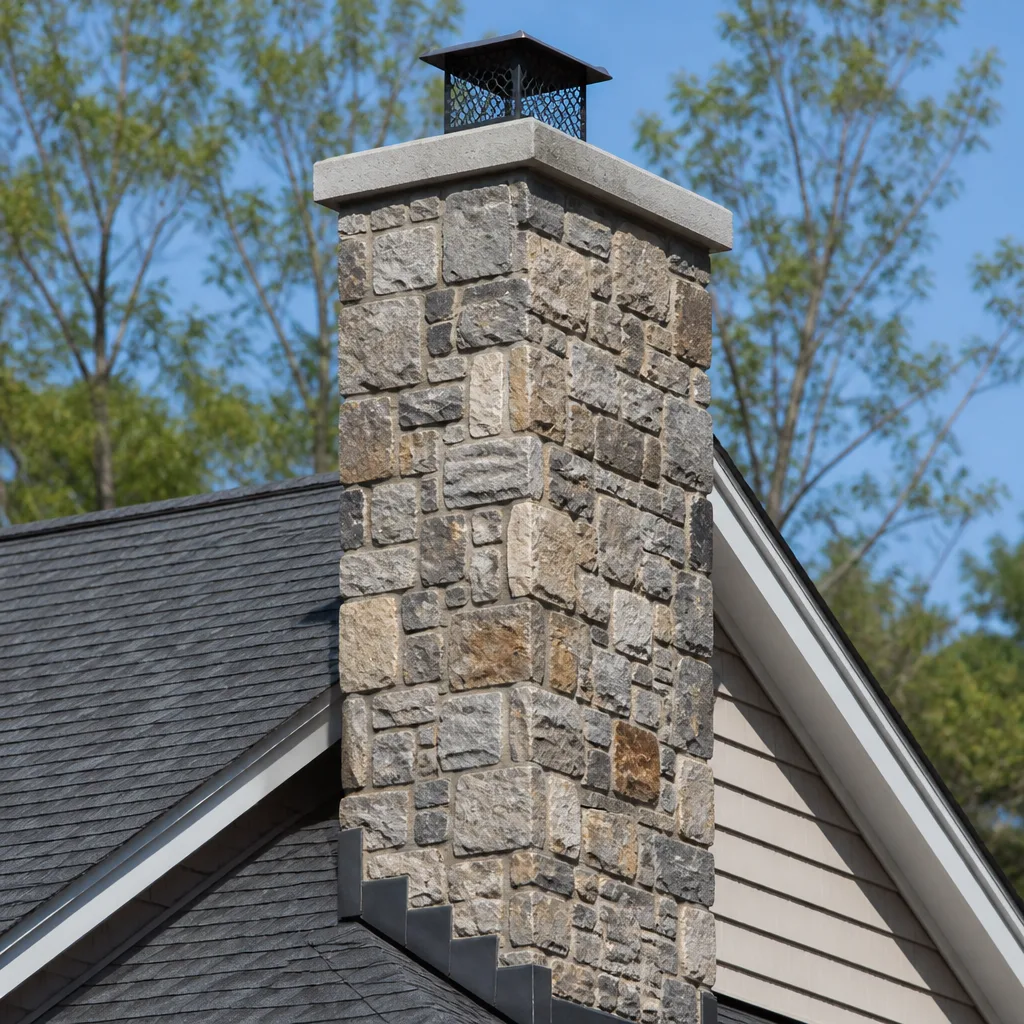 Masonry repair
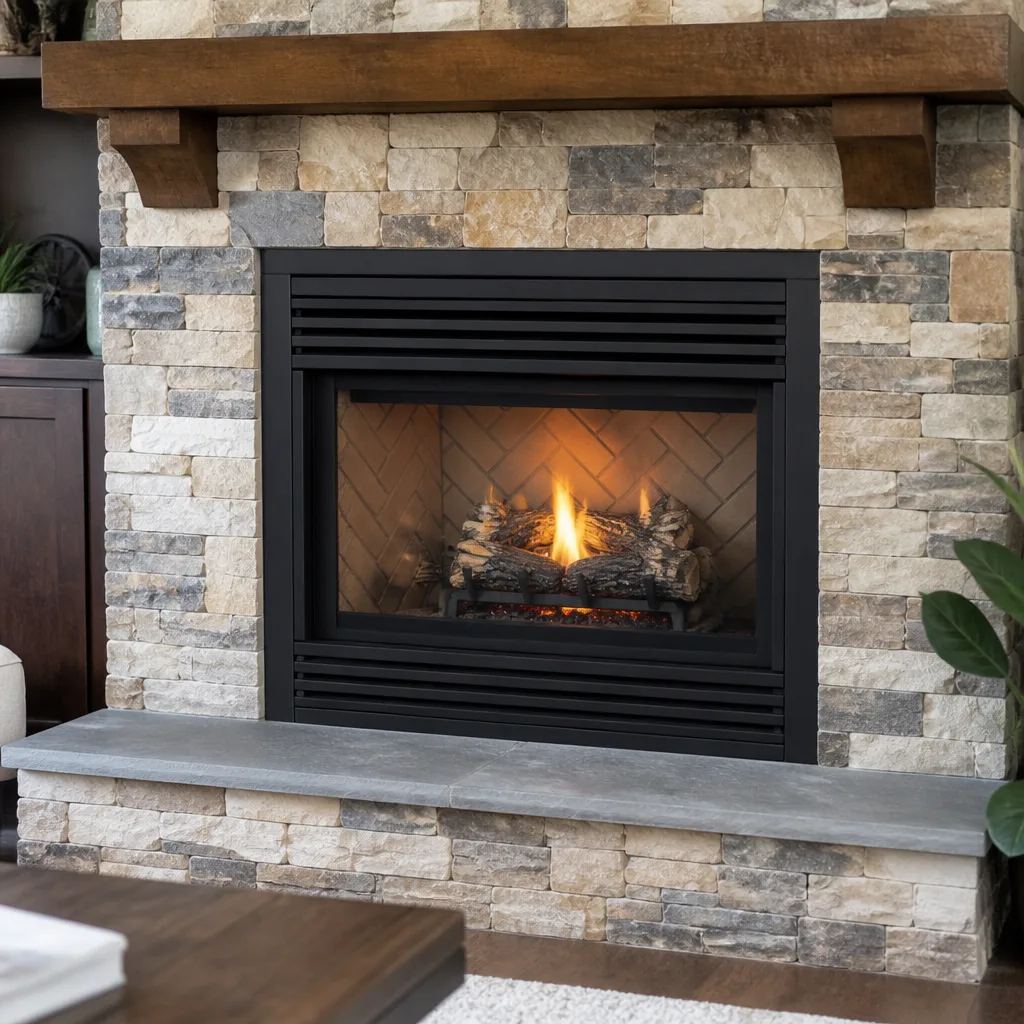 Gas fireplace service
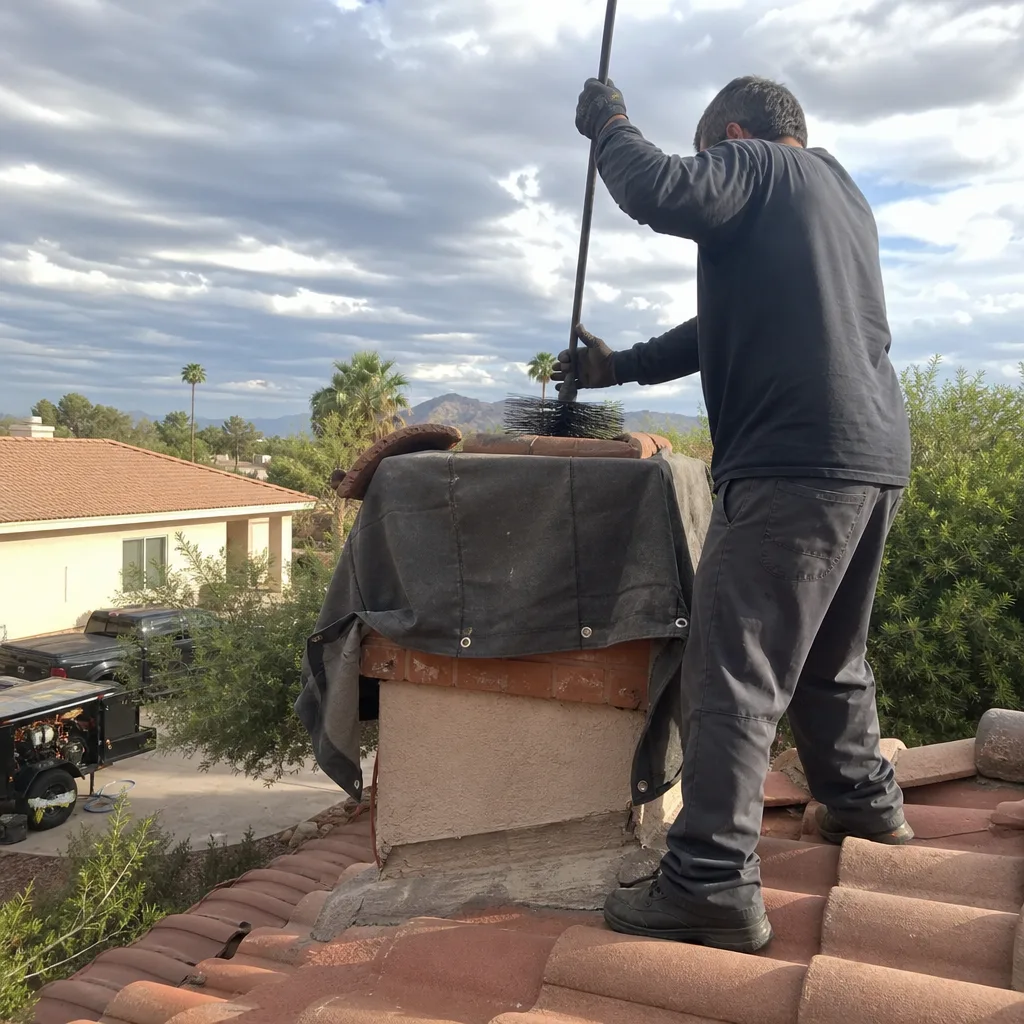
Level 1 sweep and inspection to the NFPA 211 annual standard - flue, crown, cap, and flashing checked and photographed
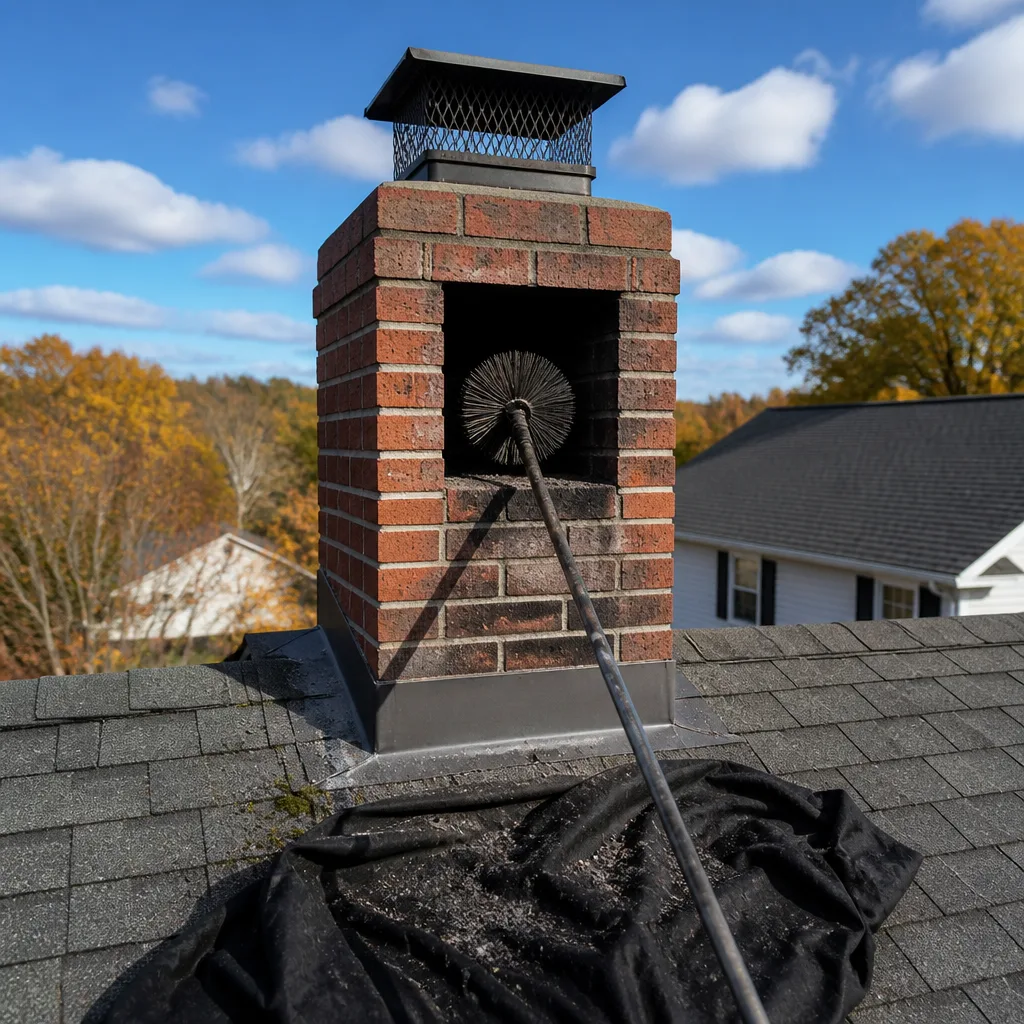
Chimney sweep logs do not sweep chimneys. They loosen some creosote - which then falls where a brush and vacuum still have to collect it.
Chimney Cleaning Cost Breakdown: The Tucson Homeowner’s Reference for 2026
A $79 chimney sweep and a $349 chimney sweep can both be fair prices. Or both can be rip-offs. The number alone tells you nothing without knowing what’s actually included, what equipment is being used, and what happens if they find something. In Tucson, we see quotes for the same single-flue fireplace sweep swing by a factor of three or more, and homeowners are almost never told why. This guide breaks down every cost driver behind a cleaning: labor, inspection level, camera documentation, vacuum grade, and disposal. You’ll learn what a fair 2026 baseline looks like in Tucson, how to read a quote line by line, and when an add-on is legitimate versus when it’s a sales tactic.
Quick Answer
A standard single-flue fireplace sweep with a Level 1 inspection in Tucson typically runs $175 to $250 in 2026. That price should include a professional-grade HEPA vacuum, a visual inspection of the firebox, damper, and flue, and basic documentation of what was found. Anything above that range needs a written reason: heavy creosote, a long or offset flue, a Level 2 camera inspection, or repair work that goes beyond cleaning. Prices are estimates, and the written estimate always sets the final price.
Styles & brands we work with
- Sweep & inspection
- Caps & crowns
- Flue relining
- Masonry repair
- Gas fireplace service
Table of Contents
- What actually drives chimney cleaning cost in Tucson?
- What are the going rates in Tucson for 2026?
- How do inspection levels change the price?
- Why does vacuum equipment matter to your wallet?
- Which add-ons are reasonable on a first visit?
- How do you compare quotes honestly?
- What about dryer vent cleaning pricing?
- Common mistakes to avoid
- When to call a professional
- Frequently asked questions
What actually drives chimney cleaning cost in Tucson?
Six things move the price of a chimney cleaning, and a legitimate quote will account for each one. When a provider quotes a flat number without asking about your flue, your fuel type, or your last sweep date, they’re guessing. And the guess usually protects them, not you.
Here’s what separates a $175 job from a $350 job for the same house on paper:
- Sweep labor. A straight vertical flue on a single-story home is quick work for a trained technician. An offset flue, a steep roof pitch, a flue that runs through an interior chase, or a wood stove with a baffle that has to come out all add time. Labor is the largest line item in any quote.
- Inspection level. A Level 1 visual inspection comes with a standard sweep. A Level 2 inspection with a camera adds real time and equipment cost. More on this below.
- Camera documentation. Photos and video of the flue interior take extra time to capture and review with you. Some providers include it; others charge for it separately. Ask.
- Vacuum equipment grade. An industrial HEPA vacuum with enough suction to hold a sealed flue under negative pressure costs significantly more to buy and maintain than a shop vac. That cost is real, and it shows up in the price.
- Creosote condition. Light, dry soot brushes out. Glazed, hardened creosote takes more time and different tools, and in some cases a chemical treatment before brushing is even possible.
- Disposal. Soot and creosote have to be bagged and removed. It’s a small line item, but it’s part of a complete job.
In Tucson, the fuel type shapes this list more than anything else. Mesquite and other hardwoods burn hot and leave dense creosote. Gas inserts leave almost no soot but need their own inspection attention. A quote that doesn’t ask what you burn isn’t a quote; it’s a number.
What are the going rates in Tucson for 2026?
Here’s the baseline picture for a standard residential cleaning in the Tucson market. These are typical estimated ranges, not exact prices, and every situation gets its own written estimate.
- Single-flue fireplace sweep with Level 1 inspection: $175 to $250. This is the core service and the number most homeowners actually pay.
- Wood stove sweep: $200 to $300. Baffles, dampers, and tighter clearances add labor.
- Gas insert cleaning and inspection: $150 to $225. Less soot, but the appliance has to be checked properly.
- Level 2 camera inspection (standalone or added): $100 to $200 added to the sweep. Camera work through the flue and, where applicable, the attic and roof.
- Heavy creosote removal: $75 to $200 added, depending on how much glazed creosote is present and whether chemical treatment is needed first.
- Chimney cap installation: $150 to $400 for the cap and labor, depending on size and material.
- Damper replacement: $250 to $550, depending on the damper type and access.
- Dryer vent cleaning: $100 to $175 for a standard residential run.
If you’re quoted $79 for a full sweep with inspection, ask what’s included. Often that price covers a surface brush-down of the firebox only, with the flue itself, the damper, and the cap left untouched. And if you’re quoted $500 for a basic single-flue sweep with nothing extra, ask for the itemization. In both cases, the answer tells you what you need to know. If a quote comes in far below or far above these ranges, the useful question isn’t “why so cheap?” or “why so expensive?” but “what’s the difference?” The answer is usually labor time, equipment, or scope.
Two things are worth saying plainly. First, these are estimates, and the written estimate you receive sets the final price. Second, the estimate itself is free. There’s no reason to commit to anything before you’ve seen a number in writing.
How do inspection levels change the price?
Chimney inspections come in three recognized levels, and the level you need determines how much time and equipment go into the visit. This is one of the least understood parts of chimney pricing, and it’s where a lot of confusion starts.
- Level 1 inspection. A visual check of the readily accessible portions of the chimney: firebox, damper, flue from the firebox up as far as can be seen, and the exterior where visible. It comes with a routine annual sweep. This is what most homeowners need most years.
- Level 2 inspection. Everything in Level 1, plus a camera run through the flue, and inspection of accessible attic and roof areas. The camera shows the inside of the flue: cracks, gaps in the liner joints, offsets, and obstructions. This level is called for after a chimney fire, after any change to the appliance or fuel type, when you buy a home, or whenever a Level 1 turns up something that needs a closer look. It costs more because it takes more time and equipment, and it’s the level that produces the photo documentation homeowners actually need to evaluate repair recommendations.
- Level 3 inspection. The most involved level. It’s used when a serious hazard is suspected and parts of the chimney or building construction have to be opened up to see the problem directly. Rare, but real when it’s needed.
In Tucson, we recommend a Level 2 inspection for any home where the fireplace hasn’t been serviced in years or the seller’s disclosure doesn’t spell out the last sweep date. Older homes around central Tucson and the neighborhoods near the university often have original masonry chimneys that have never had a camera through them. That’s the exact situation where a Level 2 inspection earns its cost, because you find out whether the liner is intact before you light the first fire of the season.
Ask any provider which level their quote covers. “Inspection included” means nothing until you know which level.
Why does vacuum equipment matter to your wallet?
This is the hidden cost driver that most homeowners never think about, and it’s the one that most often costs them money in the long run. A chimney sweep without proper negative-pressure equipment doesn’t just do a lesser job. It pushes soot and fine ash into the room. Then you’re paying for a deeper house cleaning, or worse, dealing with soot residue in upholstery and on surfaces for weeks.
Industrial HEPA vacuums set up with a sealed flue connection hold the chimney under negative pressure while the brush runs. Every bit of soot goes up and out through the vacuum rather than into your living room. These machines cost real money to buy and maintain. Filters get replaced. Hoses wear. The suction has to be right every single time. That overhead is baked into the price of a professional sweep, and it’s worth every dollar of it.
Here’s the practical test for a homeowner:
- Ask what vacuum the technician uses. If the answer is vague, that’s information.
- Look at the setup when they arrive. Is there a sealed connection at the firebox, or is the vacuum just running in the room?
- Ask whether the flue is held under negative pressure during the sweep. A professional will know exactly what you mean.
When a crew arrives with professional-grade equipment and the job is done right, you’re not paying for the machine. You’re paying to not have a secondary cleaning bill, and to not have soot where it doesn’t belong. The liner and the equipment matter as much as the cleaning itself, because a sweep that leaves debris behind or misses a liner defect isn’t a sweep. It’s an unfinished job.
Which add-ons are reasonable on a first visit?
Here’s where we see the most confusion, and where the trust conversation really happens. A first inspection on a Tucson home that’s 15 years old or more will often turn up something. The question is what’s reasonable to find, and what should wait.
Reasonable findings that often justify an add-on:
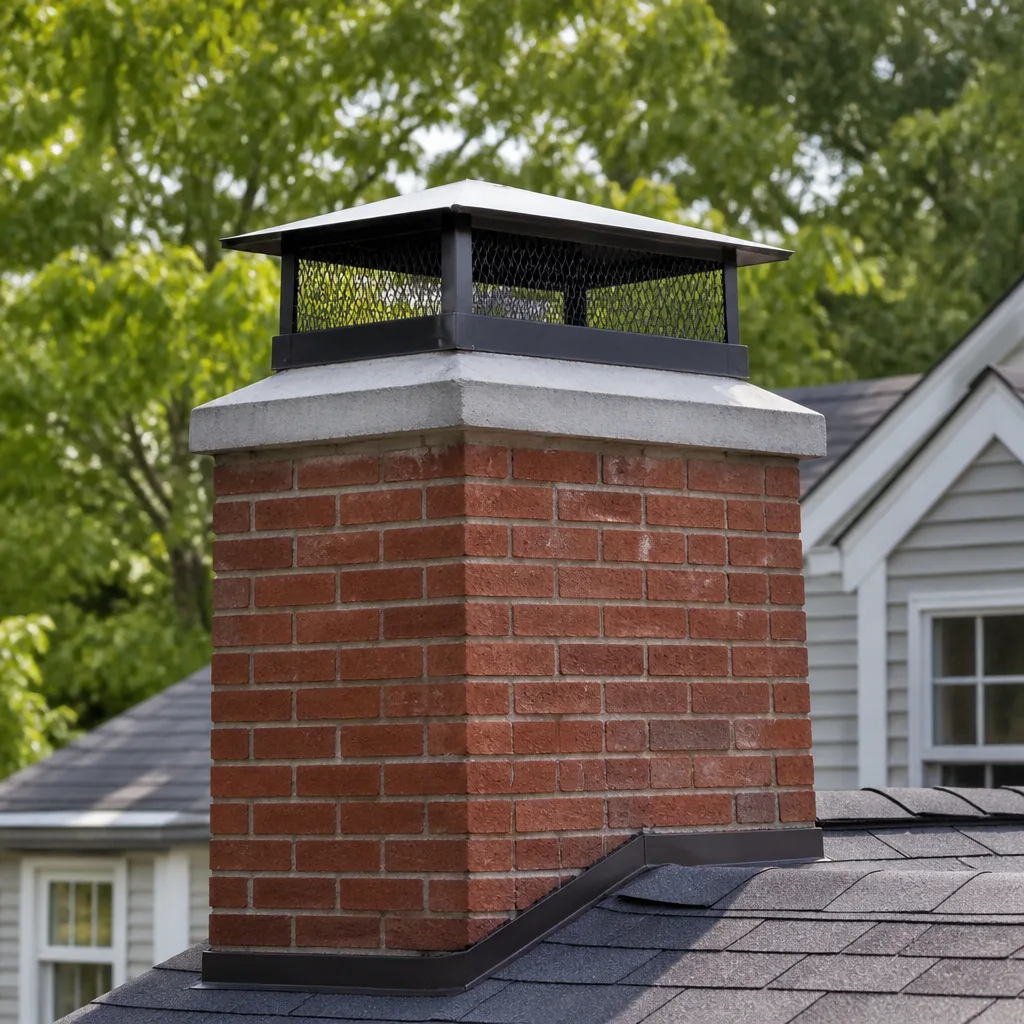
- A missing or damaged chimney cap. Caps keep rain, birds, and debris out of the flue. If yours is gone or rusted through, replacing it is a straightforward fix and a sensible one. Installing a cap is exactly the kind of job that pays for itself in avoided problems.
- A damper that won’t seal. A damper that doesn’t close properly means heat loss when the fireplace is off and harder control when it’s on. Replacement is a real repair, and the cost is real too.
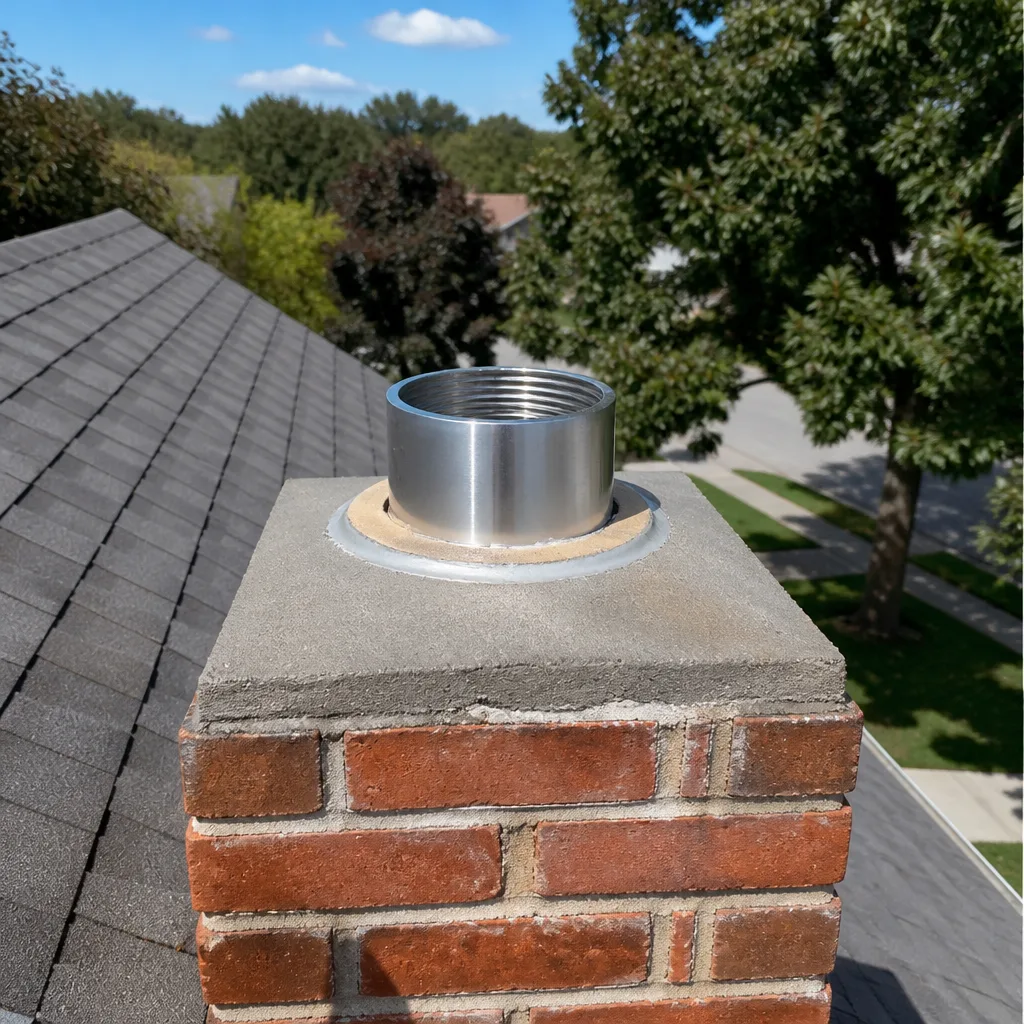
- Deteriorated mortar joints in the firebox or flue. Common in older Tucson homes. This is where the difference between a sweep-only operator and a specialist shows up. Some providers can only tell you what’s wrong and hand you off to a mason. We handle the repair in-house, including HeatShield ceramic resurfacing for flues that need structural restoration without a full rebuild.
- Liner damage found on camera. A cracked or deteriorated liner is a genuine safety concern, because it’s what keeps combustion gases inside the flue and away from the structure of the house. Relining with a system like DuraFlex is a significant repair, and it needs to be based on camera evidence, not a guess.
What should wait, or never happen:
No one should recommend a repair they can’t show you. Anything a technician finds should come with a photo or video from the camera inspection, and you should be able to see the problem on the screen before you agree to anything. A recommendation for a full reline with no camera documentation to back it up is not a recommendation; it’s a sales pitch.
And it’s fine to hear “this can wait.” Some findings, like minor surface wear or an aging but intact cap, don’t need to be fixed this season. A provider who tells you that is giving you more information than a provider who upsells everything. The scan is honest, and the recommendation should match what the camera shows.
How do you compare quotes honestly?
Comparing quotes is only meaningful if they cover the same work. The number alone is useless. A $150 quote and a $300 quote for “a chimney sweep” might be quotes for completely different jobs, and the only way to know is to make each contractor put the specifics in writing before you compare.
Use this checklist with every provider. Ask them to write the answers into the quote:
- Which inspection level does the price include? Level 1, 2, or 3. Not “inspection included.”
- Is camera documentation part of the price, and do I get the photos or video? If not included, what does it cost to add?
- What equipment do you use for dust control? Ask specifically about HEPA vacuum and negative-pressure setup.
- What’s the total price, all in? Get the sweep, inspection, disposal, and any standard documentation in one number before you compare.
- What is not included? This is the single most useful question. It tells you what the add-on conversation will look like before the technician arrives.
- Who does the repair work if something is found? In-house, or referred out? If it’s referred out, you’re likely paying for two visits and losing continuity.
- Is the estimate written and free? A legitimate provider gives you a written estimate at no cost. A provider who wants a deposit before quoting is a red flag.
Once you’ve got those answers in writing, compare the total prices side by side. The cheapest number is often the one with the fewest answers attached to it. The highest number isn’t automatically the safest either. What matters is whether the quote explains itself, and whether the explanation holds up when you ask the next question.
What about dryer vent cleaning pricing?
Dryer vent cleaning in Tucson typically runs $100 to $175 for a standard residential installation. That covers the run from the dryer to the exterior vent, including the transition duct behind the appliance and the vent hood outside.
It’s worth a section of its own in a chimney cleaning guide because it’s the second fire-risk system in the house that most homeowners never think about, and it’s the one that a chimney specialist is well-equipped to handle because the same safety-first methodology applies. Lint builds up in the duct over time. It restricts airflow, it makes the dryer work harder, and lint is combustible. The same care that goes into keeping a flue clear applies here.
A few things push the price above the baseline:
- Long or convoluted duct runs. A straight exterior wall duct is quick. A duct that runs through the attic or makes multiple turns takes more time and specialized equipment.
- Heavy lint accumulation. If it’s been years since the last cleaning, there’s more material to remove.
- Rigid versus flexible duct. Rigid metal duct is generally easier to clean thoroughly. Flexible foil duct traps more lint and can be harder to do well. In some cases it needs to be replaced rather than cleaned.
Combining a chimney sweep and a dryer vent cleaning on one visit usually makes sense for the homeowner’s schedule. It’s two fire hazards handled in one call, and it’s the kind of combined visit that’s worth asking about when you book.
Common Mistakes to Avoid
- Judging a quote by the number alone. A $79 sweep and a $349 sweep might be doing entirely different work. Ask what’s included before you compare, or you’re comparing apples to nothing.
- Not asking which inspection level is included. “Inspection included” covers everything from a 30-second glance at the firebox to a full camera run with photos. The price difference reflects the difference in scope.
- Hiring a general handyman for a chimney job. The chimney is the one system in your home that vents combustion gases, and the liner is what keeps those gases contained. A specialist who stocks and installs professional-grade materials like Olympia Chimney and Gelco components is the right call for anything beyond a routine sweep.
- Accepting a repair recommendation without camera evidence. If a provider recommends a reline or masonry work, they should be able to show you the problem on screen. If they can’t, ask them to. Nothing should be recommended that you can’t see for yourself.
- Skipping the sweep because “we haven’t used the fireplace much.” Creosote doesn’t check its calendar. A chimney that sits unused for two seasons in a Tucson home is still a maintenance item, and a Level 1 inspection is a small cost compared to a problem that goes unnoticed.
- Forgetting the dryer vent. Two fire hazards in the house, and most homeowners only think about one. The vent is the one that gets neglected for years.
- Treating a first quote as final. Get two or three, ask each of them the same checklist questions, and compare the totals once all the answers are in writing. The picture looks different when the quotes actually say what they cover.
When to Call a Professional
Call a professional chimney specialist when you haven’t had the chimney swept or inspected in the past year, when you’ve just moved into a home with a fireplace and don’t know its history, or when you notice a strong creosote smell, visible soot around the firebox, or difficulty drafting. Call right away if you’ve had a chimney fire, even a small one, because the liner needs to be inspected before the fireplace is used again. Gas inserts and wood stoves have their own service schedules and deserve the same attention. And if your dryer has started taking longer to dry a load, check the vent before you assume the appliance is failing.
A sweep is a routine maintenance item, not an emergency, and it’s best booked before you need it. The mild Tucson winters mean the fireplace season is long, and the smart move is to have the chimney checked before the first cold night, not after. If you’re not sure whether you need a sweep or a repair, a free estimate is the right starting point. There’s no reason to guess. Tucson Chimney Sweep offers free estimates in Tucson. Call (855) 750-1719. We answer 24/7. Fast dispatch from 7am to 7pm, Sunday through Friday.
Frequently Asked Questions
A standard single-flue fireplace sweep with a Level 1 inspection in Tucson typically runs $175 to $250 in 2026, and the written estimate sets the final price. Heavy creosote, a long or offset flue, or a Level 2 camera inspection will push that number higher, and each of those should come with a written explanation. Call (855) 750-1719 for an exact quote. Estimates are free.
Only if a camera inspection shows that the existing liner is damaged, cracked, or has failed joints. The liner is what separates combustion gases from the structure of your house, so a compromised liner is a genuine safety concern and not something to put off. But the recommendation should be based on photos or video you can see yourself. If a provider tells you need a reline and can’t show you why, get a second opinion with a camera inspection. Call (855) 750-1719 and we can walk you through what the camera finds before anything gets decided.
Most homeowners should have the chimney swept and inspected annually, before the burning season gets going. If you burn wood regularly, you’re producing creosote every time you light a fire, and an annual sweep keeps it from building up to a level that’s hard to remove or risky to burn under. Gas inserts and wood stoves have their own recommended intervals, which a technician can walk you through. Call (855) 750-1719 to book a sweep before the season starts.
Creosote builds up in the flue with every fire, and at a certain point it becomes combustible. That’s the mechanism behind chimney fires, and it’s why annual sweeping matters. Separately, a blocked or deteriorated flue can let carbon monoxide back into the home instead of venting it outside. The risk builds slowly and quietly, which is exactly why skipping one season turns into skipping three. A routine sweep is a small cost compared to a repair or a fire. Call (855) 750-1719 to get on the schedule.
The range usually comes down to three things: what inspection level is included, what equipment the technician brings, and whether the quote accounts for your specific flue and fuel type. A provider who quotes without asking about those is either guessing or planning to find extra charges on site. Get each quote in writing with the exact scope spelled out, then compare the totals. Call (855) 750-1719 if you’d like to talk through what a fair quote should include for your home.
Yes. Both services can be booked together, and it’s a practical way to handle two fire-risk systems in one appointment. Dryer vent cleaning in Tucson typically runs $100 to $175 for a standard residential run, and pairing it with a sweep means one visit instead of two. Call (855) 750-1719 to book both. We answer 24/7.
The Bottom Line
The number on a chimney cleaning quote means nothing without the scope behind it. A fair 2026 price for a single-flue fireplace sweep with a Level 1 inspection in Tucson sits in the $175 to $250 range, and anything above or below that should come with a written explanation: heavy creosote, a camera inspection, difficult flue access, or add-on repair work. The three things that actually drive cost are labor time, inspection level, and equipment quality, and all three are things you can ask about before you book. Get quotes in writing, ask what’s not included, and insist on camera evidence before agreeing to any repair. A provider who shows you what they find, and tells you plainly when something can wait, is the one worth calling back.
chimney sweep and repair work in Tucson deserves a specialist who handles the full job in-house, from the initial sweep through liner work and ceramic resurfacing with brands like DuraFlex and HeatShield. Call (855) 750-1719 for a free estimate. We answer 24/7. Fast dispatch from 7am to 7pm, Sunday through Friday.
Written by the team at Tucson Chimney Sweep, serving Tucson since 2018.
See the difference
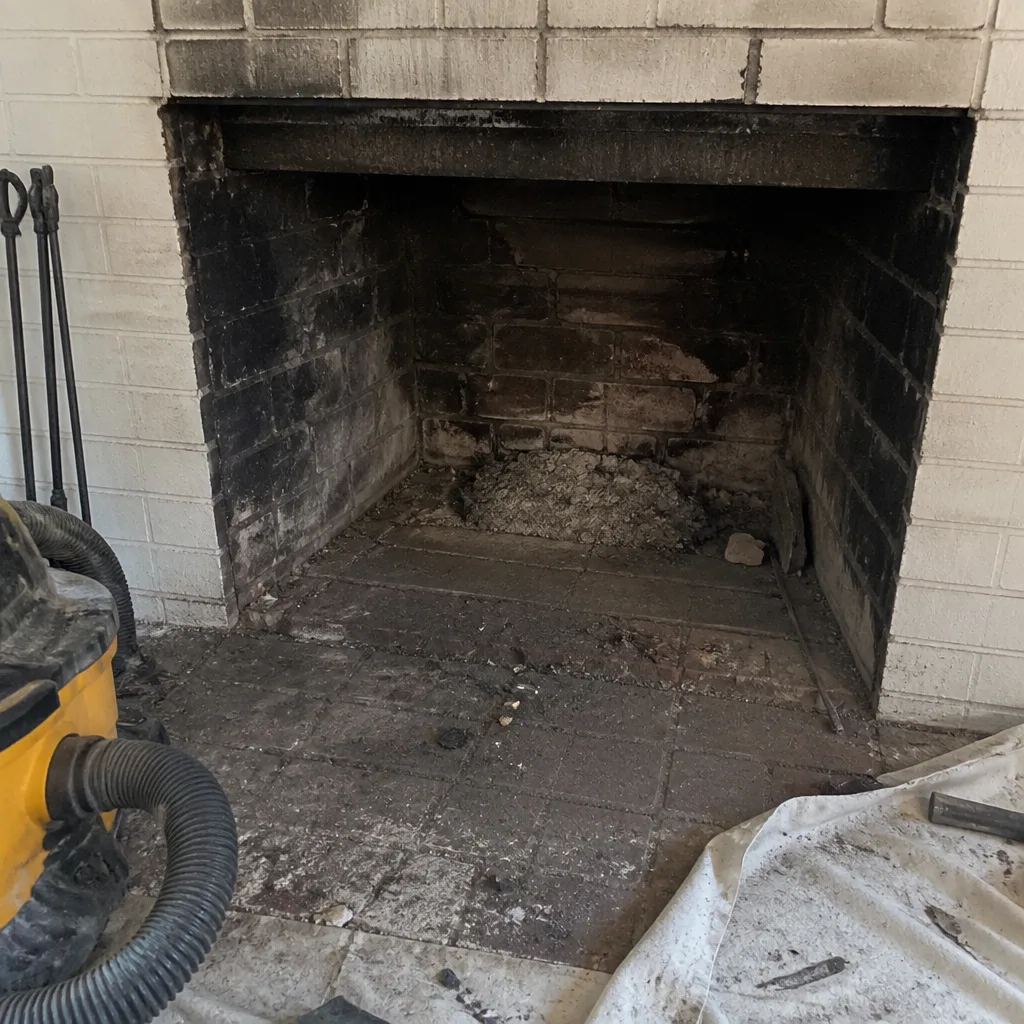 Before
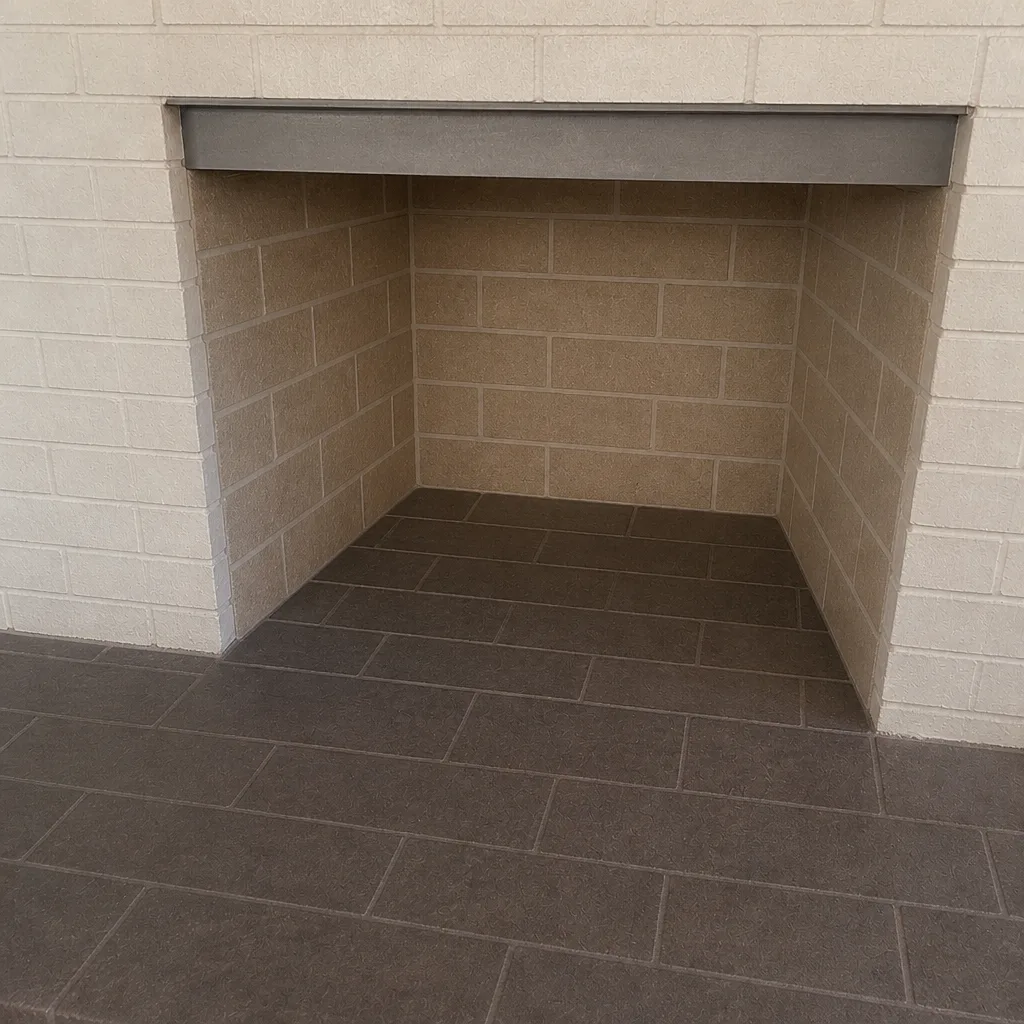 After
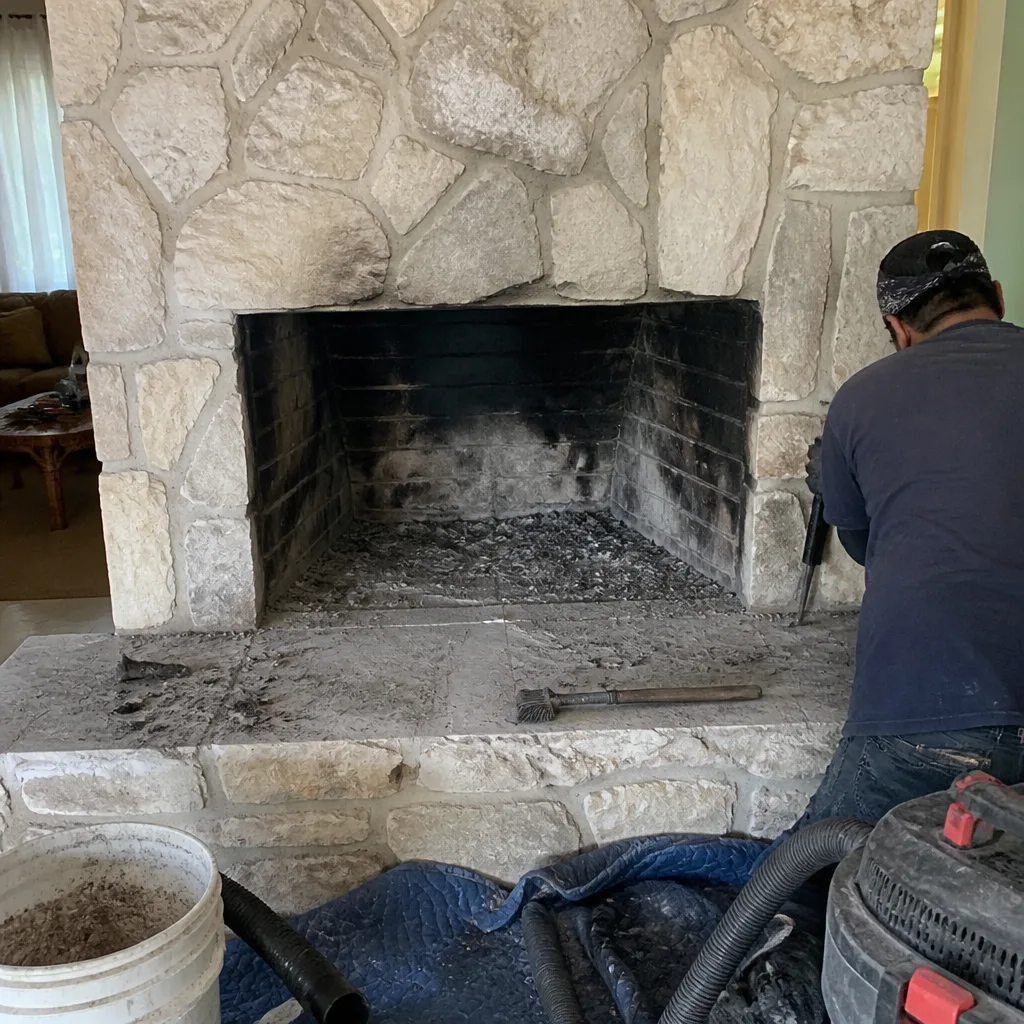 Before
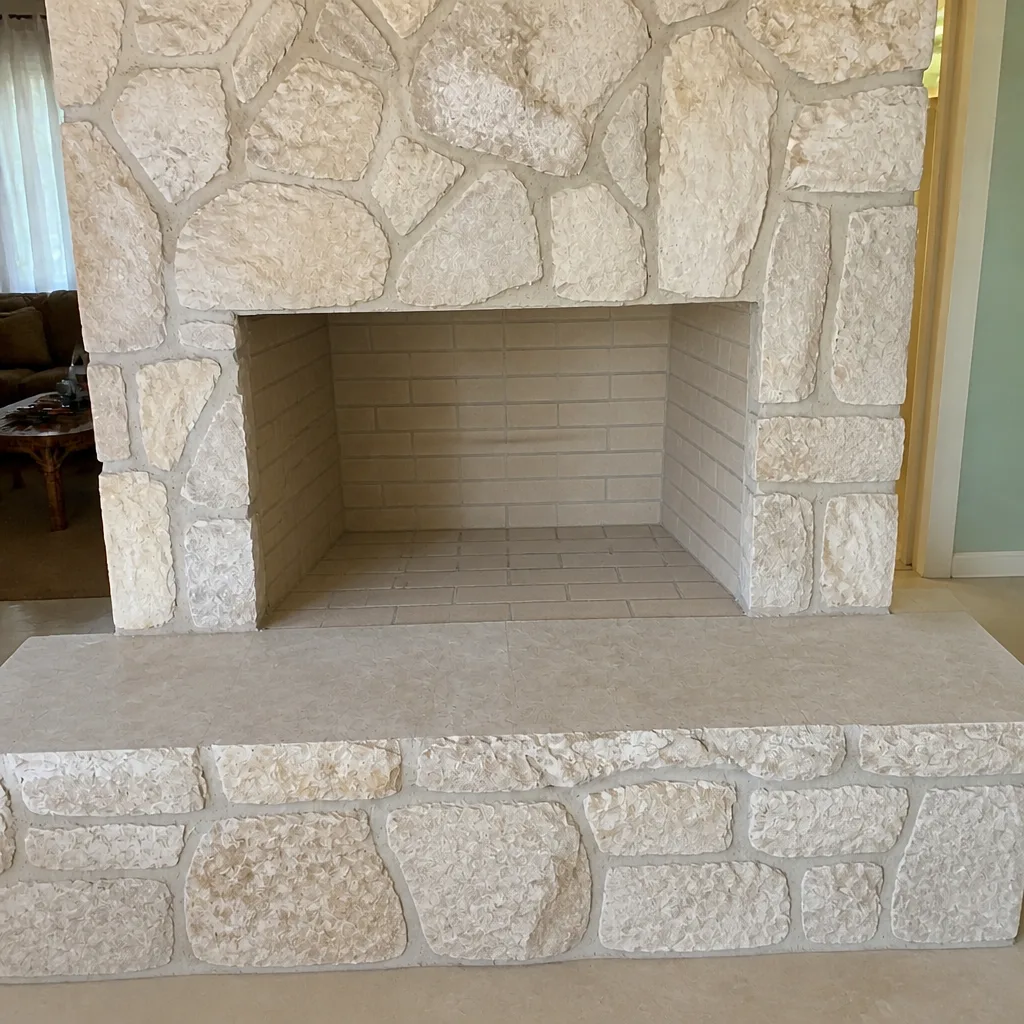 After
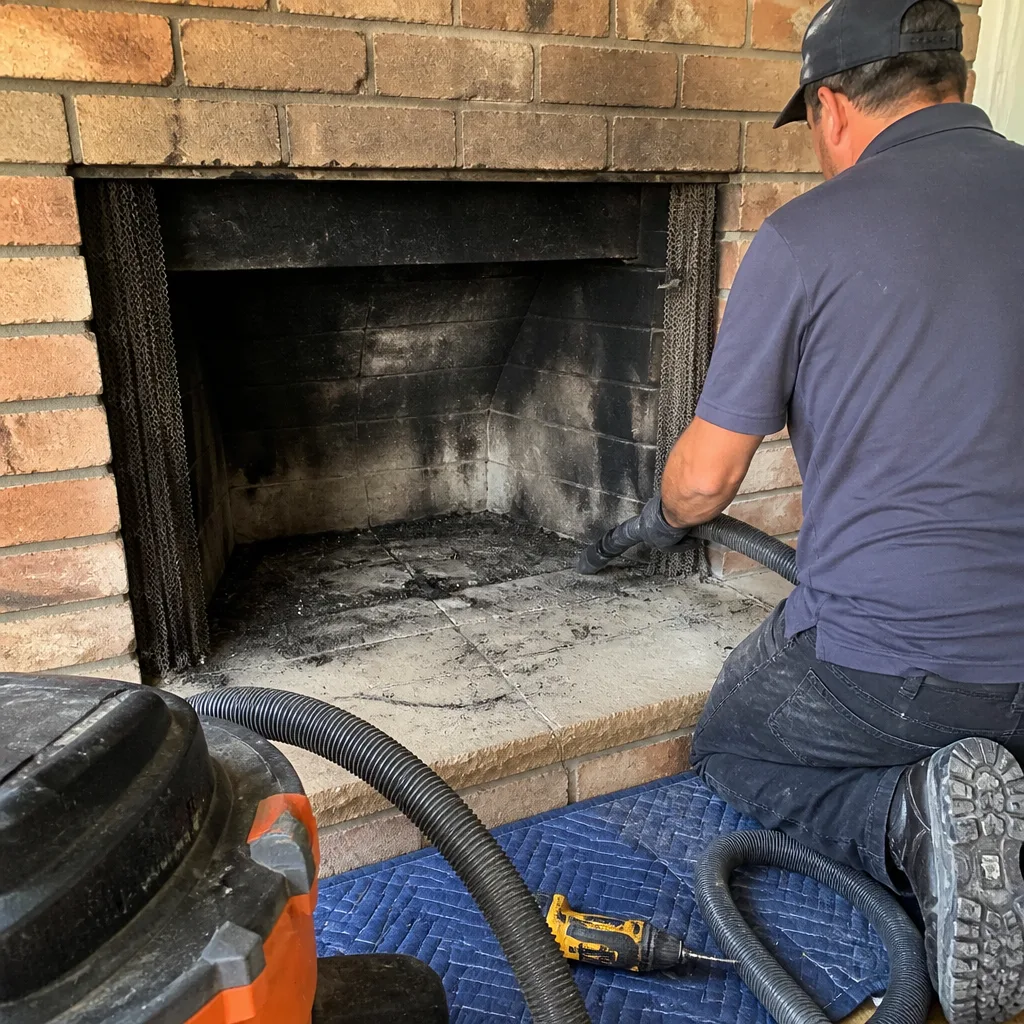 Before
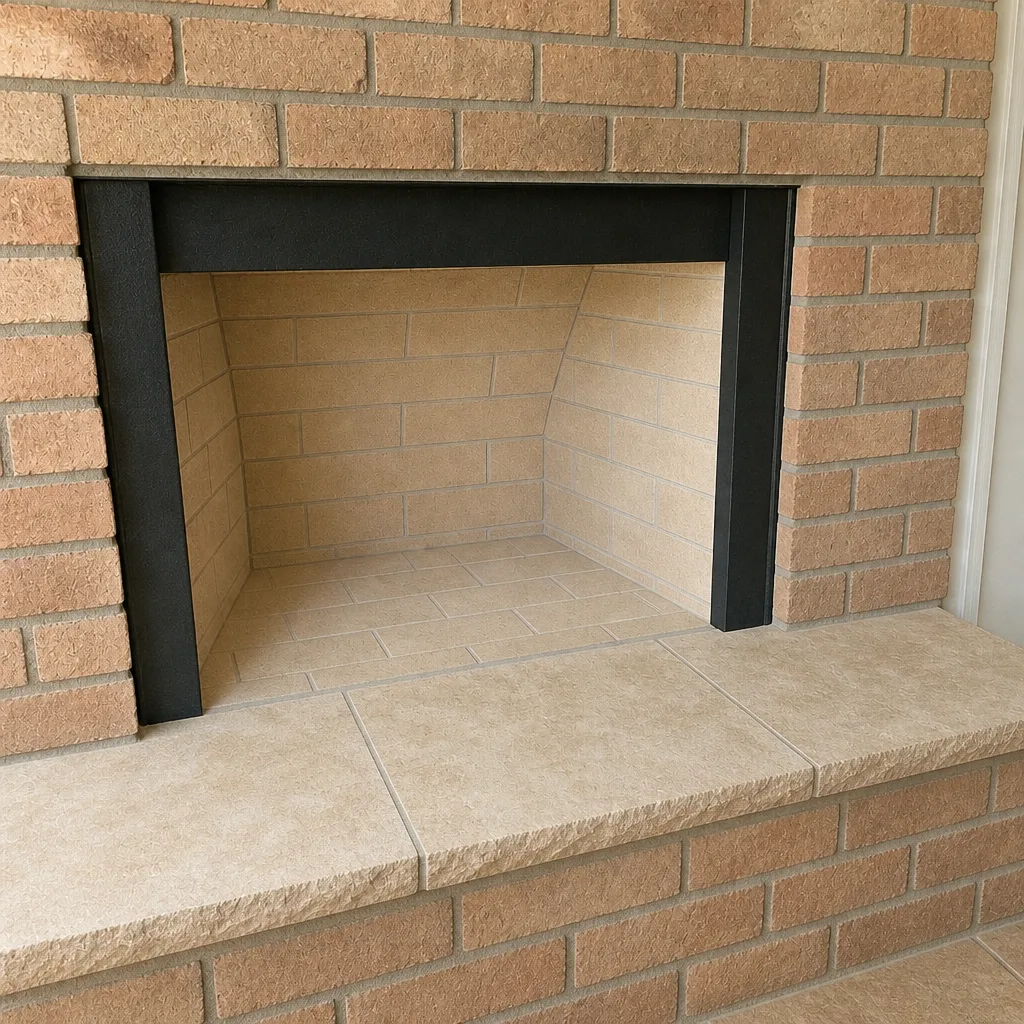 After