
Last updated November 14, 2026
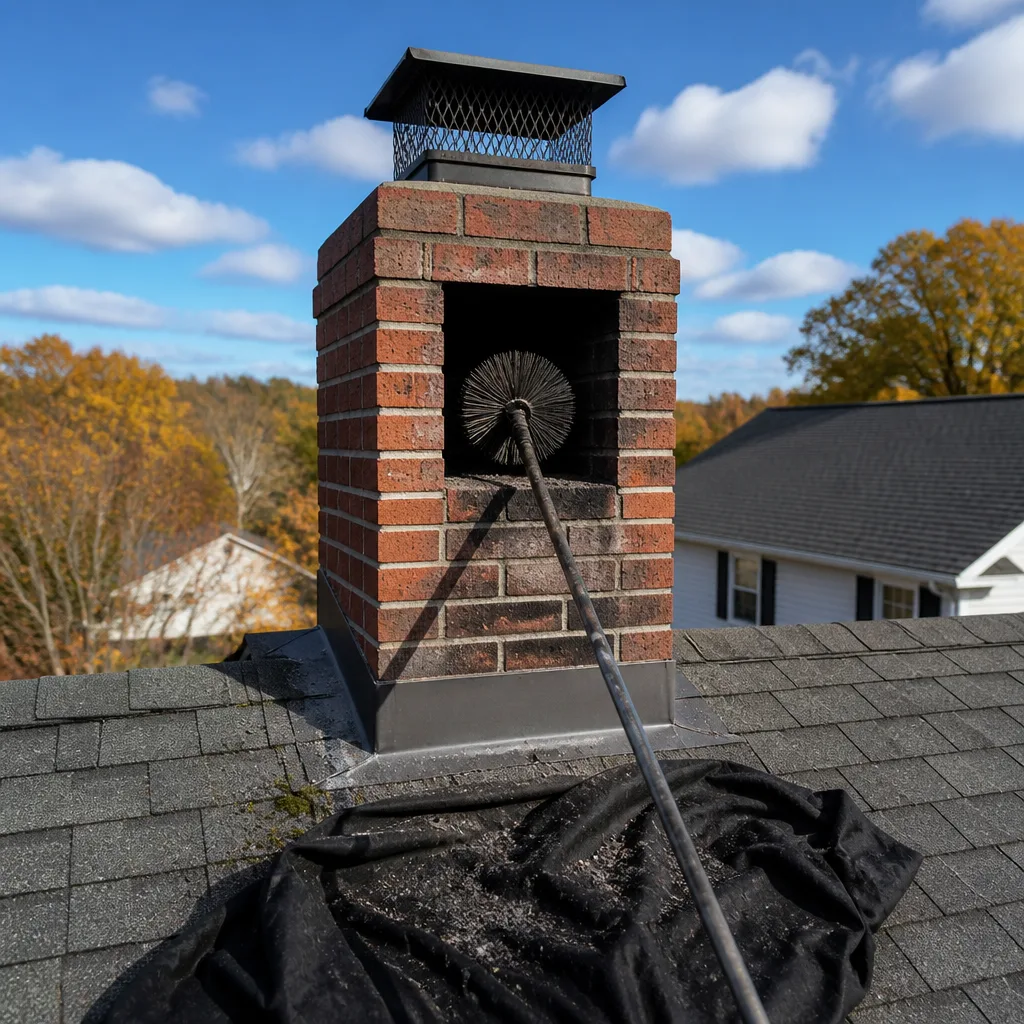 Sweep & inspection
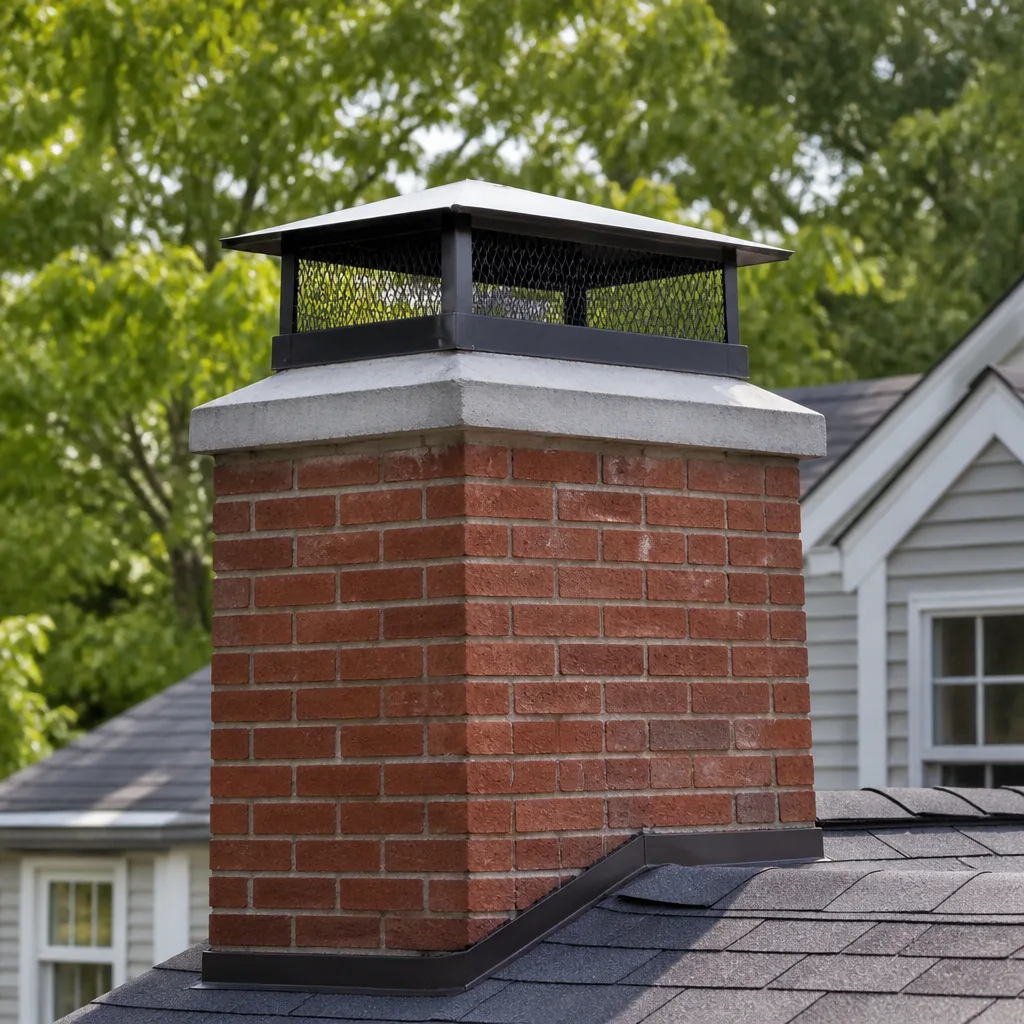 Caps & crowns
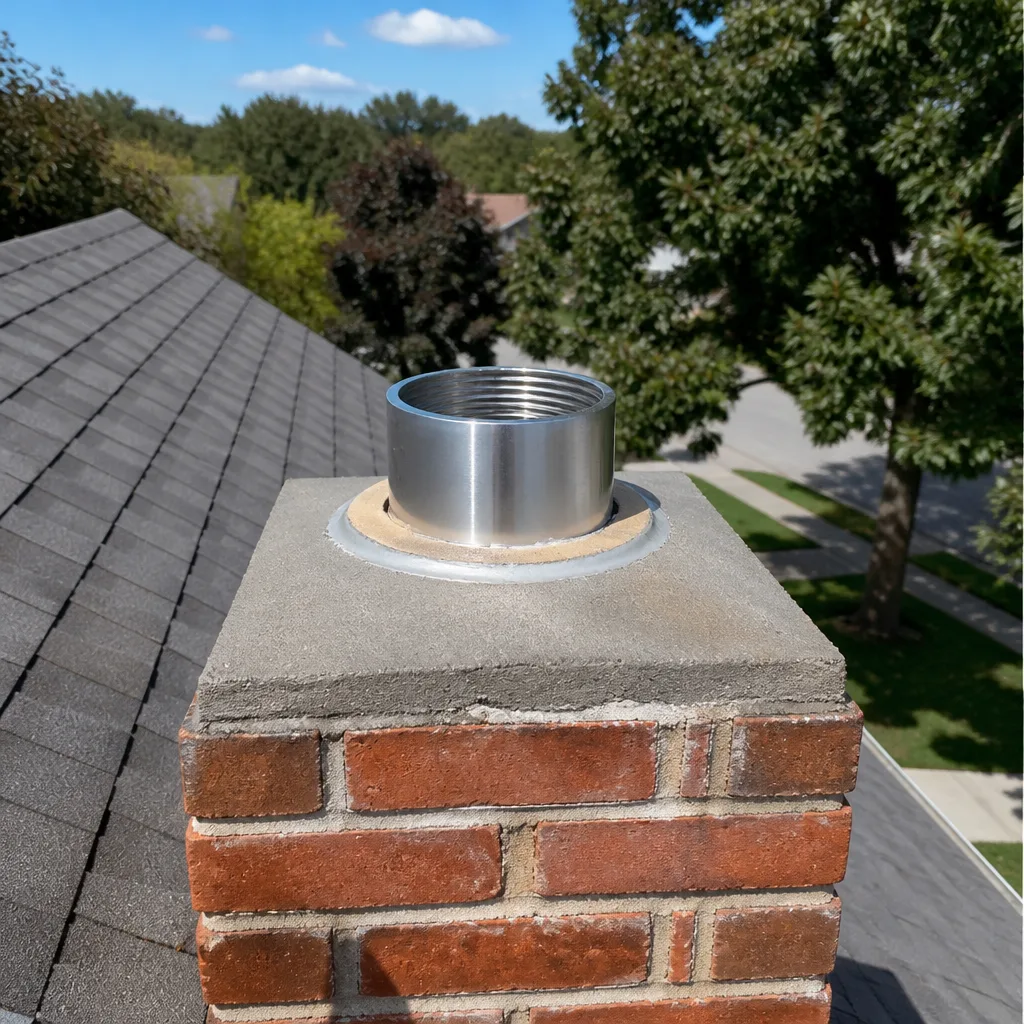 Flue relining
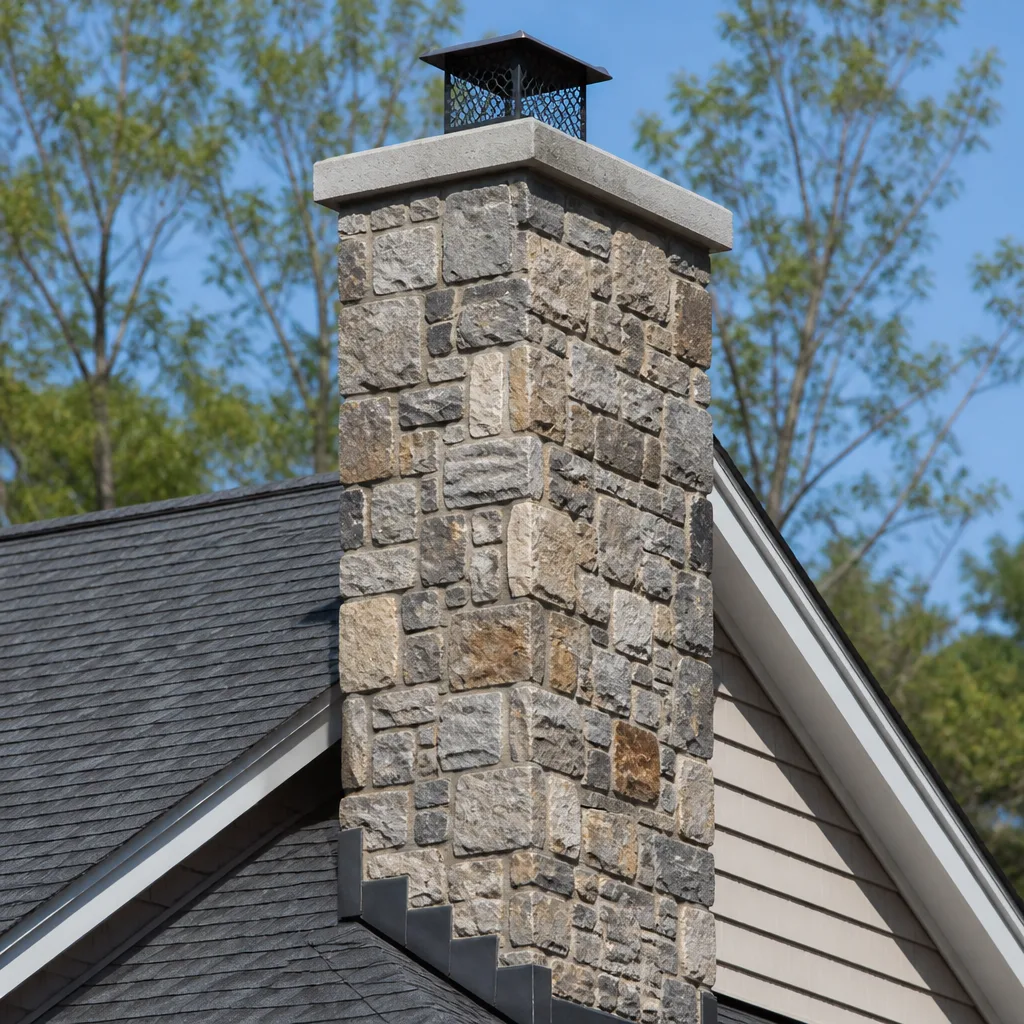 Masonry repair
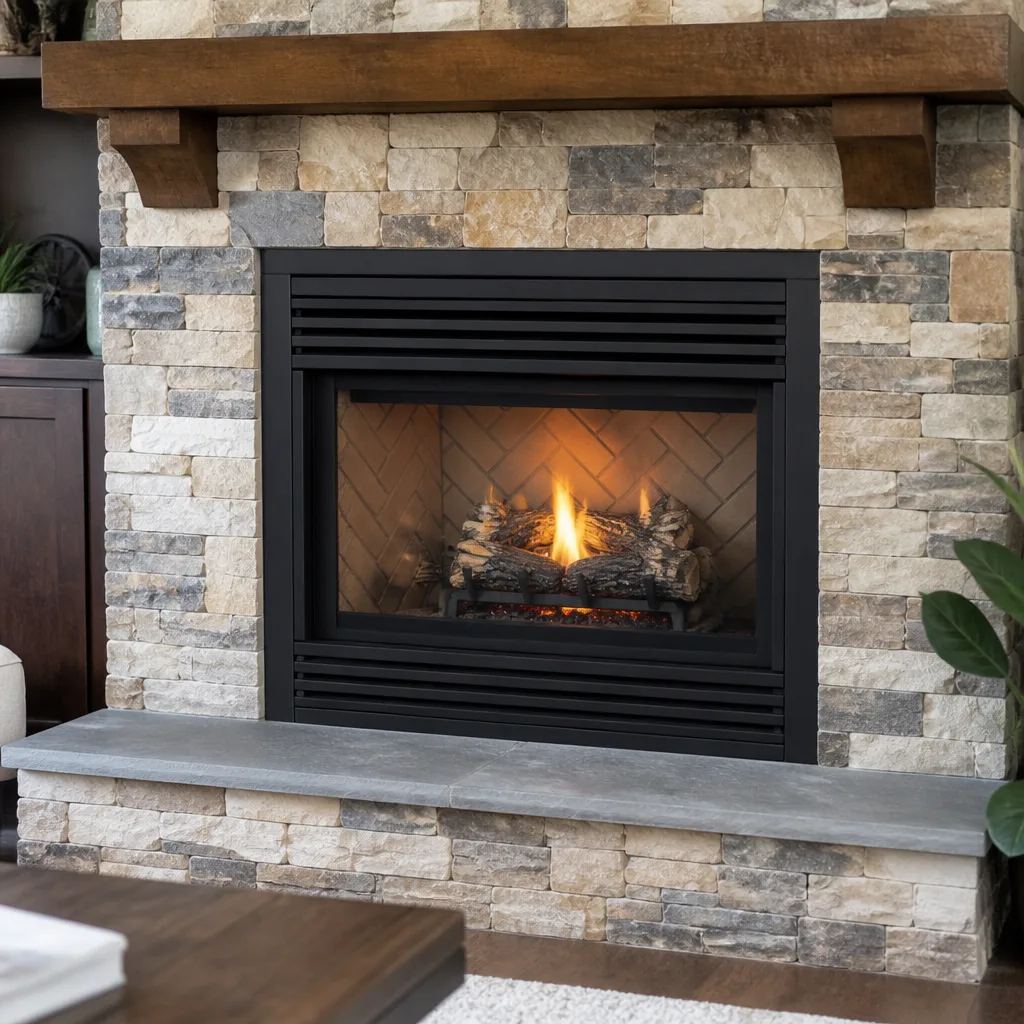 Gas fireplace service
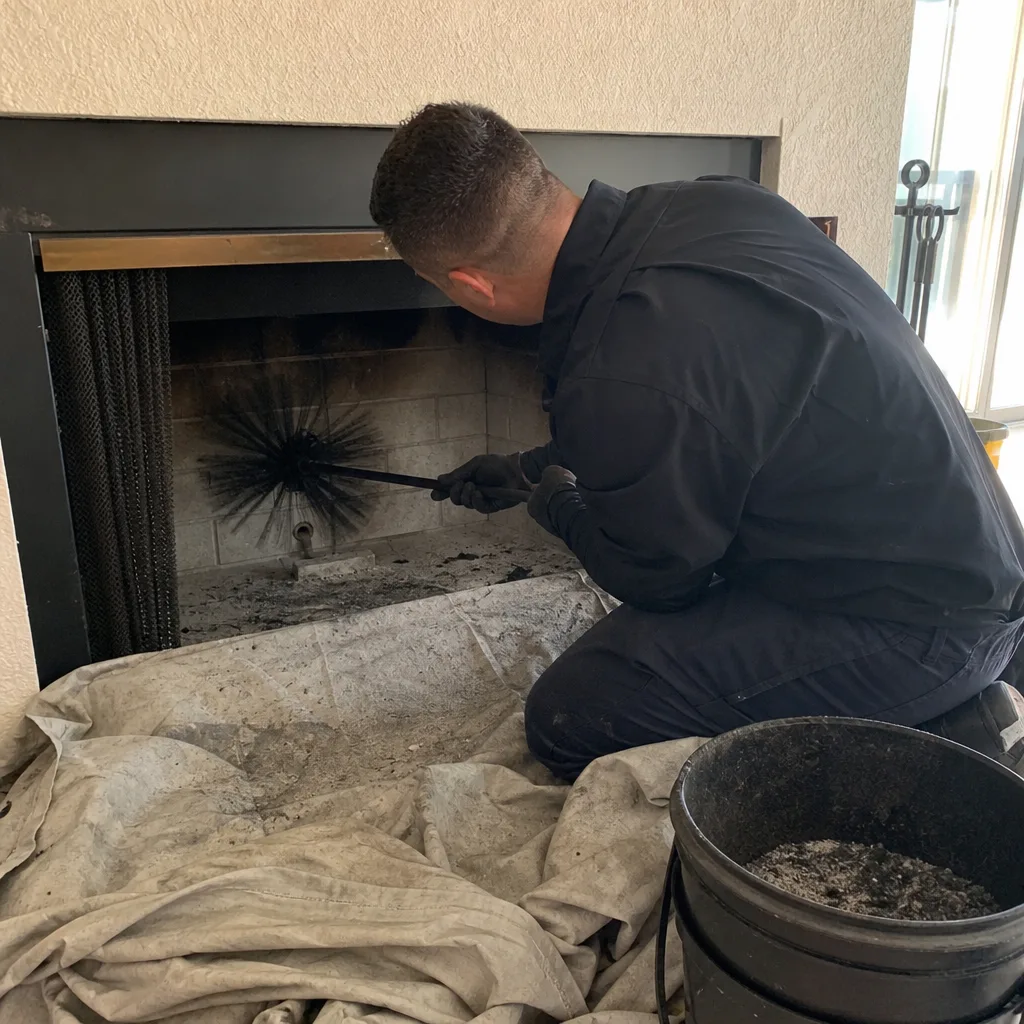
Level 1 sweep and inspection to the NFPA 211 annual standard - flue, crown, cap, and flashing checked and photographed
Chimney sweep logs do not sweep chimneys. They loosen some creosote - which then falls where a brush and vacuum still have to collect it.
Chimney Cleaning Permits, Codes & Inspections in Tucson, AZ: What You Need to Know
A chimney cleaning doesn’t need a permit. A new liner installation does. The gap between those two facts is where a lot of Tucson homeowners discover a problem during a home sale, after the work was already done by someone who didn’t pull one. Sweeping a flue is routine maintenance. Cutting into a chimney to reline it, resurface a damaged flue, or replace a cap changes the regulatory picture, and the paperwork that should follow the job often doesn’t. This guide maps exactly where the line sits in Tucson and Pima County: which work needs a permit and which department issues it, how the International Residential Code as Arizona adopts it applies to liner materials and clearances, what “code-compliant” actually means in practice, and how unpermitted work surfaces later at insurance review or a home inspection.
Quick Answer
Routine chimney sweeping in Tucson generally requires no permit, but structural repair, relining, and chimney replacement do require a permit from the city or county building department with jurisdiction over the address. A code-compliant sweep means documented inspection, proper disposal of removed creosote and debris, and a written record of what was found. Unpermitted repair work can complicate insurance claims and resale inspections, so it’s worth confirming permit status before any repair begins.
Styles & brands we work with
- Sweep & inspection
- Caps & crowns
- Flue relining
- Masonry repair
- Gas fireplace service
Table of Contents
- Where Tucson Draws the Line: Cleaning Versus Repair Permits
- Which Department Handles Which Chimney Job in Tucson
- The IRC, Arizona Adoption, and Chimney Liner Materials
- What a “Code-Compliant” Sweep Actually Means
- A Step-by-Step Look at a Proper Chimney Inspection
- Insurance and Resale: How Unpermitted Work Surfaces
- When Your Tucson HOA Adds Another Approval Layer
- Why the Liner Matters as Much as the Cleaning
Where Tucson Draws the Line: Cleaning Versus Repair Permits
The permit question comes down to one distinction: are you maintaining the existing chimney, or are you altering it? Maintenance is sweeping and inspection. Alteration is anything that changes the structure, the flue itself, or the venting path. Tucson homeowners often assume the two are the same job because they’re usually scheduled together, and that assumption is where trouble starts.
Here’s how the split generally falls:
- Sweeping a flue: No permit. This is routine maintenance, and a professional sweep should handle it without any building department involvement.
- Visual and camera inspection: No permit. Inspection is diagnostic, not structural.
- Relining an existing flue: Permit required. Installing a new liner system changes the flue, whether it’s a flexible stainless liner or a cast-in-place ceramic resurfacing.
- Repairing damaged masonry or a cracked crown: Permit required in most cases, especially when the repair involves structural masonry or firebox work.
- Replacing a chimney or firebox: Permit required. This is new construction in the code’s eyes.
- Changing a chimney cap or adding a top-sealing damper: Often permit-exempt, but check with your HOA first (more on that below).
In our experience, the relining threshold catches the most people. A flexible liner from DuraFlex or a HeatShield ceramic resurfacing job isn’t a sweep with extra work attached. It’s a structural change to the flue, and it should be permitted and inspected exactly like one. When we quote repair work, we tell homeowners up front whether the job requires a permit and who pulls it. That should be standard practice from any contractor, not something you have to ask about.
The other trap is the “while we’re in there” upsell. If a technician recommends a full reline after a routine sweep, ask whether the recommendation is based on camera evidence you can see and whether a permit would be required. If either answer is vague, that’s a signal to get a second opinion before signing anything. A reputable specialist walks you through the footage and tells you plainly when work can safely wait.
Which Department Handles Which Chimney Job in Tucson
In Tucson, the building department with jurisdiction depends on where the home sits. Properties inside the city limits fall under the City of Tucson’s building department. Properties in unincorporated Pima County fall under Pima County’s building department. A few addresses sit in incorporated towns with their own departments. The general rule: whichever jurisdiction issues the building permit for the house is the one that issues the chimney repair permit.
Here’s what that usually looks like in practice:
- Confirm the jurisdiction. Check your property tax bill or the address lookup on the city or county website. Most Tucson addresses resolve quickly.
- File the permit application. For chimney work, this typically means a building permit with a description of the scope: relining, masonry repair, or replacement.
- Submit supporting documents. Plan details, product specifications for the liner system, and sometimes a structural note for masonry work.
- Schedule inspections. A reline usually gets inspected after installation but before the job is closed out, so the inspector can see the liner seated correctly.
- Close the permit. This is the step that matters most for resale and insurance. An open permit on a property can stall a sale, and a job done without one can trigger questions later.
One practical note: permit timelines vary, and we don’t promise a fixed turnaround because we don’t control the department’s schedule. What we can do is prepare the submittal correctly the first time so it doesn’t bounce back for missing information. Getting the paperwork right upfront saves weeks on the back end.
If you’re outside the city limits and unsure whether your chimney work needs a permit at all, call the county building department directly. A five-minute call answers the question definitively, and it’s the fastest way to avoid an unpermitted job.
The IRC, Arizona Adoption, and Chimney Liner Materials
Arizona adopts the International Residential Code, and the IRC chapter on chimneys and vents is where the real technical requirements live. The code doesn’t say “use a good liner.” It specifies clearances from combustibles, required liner material for different fuel types, and the conditions under which an existing flue can be reused versus when it has to be relined.
The core requirements homeowners should know:
- Clearance to combustibles. Chimneys and vents have required minimum clearances to framing and other combustible material. A sweep should be checking this as part of the inspection, because a home built or remodeled before the current code cycle can have a chimney that was once compliant and no longer is.
- Liner requirement for solid fuel. Wood-burning appliances require a listed liner. An unlined or damaged clay flue is not a compliant vent for a wood fire, and the fix is a liner system, not a patch.
- Material compatibility. The liner has to be rated for the appliance. A gas insert and a wood stove don’t take the same liner, and a professional specifies based on what’s actually connected to the flue.
- Clay tile damage. Cracked or spalled clay tiles are the most common reason a flue fails inspection, and they’re also why ceramic resurfacing like HeatShield exists as an alternative to a full rebuild.
Tucson’s climate is hard on masonry in a different way than most of the country. We don’t deal with freeze-thaw cycles here, so the seasonal damage patterns look nothing like what you’d read in a national guide. What we do see is prolonged heat and dry conditions that stress the mortar and crown over time, and monsoon-season moisture that finds any crack and works its way in. The IRC’s clearance and material requirements don’t change because of the climate, but the failure points you’ll find during inspection often do. That’s one reason we photograph everything and walk the homeowner through it: what’s obvious to a trained eye is invisible to most people, and the code requirements only matter if you can see where they’re not being met.
What a “Code-Compliant” Sweep Actually Means
“Code-compliant sweep” gets thrown around loosely, so it’s worth defining precisely. A code-compliant sweep is one where the cleaning itself may not require a permit, but the work still meets industry standards for inspection, documentation, and disposal. The permit threshold sits with repair, not with cleaning, but the *standard of work* applies to both.
What a compliant sweep should include:
- A documented inspection before cleaning. The sweep checks the firebox, damper, smoke chamber, flue, crown, and cap before touching a brush. Findings get written down.
- Proper disposal of removed material. Creosote and soot are removed from your property, not bagged and left behind. Disposal is part of the job.
- A written record of what was found. This is the piece homeowners most often don’t get. A proper sweep leaves you with a written inspection record and, in our case, photo documentation from a camera inspection.
- Clear, honest recommendations. If the flue is sound, say so. If there’s damage, show the evidence and explain which repairs are urgent and which can wait.
- Certification in writing of what was inspected and cleared. Depending on the sweep and the job, this ranges from a written inspection report to a signed statement of what was cleaned and found.
Why does documentation matter so much? Because the sweep report is your evidence trail. If you sell the home, an inspector will ask about the chimney. If you file an insurance claim, the adjuster will want to know the condition of the flue before the loss. A written record that shows the chimney was cleaned and inspected on a regular schedule is worth its weight in paperwork, and a sweep that doesn’t produce one isn’t doing the full job.
That’s the practical side of the chimney sweep standard. It’s not a brush and a ladder. It’s inspection, cleaning, documentation, and honest reporting, all in one visit.
A Step-by-Step Look at a Proper Chimney Inspection
A thorough inspection follows a consistent sequence. This is roughly how it runs when we’re on site in Tucson:
- Exterior check. The crown, the cap, the flashing where the chimney meets the roof, and the masonry on the exterior faces. Cracks, loose mortar, and missing caps all show up here.
- Firebox and damper. The firebox walls, the damper operation, and the smoke chamber just above the damper. This is where a lot of damage lives, because the firebox takes the most heat.
- Flue camera inspection. A camera run through the flue shows the condition of the liner or clay tiles, any cracks, spalling, or gaps at the mortar joints. We photograph what we find.
- Clearance verification. A check for the required clearances to framing and combustibles, particularly in older homes or around additions and remodels.
- Venting path check. Confirming the appliance connected to the flue is vented properly, especially where a gas insert or wood stove was added later.
- Written report and photos. Everything documented and handed to the homeowner, with recommendations ranked by urgency.
The camera inspection is the part homeowners value most, because it’s the part they can verify. You don’t have to take our word for a recommendation; you can look at the photos yourself. That’s a meaningful difference from an inspection-only operator who hands you a report and a verbal list of repair items with no visual evidence behind them.
If you’ve never had an inspection, the standard practice is to have one done before you start using the fireplace for the season. In Tucson the burning season is short, so the window between “cool enough to think about the fireplace” and “actually lighting it” is tight. Getting the inspection out of the way early means you’re not waiting on a report when the nights finally cool down.
Insurance and Resale: How Unpermitted Work Surfaces
Unpermitted chimney work usually sits quietly until one of two events brings it to the surface: an insurance claim, or a home sale. Both scenarios follow the same logic, and both are avoidable.
On the insurance side, a claim related to a chimney fire or a carbon monoxide incident will prompt an adjuster to look at the chimney’s condition and history. If the flue was relined without a permit, the question becomes whether the work was completed to code and inspected. Insurers don’t reject claims simply because a permit was missing, but an unpermitted repair can complicate the claim, slow the process, and in some cases affect coverage for the chimney portion of the loss. The safest position is a permitted, inspected repair with paperwork that proves it.
On the resale side, it’s even more predictable. A buyer’s home inspector will run a camera down the flue and report what they find. If a new liner was installed five years ago with no permit, the buyer’s agent will ask why. The seller then has to produce records they don’t have, and the deal can stall while a retrofit inspection happens. In a competitive Tucson market, that’s an expensive delay for a job that would have been routine with a permit attached.
The deeper point is that the permit isn’t bureaucratic busywork. It’s the inspection step that confirms the liner is seated correctly, the clearances are met, and the job was done by someone accountable for the result. When we do a reline with a DuraFlex system or a HeatShield resurfacing, we walk through the permit question with the homeowner first, and we do the repair work ourselves rather than handing it to a subcontractor. Single point of contact from inspection through repair means nobody’s pointing fingers when a question comes up at the closing table.
If you’re buying a home in Tucson and the disclosure says the chimney was relined, ask for the permit number. If the seller can’t produce one, get an independent inspection before you close.
When Your Tucson HOA Adds Another Approval Layer
Permits and HOA approvals are two different gates, and a surprising number of homeowners clear the first and get stopped by the second. Many Tucson-area developments, particularly the planned communities in the foothills and the master-planned subdivisions on the east and northwest sides, have architectural review requirements that apply to any visible change to the exterior of the home. A chimney cap is on the exterior. A new cap, a different cap style, or a change to the chimney chase can fall within that scope.
Here’s what to check before any exterior chimney work:
- Read the CC&Rs. Most HOAs spell out which exterior changes need architectural review committee approval, and how to submit a request.
- Confirm cap style requirements. Some developments specify cap materials or colors to keep rooflines consistent. A stainless cap in a community that requires a painted finish is a small but real compliance issue.
- Check the timing. Architectural review usually takes longer than a building permit, so if you’re coordinating a reline and a cap replacement, sequence the HOA approval first.
- Get the approval in writing. Keep it with your permit paperwork. If you ever sell, both documents together show the work was done properly at every level.
In our experience, the simplest cap replacements usually clear HOA review without drama. It’s the bigger changes, like altering the chimney’s visible profile or adding a chase cover, that attract more scrutiny. When we’re quoting exterior work in a Tucson development with architectural review, we flag it early so the homeowner isn’t surprised by a letter from the HOA after the job is done.
Why the Liner Matters as Much as the Cleaning
A clean flue with a damaged liner is still a hazard. The cleaning removes creosote, which is the fuel for a chimney fire. The liner is what contains the fire and the combustion gases and keeps them away from the framing. Both matter, and the code treats them as two parts of the same system. That’s why a sweep who only cleans and never inspects the liner is doing half the job.
The repair capability behind a sweep is what makes the inspection meaningful. If the camera shows a cracked clay tile or a failed joint, the next question is what fixes it. There are generally three paths:
- A flexible stainless liner sized to the flue and appliance. This is the standard reline for a wood-burning flue that’s failed inspection, and it’s a structural change that needs a permit.
- Ceramic resurfacing for flues where the existing structure is sound enough to be restored rather than replaced. This is where HeatShield comes in, and it’s an alternative to a full rebuild that keeps the original masonry in place.
- Full rebuild when the masonry itself has failed beyond what a liner or resurfacing can address.
A sweep-only operator refers the reline out. That splits the job between two contractors, and the homeowner ends up managing the handoff. We stock and install the professional-grade systems – DuraFlex liner systems, HeatShield ceramic resurfacing, Gelco and Olympia Chimney components – and we handle the repair directly. The liner matters as much as the cleaning, and it should be installed by the same specialist who inspected it.
The same safety-first logic applies to dryer vent cleaning, because a clogged dryer vent is the other household fire hazard that builds up slowly and invisibly. Two fire risks, one call, handled by the same specialist.
Common Mistakes to Avoid
- Assuming a reline was permitted because the chimney was cleaned. A clean flue and a permitted repair are separate things. Ask for the permit number, especially if the liner was installed by a previous owner.
- Hiring a sweep who only cleans and can’t inspect. A sweep without camera equipment can miss a failed clay tile that’s a real hazard. Ask before you book whether the inspection is included.
- Skipping the HOA step on a cap replacement. It’s an easy one to overlook, and it’s the kind of thing that generates an HOA letter weeks after the job. Check the CC&Rs first.
- Treating the written report as optional. The report is the evidence trail for insurance and resale. A sweep that doesn’t provide one is leaving you without a record.
- Letting a flue stay unlined because the fireplace “seems to work.” A wood-burning flue without a compliant liner is out of code regardless of how the fire draws. The draft isn’t the test; the code requirement is.
- Assuming Tucson’s mild climate means the chimney needs less attention. The failure points are different here, but heat, dry cycles, and monsoon moisture still stress the masonry and crown. The inspection schedule doesn’t relax because snow isn’t a factor.
- Buying a home without asking for chimney records. The disclosure may not mention unpermitted work. A buyer’s inspection will find it eventually, so get ahead of it with an independent sweep inspection.
See the difference
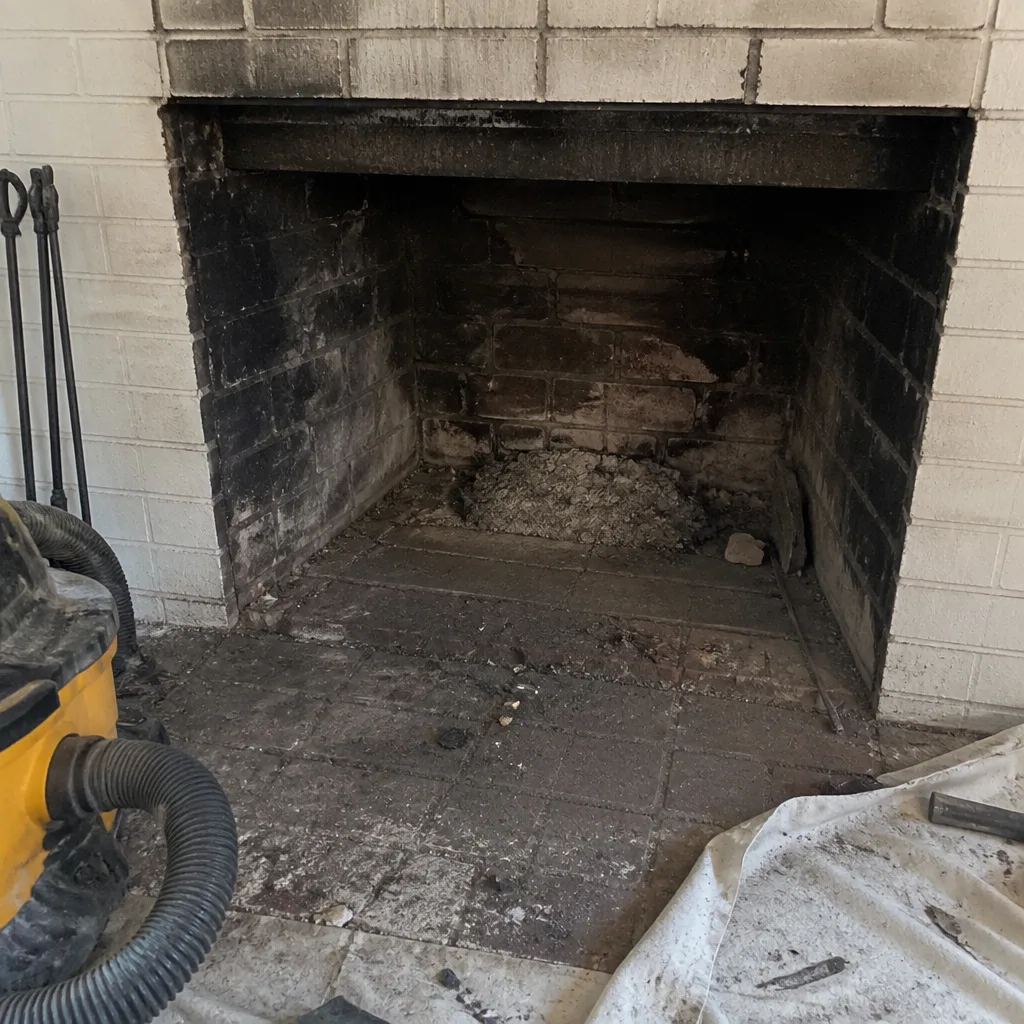 Before
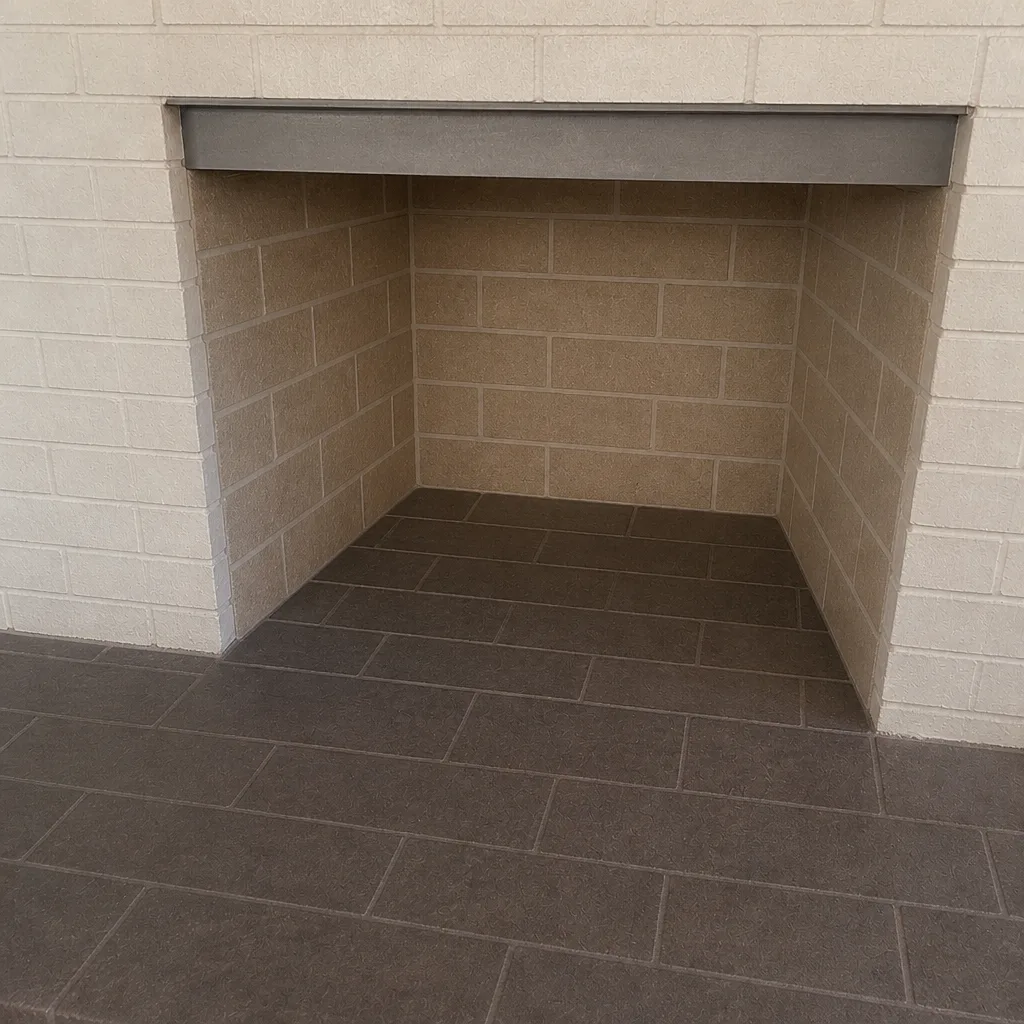 After
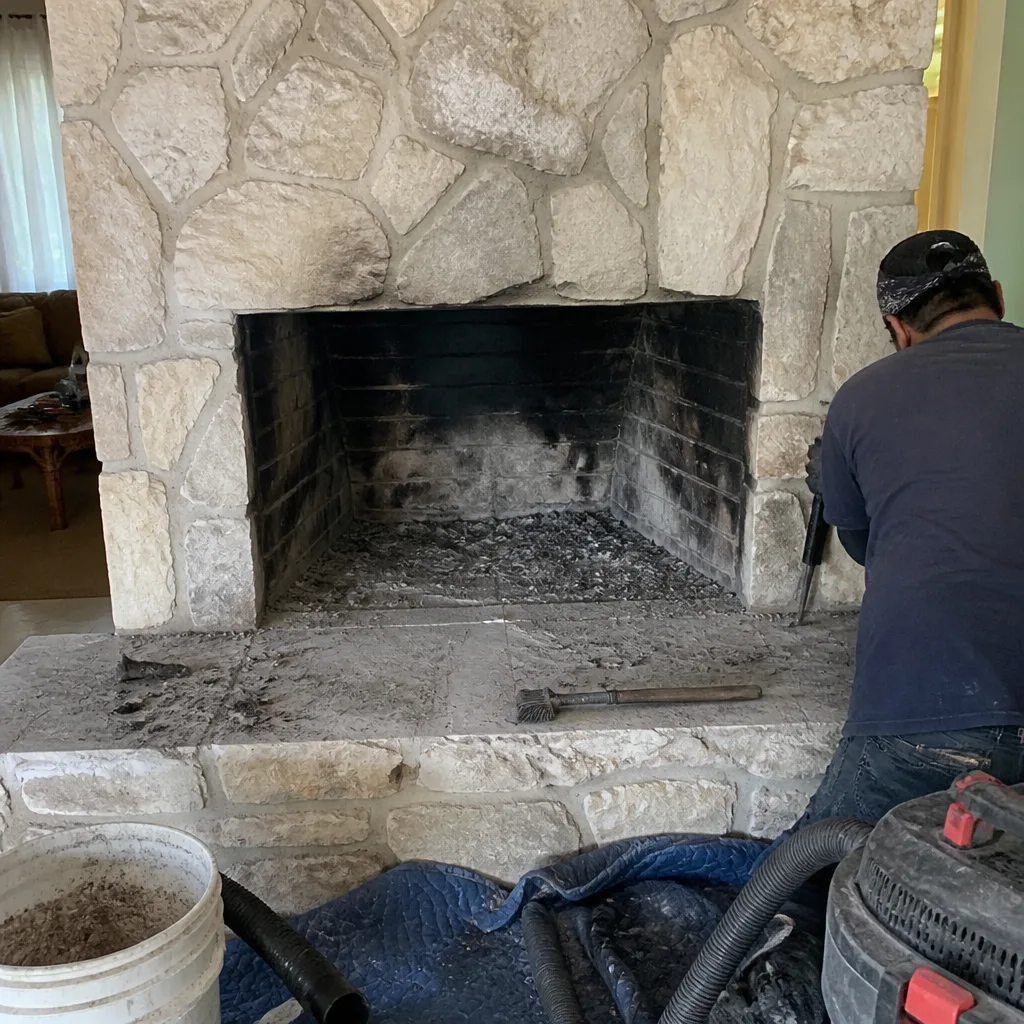 Before
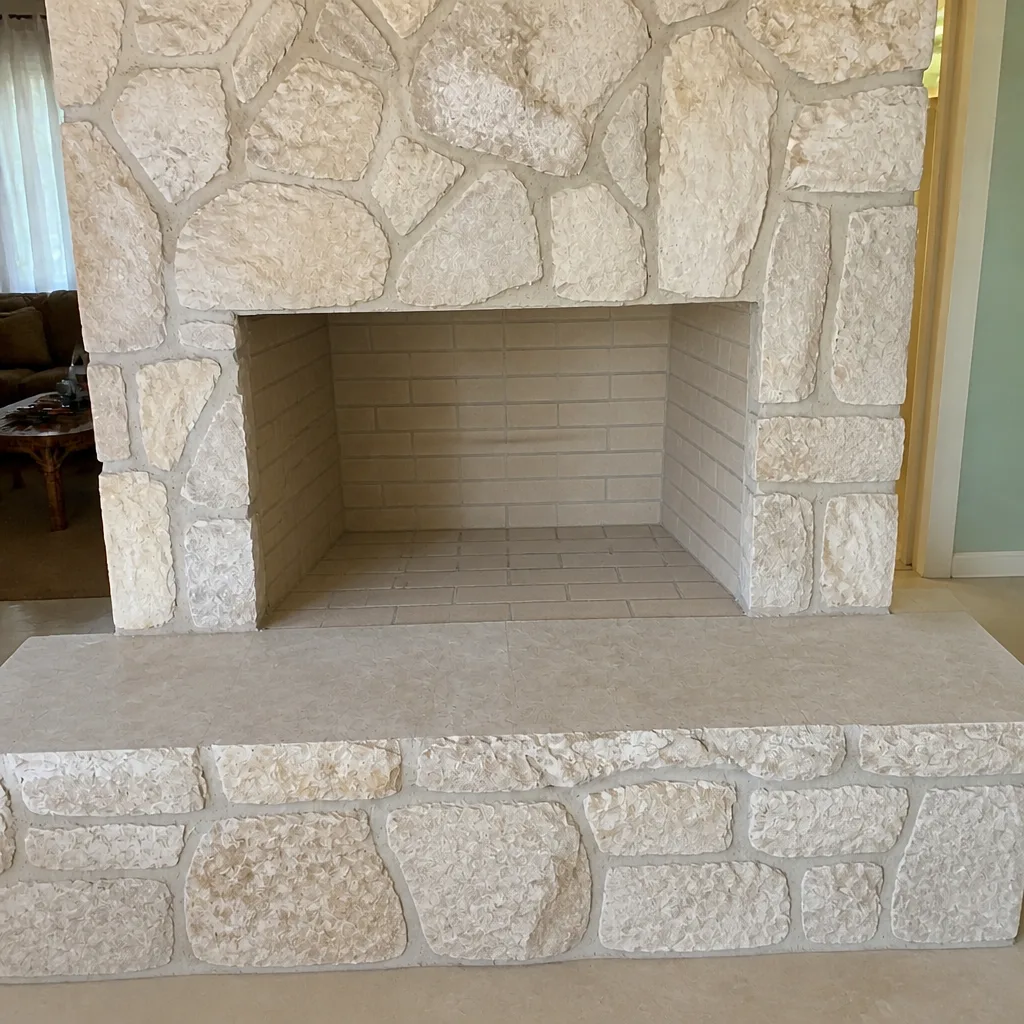 After
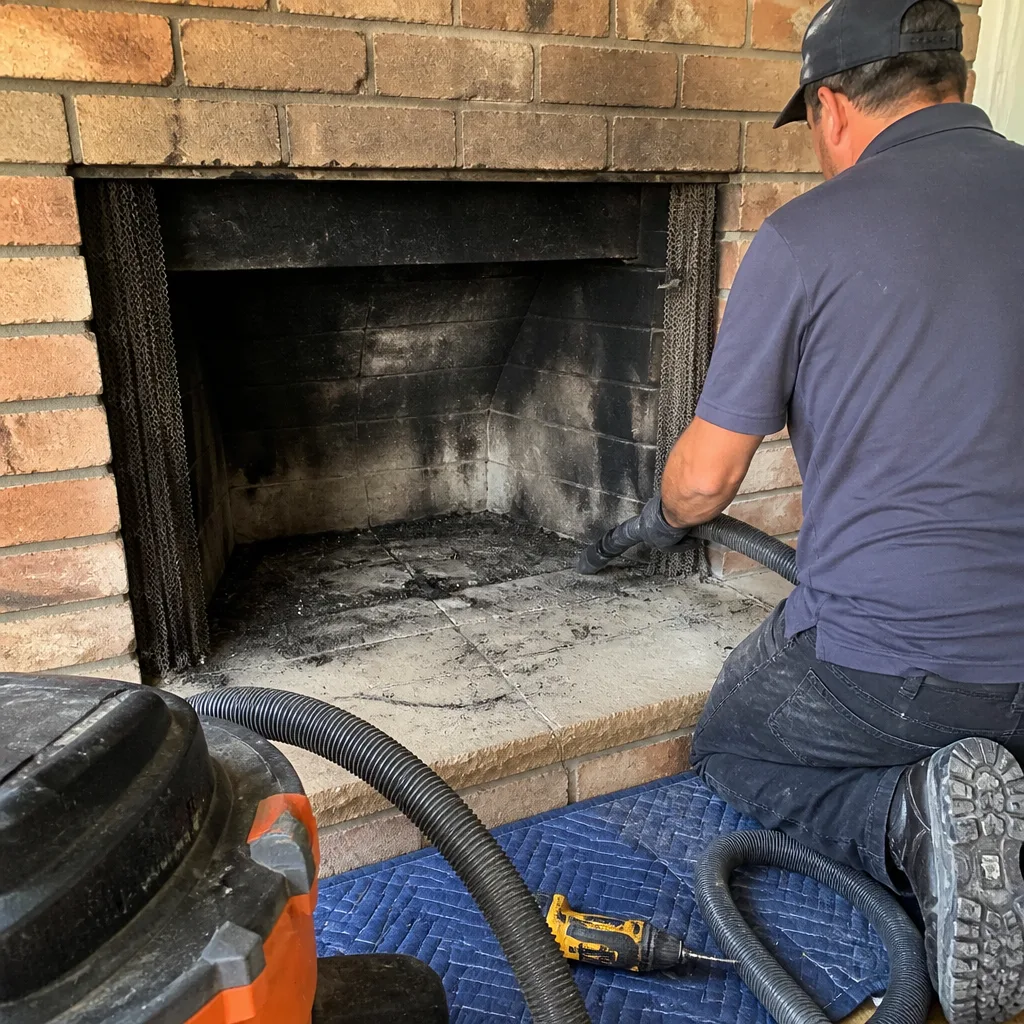 Before
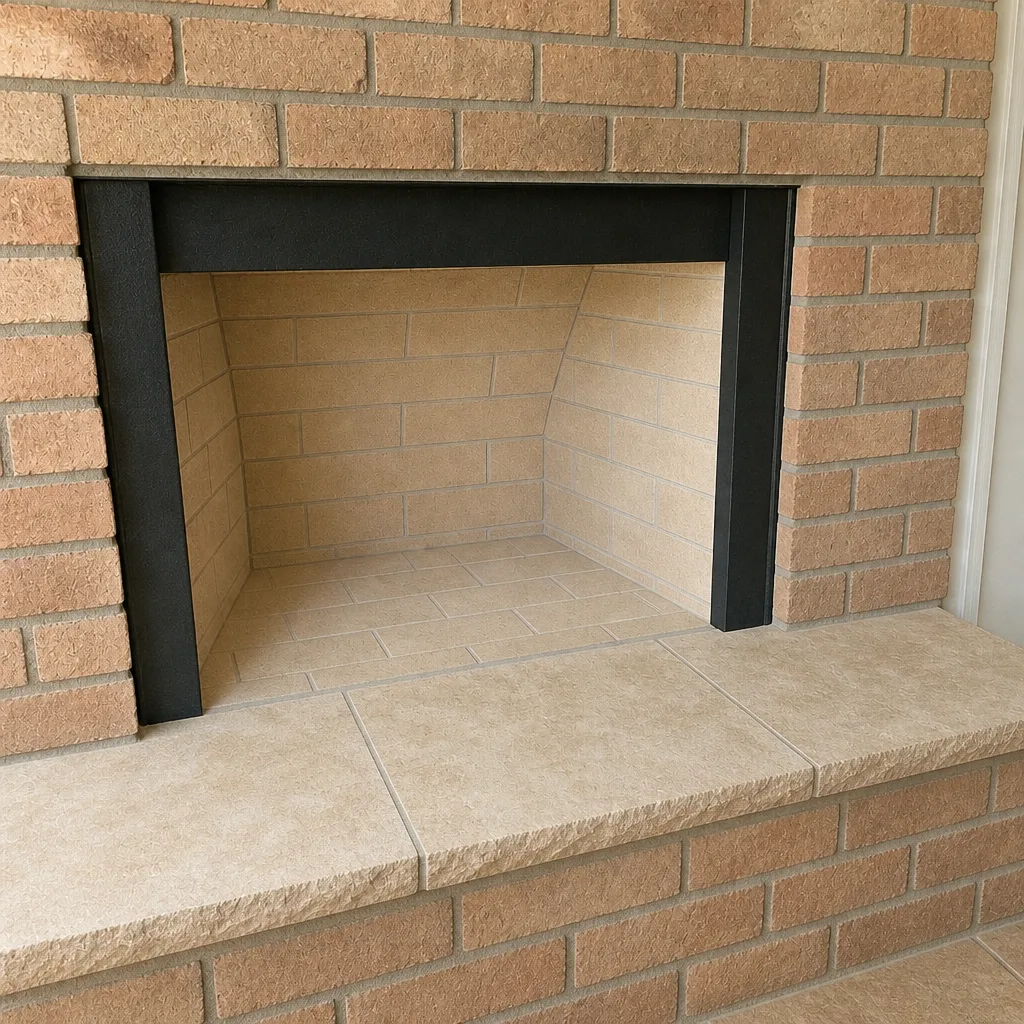 After
When to Call a Professional
Call a professional if you’ve never had the chimney inspected and you don’t know its history. Call if you’re buying or selling a Tucson home and the chimney records are thin or missing. Call if a previous reline has no permit documentation, because you need to know what’s actually in the flue. Call if the firebox or flue was damaged in any way you can see, or if you’ve noticed draft problems, smoke spillage, or a smell that doesn’t clear. Call if you added a gas insert or wood stove and aren’t sure the liner is rated for it. And call if it’s been a while since the flue was cleaned and you’re about to start using it again.
Tucson Chimney Sweep offers free estimates in Tucson – call (855) 750-1719. We answer 24/7. Fast dispatch from 7am to 7pm, Sunday through Friday. Nothing gets recommended without camera evidence you can see, and we’ll tell you plainly when work can safely wait.
Frequently Asked Questions
No. Routine chimney sweeping in Tucson does not require a permit. Permits come into play for structural repair, relining, and chimney replacement, which are alterations rather than maintenance. If you’re only having the flue cleaned and inspected, there’s no building department filing involved.
Yes. Installing a new liner is a structural change to the flue, and it requires a permit from the city or county building department with jurisdiction over your address. The permit is what triggers the post-installation inspection that confirms the liner is seated and the clearances are met. Call (855) 750-1719 for an exact quote on your liner job – estimates are free.
Most chimneys should be swept once a year when in regular use, and inspected annually regardless of how often they’re burned. A wood-burning flue with heavy use may need it more often. In Tucson, the practical move is to schedule the inspection before the burning season starts so you’re not waiting on a report when you want to light a fire.
Creosote accumulates in the flue and, over time, becomes the fuel for a chimney fire. Liner damage also goes unnoticed because it’s invisible from the firebox. Neither problem announces itself, which is exactly why annual inspection matters: the camera finds what the eye can’t. If it’s been a few years, it’s worth a call to schedule one. Call (855) 750-1719 for a free estimate.
Ask for the permit number and the inspection record. A permitted job leaves a paper trail: the permit filing, the inspection sign-off, and the closed permit. If the previous owner can’t produce those, an independent inspection with camera documentation will tell you whether the work meets code. This is worth doing before you close on a Tucson home.
It can. Insurance claims related to the chimney may be slowed or complicated when the repair history is unpermitted, and a buyer’s inspection will find the discrepancy during a home sale. The most straightforward fix is a permitted repair with documentation, and if you’re unsure of the current state, an inspection is the first step. Call (855) 750-1719 for a free estimate.
The Bottom Line
In Tucson, the permit line sits between maintenance and alteration. Sweeping and inspection are maintenance. Relining, masonry repair, and replacement are alterations, and they need a permit and an inspection. A code-compliant sweep means documented work, proper disposal, and a written report you can hand to an insurer or a buyer. The liner matters as much as the cleaning, and the repair capability behind the sweep determines whether you’re getting a real fix or a referral. If you have a chimney question, get it answered with camera evidence you can see, and confirm permit status before any repair begins.
Call Tucson Chimney Sweep at (855) 750-1719 for a free estimate. We answer 24/7. Fast dispatch from 7am to 7pm, Sunday through Friday. We handle the repair, not just the report, and we’ll tell you honestly when the work can wait.
Written by the team at Tucson Chimney Sweep, serving Tucson since 2018.