
Last updated November 14, 2026
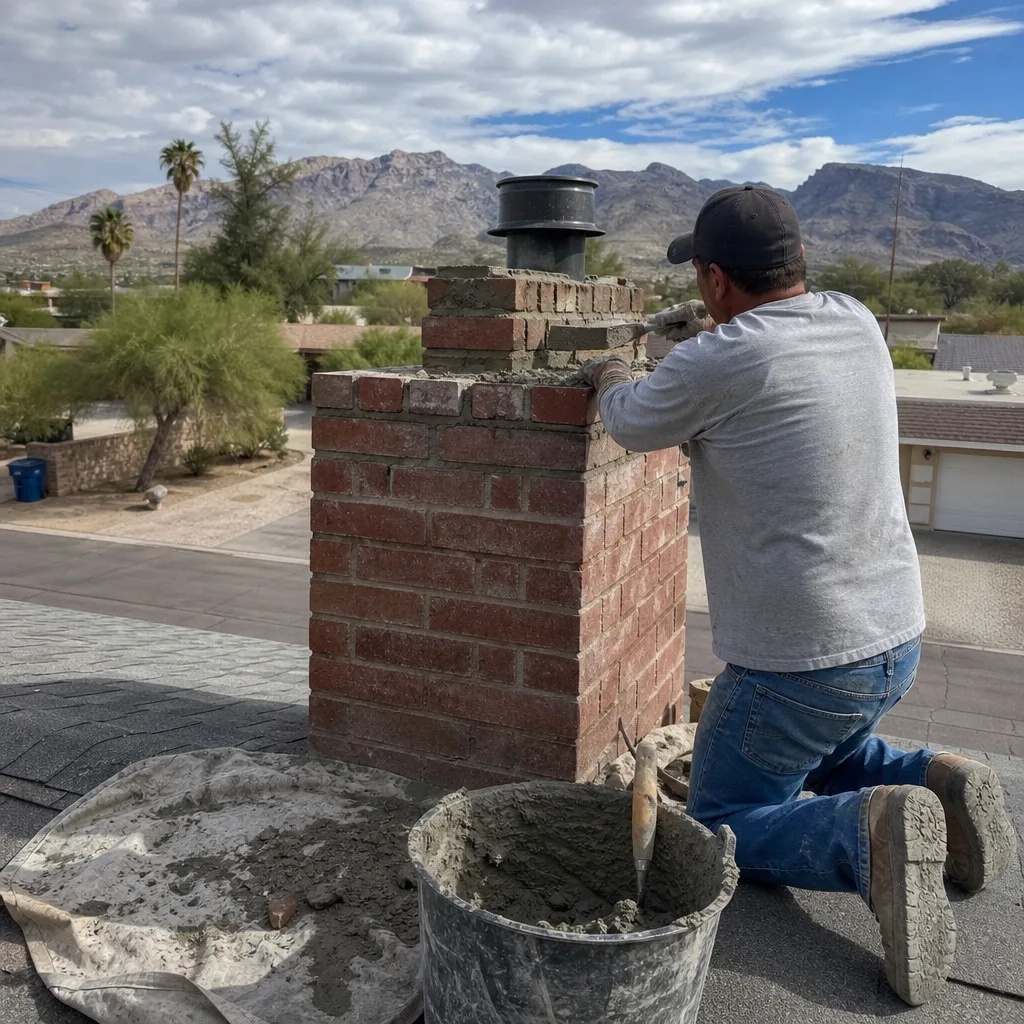
 Sweep & inspection
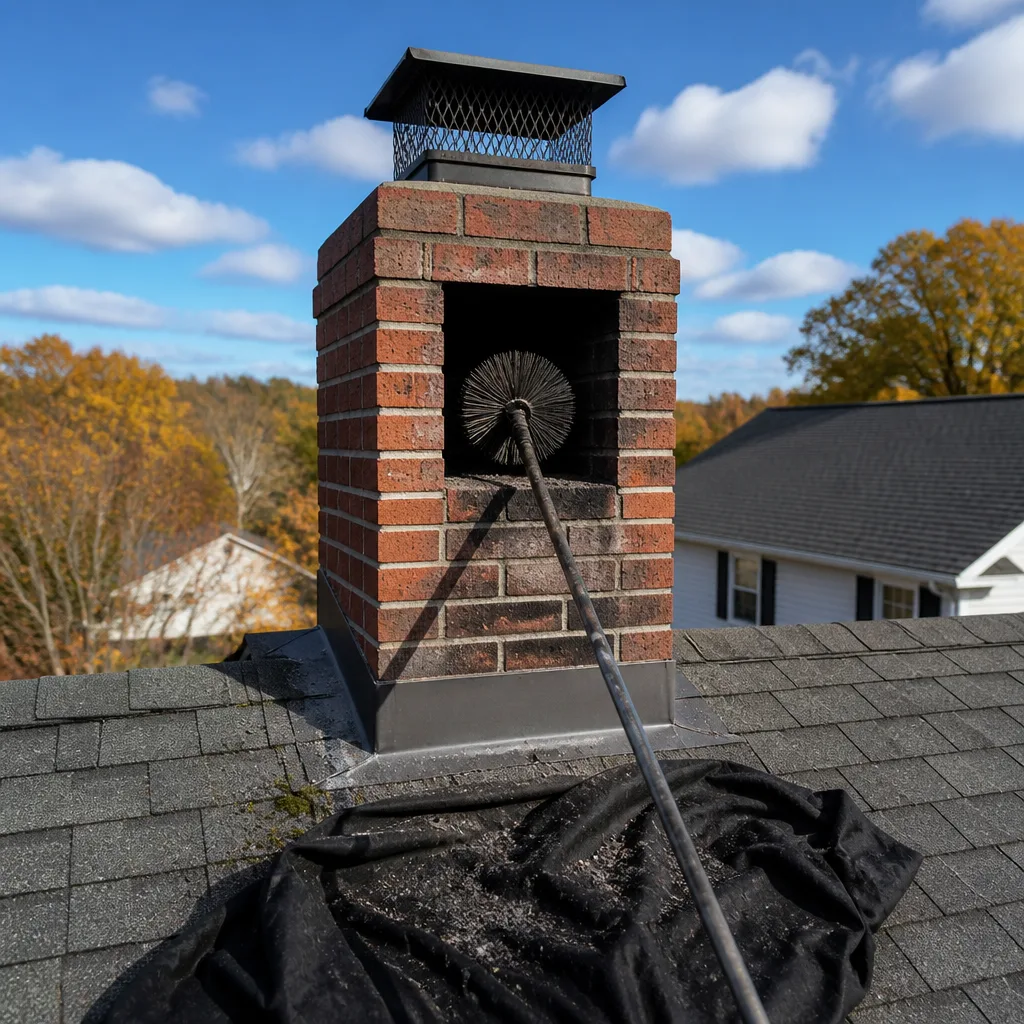
 Caps & crowns
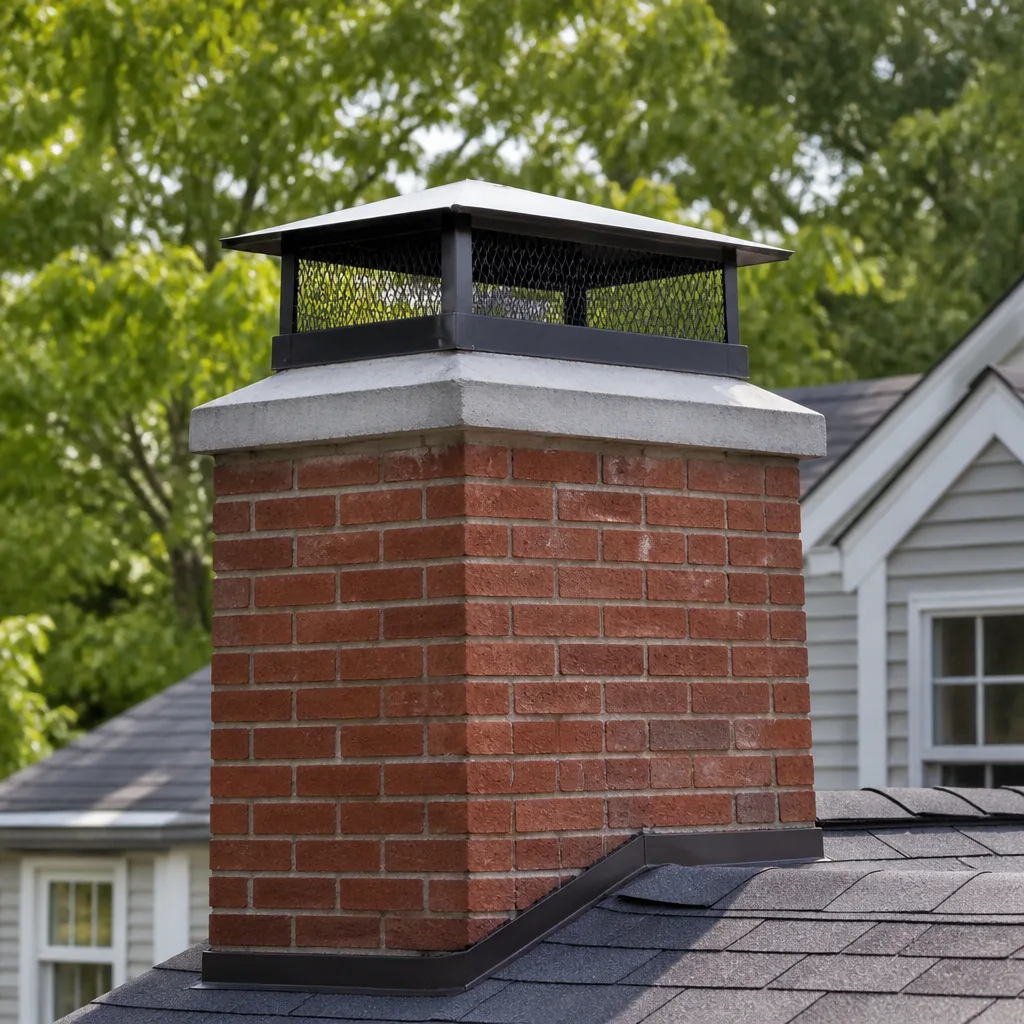
 Flue relining
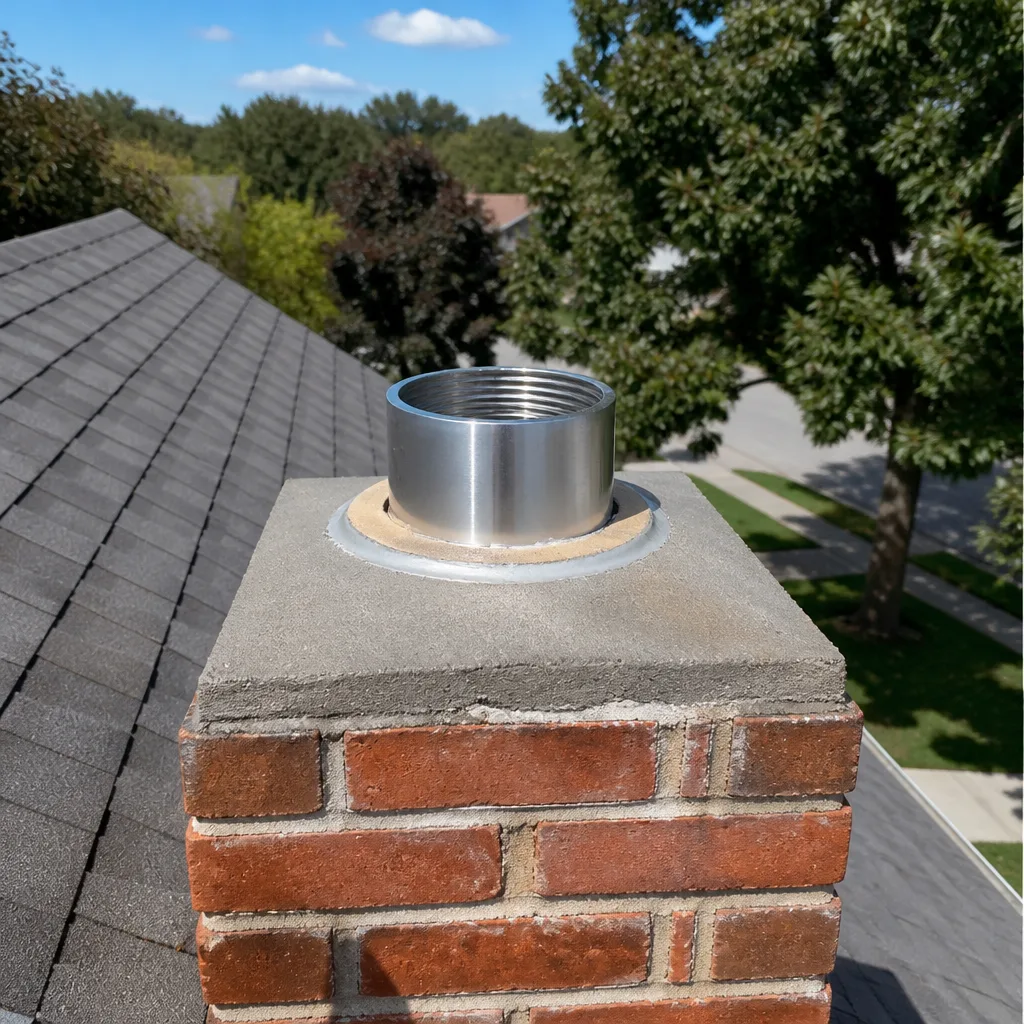
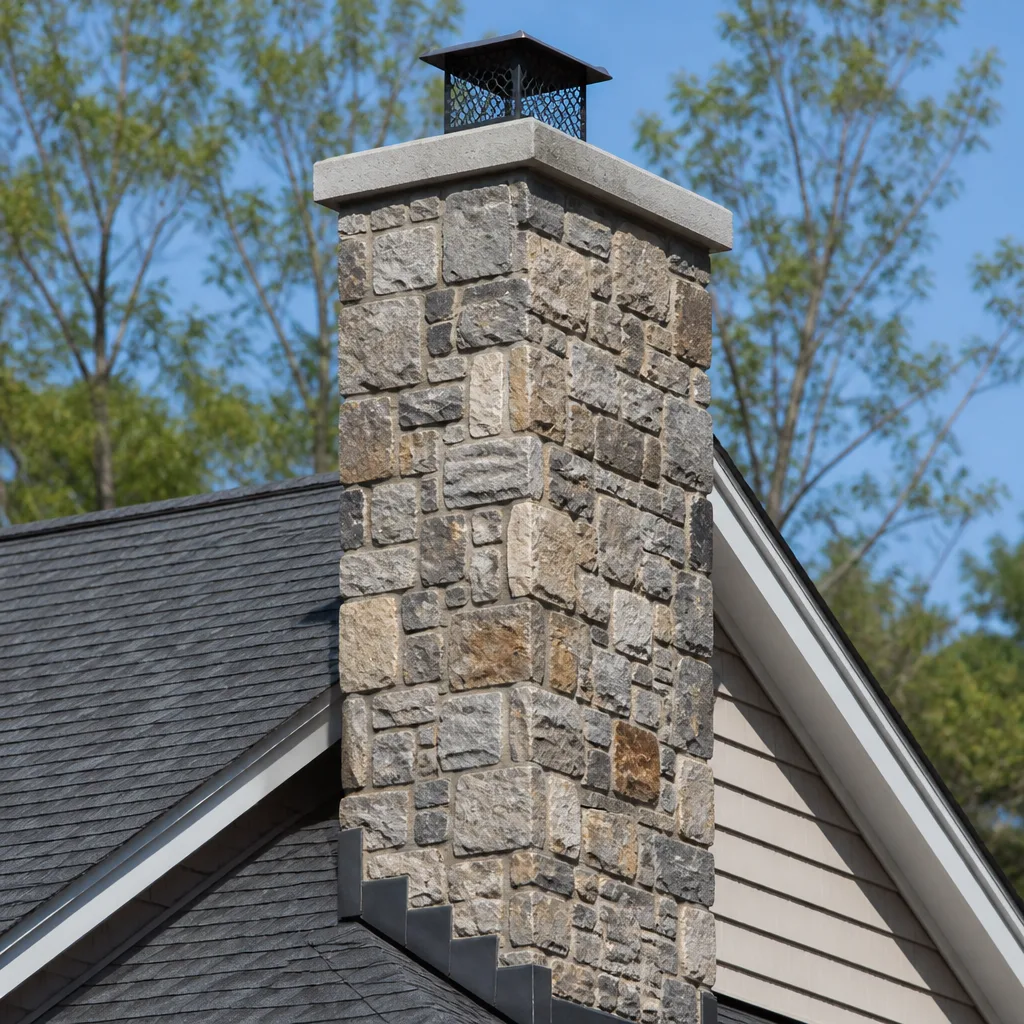 Masonry repair
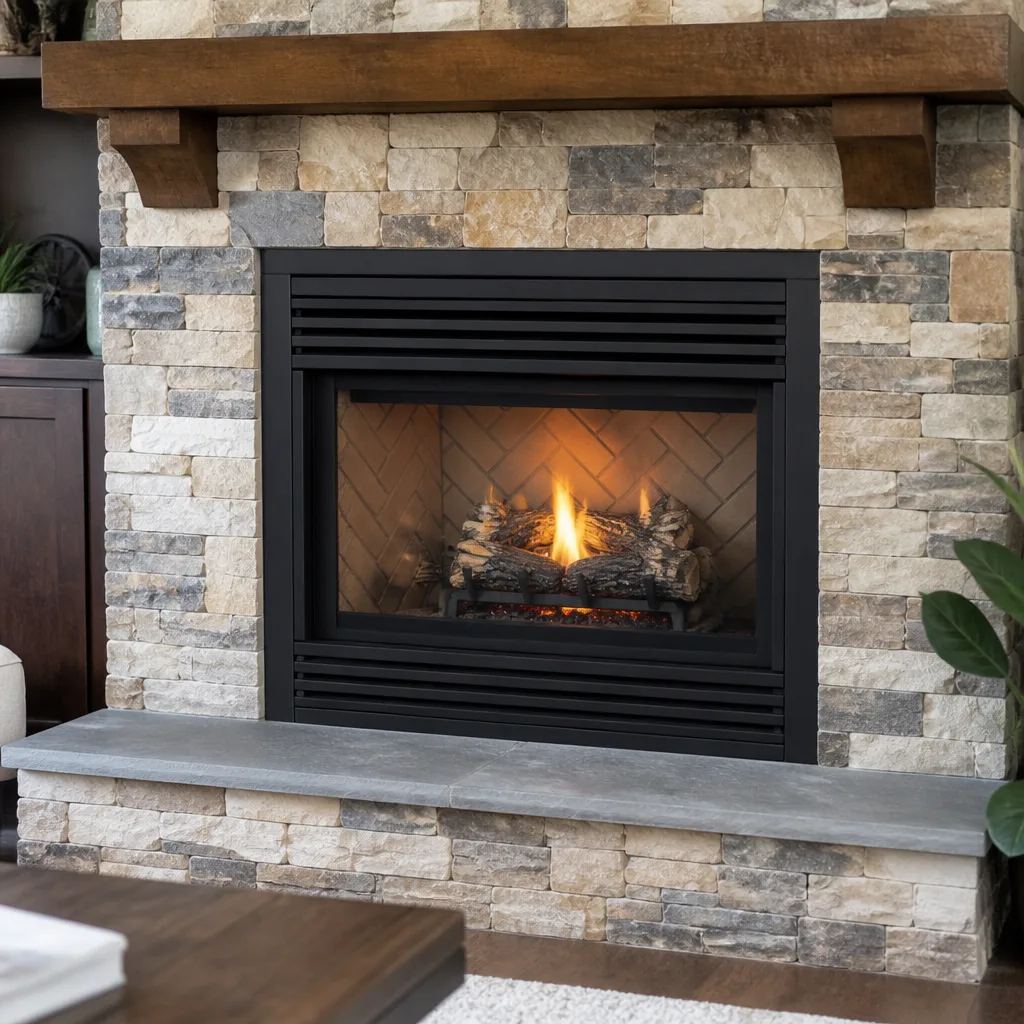 Gas fireplace service
Level 1 sweep and inspection to the NFPA 211 annual standard - flue, crown, cap, and flashing checked and photographed
Chimney sweep logs do not sweep chimneys. They loosen some creosote - which then falls where a brush and vacuum still have to collect it.
Chimney Cleaning Emergency Preparedness Guide for Tucson Homes
A chimney fire in Tucson burns fast and mostly silent. By the time most homeowners smell something wrong, the event may already be over, or it may still be active inside the flue, and telling the difference without preparation comes down to guesswork. That’s the part people get wrong. They picture a roaring fire shooting from the top of the house. In reality, a slow-burning chimney fire can smolder inside a creosote-lined flue with almost no exterior sign at all. This guide covers how to tell an active chimney fire from a backdraft or a chimney that just needs cleaning, the exact sequence to follow during a suspected fire, what to do after one, and what to have ready before the season starts. It also covers the paperwork that matters most: a pre-incident inspection report.
Quick Answer
If you suspect a chimney fire, call 911 first, get everyone out of the house, and close the fireplace doors and damper to cut the air supply. Do not open the damper to “check” what’s happening. After any suspected fire, the chimney must be inspected by a professional before it’s used again, no exceptions. Preparedness means knowing those steps before you need them, having an inspection report on file, and having working carbon monoxide detectors placed correctly for your floor plan.
Styles & brands we work with
- Sweep & inspection
- Caps & crowns
- Flue relining
- Masonry repair
- Gas fireplace service
Table of Contents
- How do you know if it’s a chimney fire, a backdraft, or just a dirty chimney?
- What should you do during a suspected chimney fire? The step-by-step sequence
- After a chimney fire: what the inspection must cover
- Pre-season emergency prep for Tucson homes
- Where carbon monoxide detectors belong in Tucson’s open floor plans
- What your insurer will ask for after a chimney fire
- Why a pre-incident inspection report is the most valuable paper you own
- The second fire hazard in the same house
How do you know if it’s a chimney fire, a backdraft, or just a dirty chimney?
These three situations look similar from inside the living room and call for completely different responses. An active chimney fire is the one that needs 911 immediately. A backdraft is a pressure problem that can be corrected by opening a window. A dirty chimney is a maintenance issue that can wait for a scheduled sweep. Getting the call right depends on what you see, hear, and smell, and on where the smoke is coming from.
Here’s how to tell them apart:
- Active chimney fire: A loud roaring or cracking sound that seems to come from inside the flue. Dense smoke or flames visible at the chimney top. A hot chimney cap or a strong burning smell that isn’t normal wood smoke. Pellets of creosote or dark flakes falling onto the roof or into the firebox. A vibrating or rumbling chimney.
- Backdraft: Smoke rolling out of the fireplace opening and into the room, usually with a weak or lazy flame. A negative pressure situation, often caused by a kitchen or bathroom exhaust fan running, a tightly sealed house, or a cold flue. No roaring sound, no unusual heat at the chimney top.
- Dirty chimney that needs a sweep: Reduced draft, a smoky smell that lingers even when the fireplace isn’t in use, a visible creosote buildup on the flue walls, or smoke that doesn’t draw well. No roaring, no heat at the top, no falling creosote.
In our experience, the mistake Tucson homeowners make most often is assuming a smoky room means a chimney fire. It usually doesn’t. What makes a backdraft dangerous is the instinct to keep feeding the fire, which pushes more smoke into the house. When in doubt, treat it as a fire until you can rule it out. That means calling 911, not walking outside to check the roof at 11pm in December.
What should you do during a suspected chimney fire? The step-by-step sequence
The correct sequence is simple, and the most common mistake is buried in the middle of it: opening the damper to check the flue is dangerous. That single motion feeds the fire more oxygen and can turn a slow-burning chimney fire into an uncontrolled one. Follow these steps in order and don’t improvise.
- Get everyone out of the house and call 911. Do this first. A chimney fire can spread into the roof structure, and only the fire department can determine whether it has. Don’t wait to see if it goes out on its own.
- Close the fireplace doors, glass doors, or screen. This starves the fire of oxygen from the room side.
- Close the damper. The damper is the metal plate inside the firebox that controls airflow up the flue. Closing it is the correct action. Opening it to “see what’s happening” is not.
- Don’t spray water into the firebox. Water on a hot firebox or flue can crack masonry and cast iron.
- If it’s safe to do so, and only after 911 has been called, check the chimney exterior from outside for flames or smoke at the top. Don’t climb onto the roof.
- Once the fire department clears the house, don’t use the fireplace again until a professional has inspected the chimney. A chimney that “survived” a fire can have a cracked flue liner, warped damper, or heat-damaged masonry that isn’t visible from inside the room.
We answer 24/7. Fast dispatch from 7am to 7pm, Sunday through Friday. Call (855) 750-1719 if you’re unsure whether what you’re seeing is a fire or a backdraft. A professional on the phone can help you decide whether to call 911 or book a sweep.
One more point about the sequence: it’s worth running through it with your household before the season starts. The people most likely to make the wrong call in a smoke event are the ones who haven’t thought it through beforehand. Walking through it once, calmly, over dinner, is the cheapest form of preparedness there is.
After a chimney fire: what the inspection must cover
A chimney that has been through a fire must be inspected before any subsequent use, even if the fire seemed minor and the fireplace looks fine from the room. The reason is that chimney fires cause damage from the inside out. A flue liner that has cracked, or masonry that has spalled from heat stress, does not show up in a visual check from the firebox. It shows up in a proper inspection, and it matters because the same flue carries smoke and combustion gases every time the fireplace is used after that.
After a chimney fire, the inspection should specifically assess:
- The flue liner. Cracks, gaps, spalling, and whether the liner is still continuous from top to bottom. A damaged liner is a path for heat and gases into the surrounding structure.
- The damper and firebox. Warping, cracks, and heat damage to the metal components.
- The smoke chamber and smoke shelf. Creosote that has baked into a glaze, and any structural damage to the corbeled masonry above the firebox.
- The chimney exterior and cap. Cracked mortar, a damaged crown, and a cap or spark arrestor that may have been deformed by heat.
- The attic and roof penetration. The point where the chimney passes through the roofline is where a fire can spread into the structure. This is a fire department and inspector question, not a room-side one.
If the liner is damaged, the repair isn’t always a full rebuild. HeatShield ceramic resurfacing can restore a damaged flue in some cases without pulling the chimney apart, and a DuraFlex flexible liner system can reline a flue that has lost its integrity. We stock both, and we handle the relining directly rather than referring it out. The liner matters as much as the cleaning, and it’s the part most sweep-only operators can’t address on the same visit.
Pre-season emergency prep for Tucson homes
Tucson winters are mild, but that’s exactly why chimney problems catch people off guard. A fireplace that sat unused since March, in a dry climate with low humidity, may have a cracked crown or a loose cap that nobody noticed. The first cold night of the season is a bad time to find out. Preparedness in October is a lot cheaper than a fire in January.
Here’s what to have ready before the season starts:
- Your sweep’s contact information, written down and accessible. Not only in your phone. If the power is out or the phone is in another room, you want a paper copy on the fridge. Include after-hours contact for your sweep and the fire department’s non-emergency line.
- Know where the fireplace shutoff or damper control is and practice using it. For a wood-burning fireplace, this is the damper handle inside the firebox. For a gas fireplace or insert, it’s the gas shutoff valve, usually on the wall or floor near the unit. Show every adult in the house.
- Working carbon monoxide detectors on every level, placed and tested. More on placement below.
- A pre-season inspection with a written report. Schedule this before the first fire of the season, not after. The report becomes your baseline.
- A fire extinguisher near the fireplace and a clear understanding of when not to use it: never on a chimney fire itself. Only for fires that have spread to the room.
- A family plan for who calls 911, who gathers the kids and pets, and where everyone meets outside.
One Tucson-specific note: a lot of homes here have fireplaces that sit unused for nine months out of the year. That long idle period doesn’t make a chimney safer. It gives creosote time to harden and masonry time to crack in the dry heat. The prep work is the same whether the fireplace runs every night or twice a season.
Where carbon monoxide detectors belong in Tucson’s open floor plans
Carbon monoxide is the silent companion of chimney problems. It has no smell, no color, and no taste, and a damaged or blocked flue can let it back into the house instead of venting it out. Detectors are the only reliable way to know it’s there, and placement is where Tucson homes get tricky.
Many Tucson homes have open floor plans: a great room with a fireplace, a loft above, and bedrooms off a hallway. That layout changes where detectors need to go:
- On every level of the home, including the basement if you have one. CO is roughly the same weight as air, so it mixes throughout, but it can pool in low spots and rise with warm air.
- Outside each sleeping area, in the hallway. You want a detector that wakes people up, so mount it where it can be heard through a closed bedroom door.
- In the same room as the fireplace or wood stove, if that room is a separate space. In an open great room, one detector on that level can cover the area, but check the manufacturer’s guidance for coverage.
- Not in the dead-air space near a vaulted ceiling peak. In a two-story great room, the peak of the vault can be a place where air doesn’t move. Follow the placement instructions on the detector itself.
- Test monthly and replace according to the manufacturer’s schedule. Detectors have a service life, and a dead detector is worse than no detector because it feels like protection.
If you’ve never placed a detector in a great room with a vaulted ceiling, ask your sweep during the pre-season inspection. In our experience, it’s a five-minute conversation that’s worth having.
What your insurer will ask for after a chimney fire
After a chimney fire, your insurer will want documentation: what happened, when, what the fire department found, and what the inspection after the fire shows. The paperwork you can hand over quickly is the paperwork that gets the claim moving. The paperwork you can’t find is the reason a claim stalls.
Here’s what to have ready before you need it:
- Your pre-incident inspection report, from the sweep you had out before the season. This establishes the condition of the chimney before the fire and shows that you were maintaining the system.
- The fire department’s incident report number, which the responding crew can give you. Write it down.
- The post-fire inspection report, from a professional sweep who assessed the damage, with photos and a description of what was found.
- Photos of the fireplace, the chimney exterior, and any visible damage, taken before and after any cleanup.
- Receipts for any prior chimney work, including relining, sweeping, and repairs.
If your chimney has been relined or resurfaced, the paperwork from that job matters too. A DuraFlex liner or HeatShield resurfacing job carries a record of the materials used, and that record helps your insurer understand what’s in the flue. We handle the repair directly, so there’s a single point of contact from inspection through repair, and one set of records to hand over.
Why a pre-incident inspection report is the most valuable paper you own
An inspection report is worth more than it costs before a fire, and it’s nearly priceless after one. Before a fire, it tells you the condition of your flue, liner, damper, crown, and cap. After a fire, it tells your insurer and your sweep what the chimney looked like before the event, which separates normal wear from fire damage and answers the question every adjuster asks: was this chimney maintained?
A proper inspection should be a camera inspection, with photos you can see for yourself. Not a verbal “looks fine” from the roof. Ask for the report in writing, with images of the flue interior, and file it somewhere you’ll find it. If a sweep tells you the flue is fine but can’t show you the inside of it, that’s not an inspection report; that’s an opinion. The same standard applies to a chimney that’s overdue for cleaning. If someone tells you the chimney needs a new liner, ask to see the camera footage. Nothing should be recommended without evidence you can look at.
A good report also tells you when work can safely wait. Not every cracked crown needs attention this month. Not every glazed creosote layer means a rebuild. A written report with photos lets you make that decision with your eyes open, and it gives you a baseline to compare against next year. In Tucson’s dry climate, where masonry can crack quietly over a summer, that baseline is worth having.
If you’re scheduling that first inspection, our chimney sweep in Tucson includes a camera inspection and a photo report, and the written estimate sets the price before any work begins.
The second fire hazard in the same house
A chimney isn’t the only venting system in a Tucson home that can catch fire. The dryer vent is the other one, and it fails the same way: lint builds up, airflow drops, heat builds, and the vent ignites. The same safety-first approach applies to both, and it’s why we offer dryer vent cleaning alongside chimney work. Two fire hazards, one call.
Signs a dryer vent is overdue:
- The dryer takes longer than it used to get clothes dry.
- The top of the dryer or the laundry room feels unusually warm.
- Lint is visible around the vent hood outside, or the flap doesn’t open fully.
- There’s a burning or musty smell in the laundry area.
If you’re already scheduling a pre-season chimney inspection, add the dryer vent. It’s the same visit and the same methodology, and it’s the second leading cause of household fire in the same category as the chimney. If the vent run is long or has multiple elbows, it’s worth asking about during the inspection.
Common Mistakes to Avoid
- Opening the damper to “check” during a suspected chimney fire. This feeds oxygen to the fire and can turn a slow burn into a fast one. Close it and call 911 instead.
- Assuming a smoky room means a chimney fire. It’s usually a backdraft, often caused by an exhaust fan running or a cold flue. The response is to open a window, not to call the fire department in a panic, but when in doubt, treat it as a fire.
- Using the fireplace again after a fire without an inspection. A chimney that “survived” can have a cracked liner or heat-damaged masonry that isn’t visible from the room. Use it again only after a professional inspection.
- Skipping the pre-season inspection because the fireplace wasn’t used last year. An idle chimney still cracks, still spalls, and still has creosote from the last season. The idle period in Tucson’s dry heat is when masonry damage tends to develop.
- Placing a CO detector only in the hallway and not in the great room. In an open floor plan with a vaulted ceiling, placement matters, and the detector’s own instructions are the guide.
- Waiting until after a fire to look for the paperwork. The pre-incident inspection report, the relining records, and the receipts are what your insurer will ask for, and gathering them after the fact is harder than filing them as you go.
- Hiring a sweep who can’t show you the inside of the flue. A camera inspection with photos you can see is the standard. If the report is verbal and the camera never comes out, you haven’t had an inspection.
See the difference
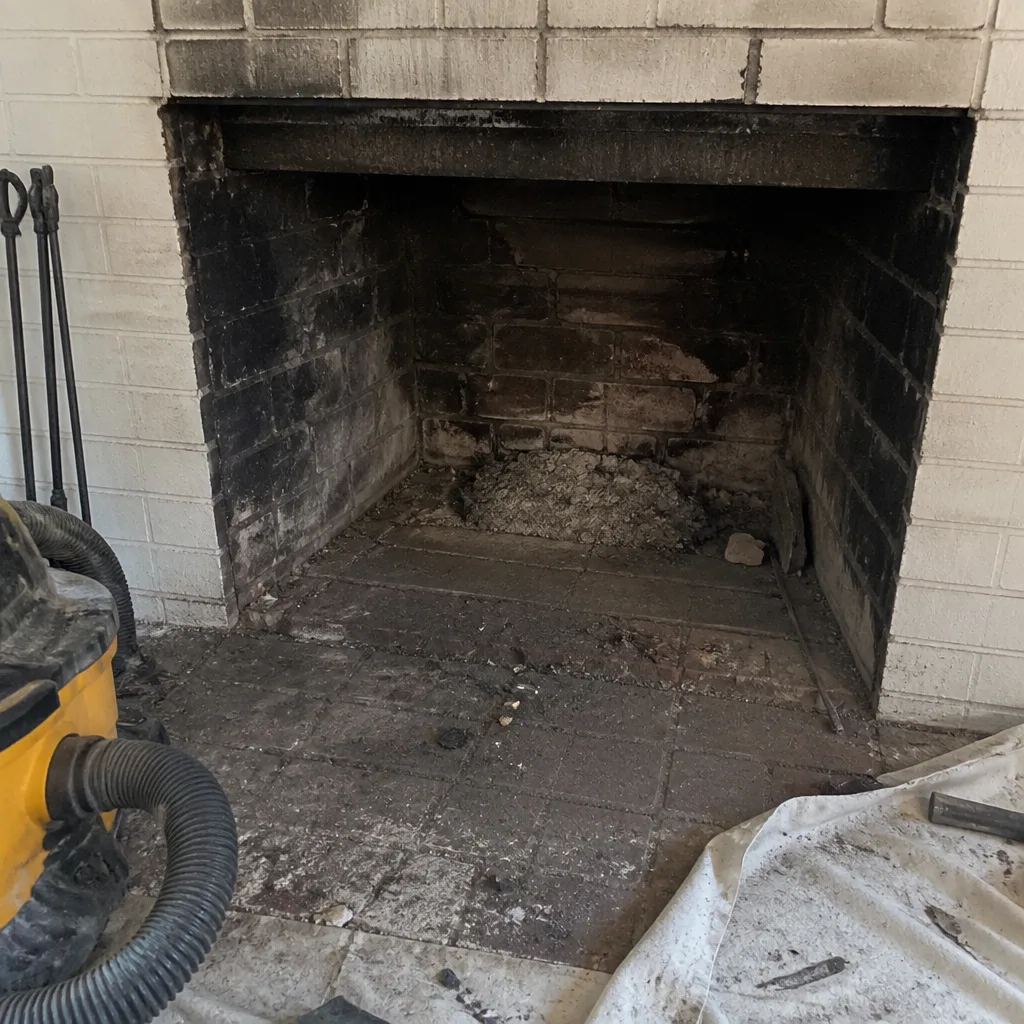 Before
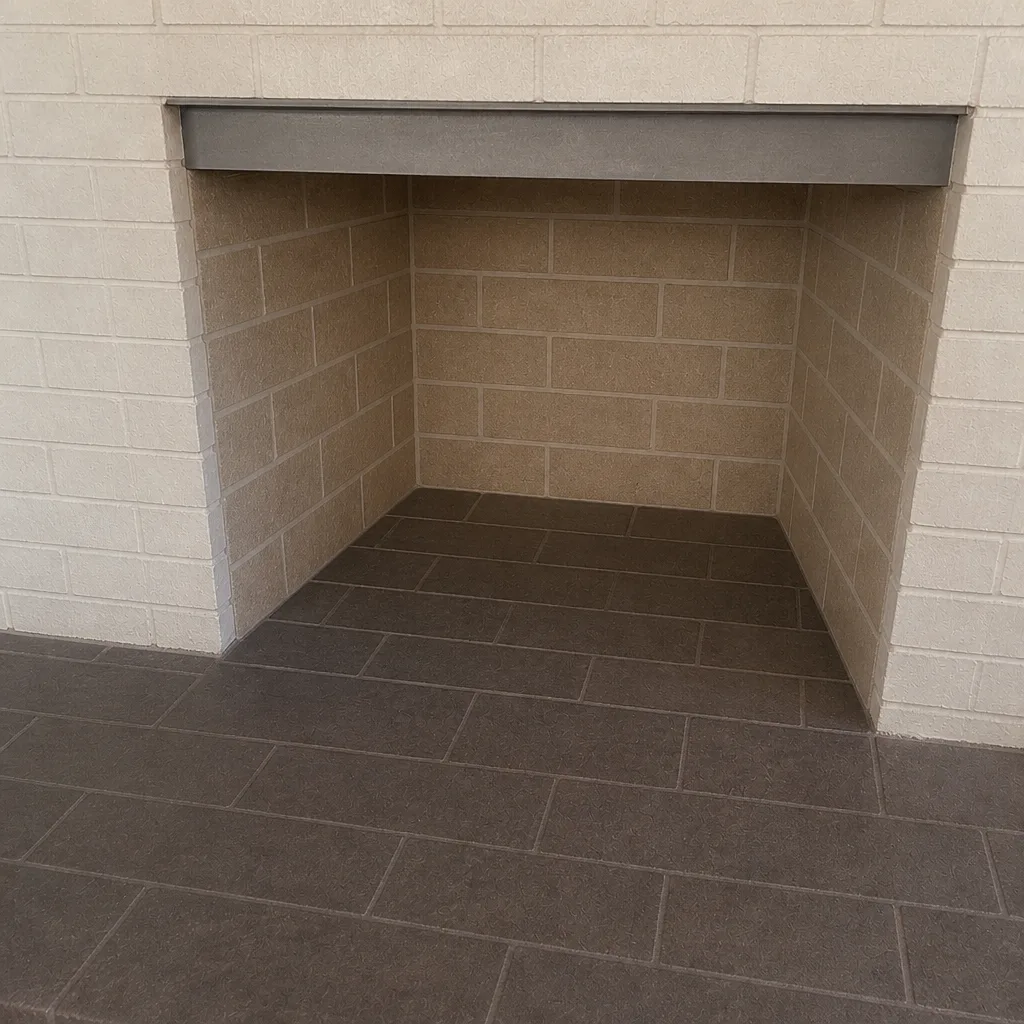 After
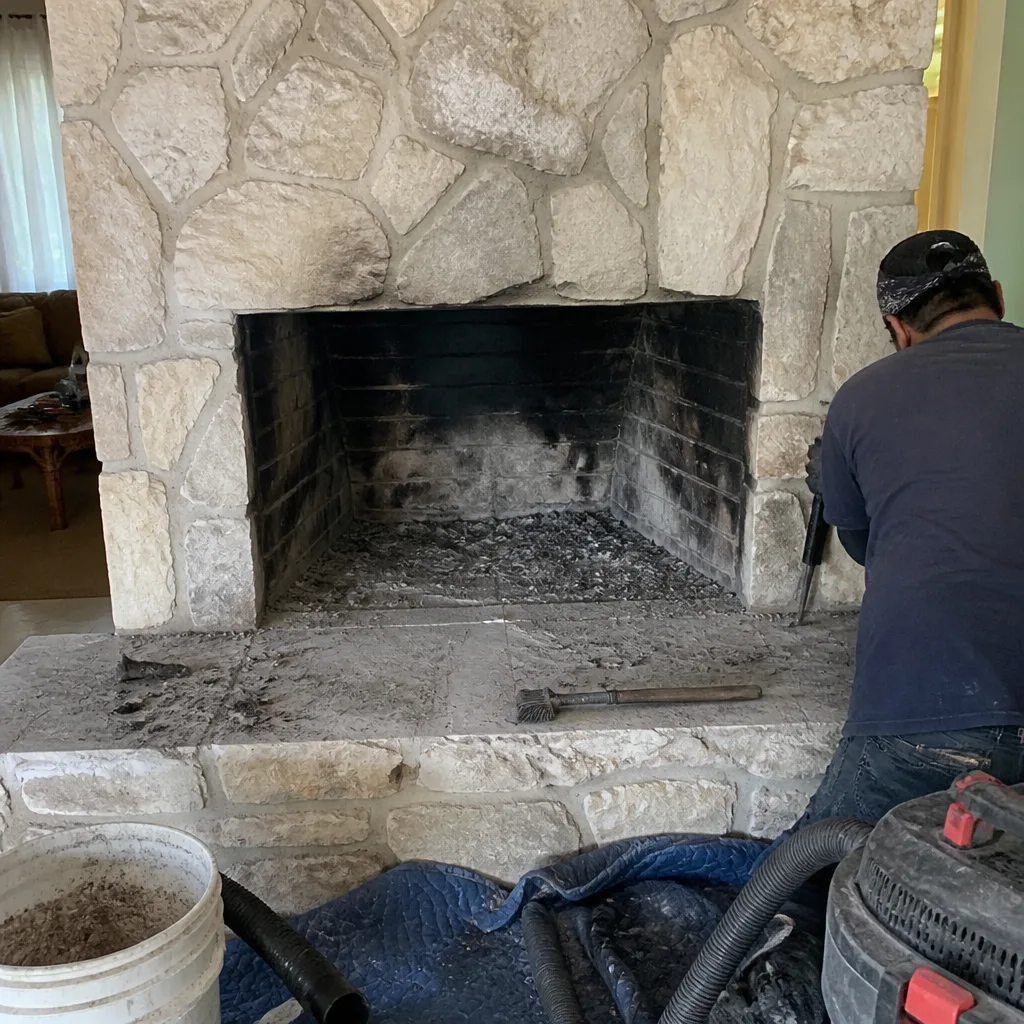 Before
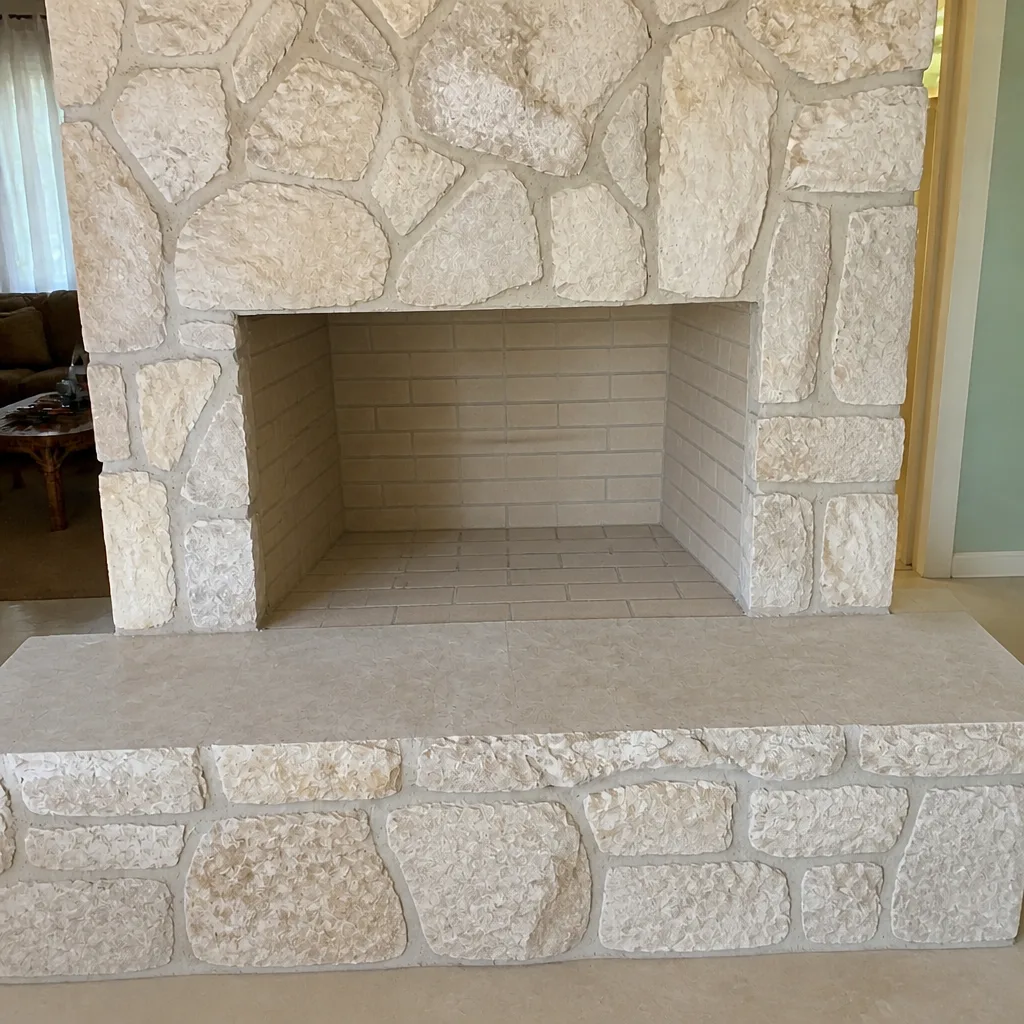 After
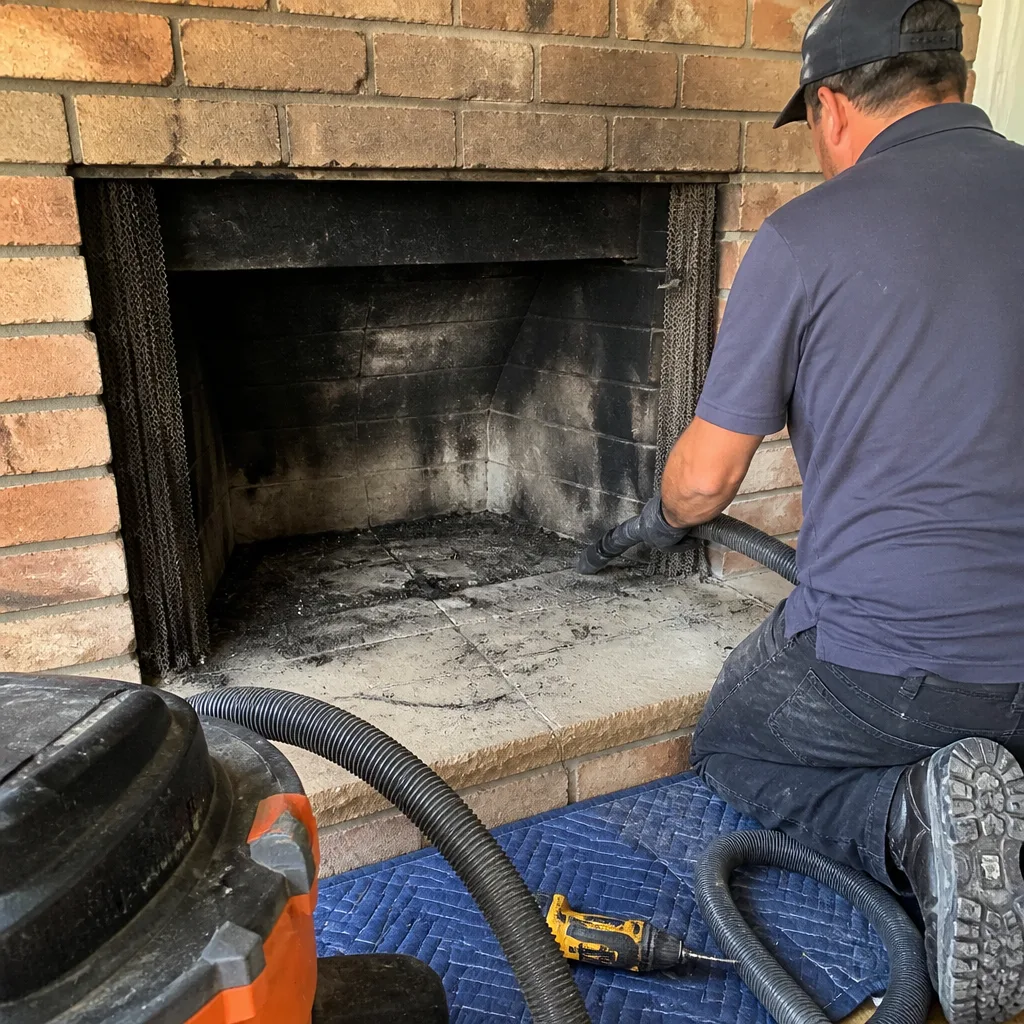 Before
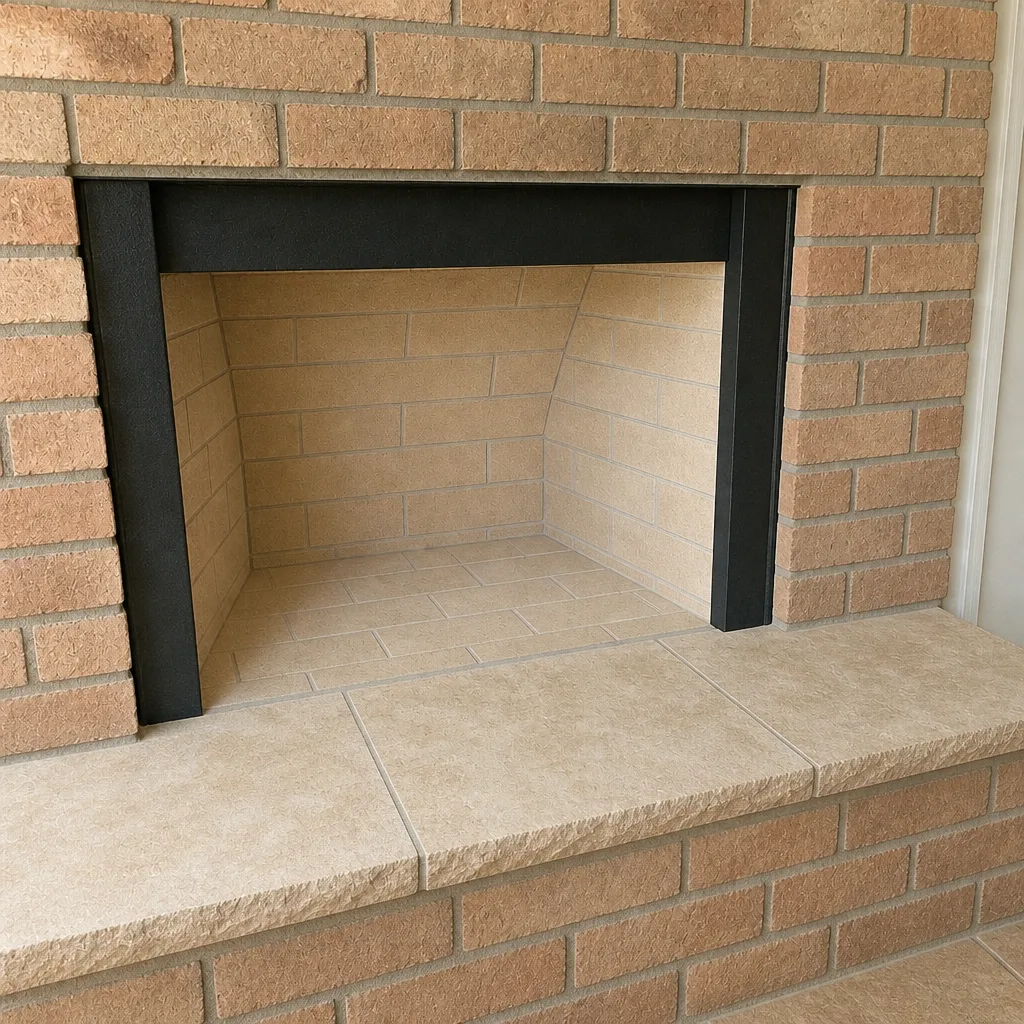 After
When to Call a Professional
Call a professional for an inspection before the first fire of the season, every season. Call for a cleaning when the draft is weak, the fireplace smells smoky when it’s not in use, or you can see creosote buildup on the flue walls. Call after any suspected chimney fire, before you use the fireplace again. Call if a chimney cap or crown is damaged, if smoke backs into the room on a regular basis, or if a gas insert or wood stove has never been inspected. Call if the dryer takes longer than it used to or the laundry area smells hot. And call if you’re not sure whether what you’re seeing is a fire, a backdraft, or a dirty chimney; a phone conversation can sort that out in a couple of minutes.
Tucson Chimney Sweep offers free estimates in Tucson. Call (855) 750-1719. We answer 24/7. Fast dispatch from 7am to 7pm, Sunday through Friday. We handle the repair, not just the report, with professional-grade materials from lines like DuraFlex and HeatShield, and we work with your insurer on the documentation side.
Frequently Asked Questions
A roaring or cracking sound from the flue, dense smoke or flames at the chimney top, unusual heat at the cap, or falling creosote pellets all point to an active chimney fire. A smoky room with a lazy flame and no roaring is more likely a backdraft. If you can’t tell, call 911 and get everyone out. Call (855) 750-1719 if you want to talk it through first, and we’ll help you decide. Estimates are free.
No. A chimney that looks fine from the room can have a cracked flue liner or heat-damaged masonry that isn’t visible without an inspection. Use it again only after a professional has assessed the flue, damper, smoke chamber, and exterior. Call (855) 750-1719 to book a post-fire inspection. Estimates are free.
Once a year, and before the first fire of the season if the fireplace sat unused through the summer. Tucson’s dry heat is hard on masonry, and a cracked crown or loose cap can develop over an idle season without any sign from inside the house. A camera inspection in the fall gives you a baseline. Call (855) 750-1719 for an exact quote. Estimates are free.
Not always. It depends on what the camera inspection shows. A cracked or gapped liner is a path for heat and gases into the structure and needs to be addressed, but the fix isn’t always a rebuild. HeatShield ceramic resurfacing can restore some damaged flues, and a DuraFlex liner system can reline others. Ask to see the camera footage, and ask whether the work can safely wait. Call (855) 750-1719 for an honest assessment. Estimates are free.
On every level of the home, outside each sleeping area, and in the same room as the fireplace if it’s a separate space. In a great room with a vaulted ceiling, avoid the dead-air pocket near the peak and follow the manufacturer’s placement instructions. Test monthly. If you’re not sure about placement, ask during a sweep visit. Call (855) 750-1719 to book one. Estimates are free.
The cost you can measure is the repair; the cost you can’t is the risk of a damaged flue venting combustion gases into the house. A pre-incident inspection report also matters for your insurer after a fire, and it’s cheaper to have one on file than to reconstruct one later. The estimate sets the price before any work begins. Call (855) 750-1719 for an exact quote. Estimates are free.
The Bottom Line
Chimney emergencies in Tucson are low-probability and high-consequence. Most homeowners will never have one. The ones who come through it well are the ones who knew what to do before it happened: call 911, close the doors and damper, don’t open the damper to check, get everyone out, and don’t use the fireplace again until a professional has inspected it. The other half of preparedness is paperwork: a camera inspection report with photos, records of any relining or resurfacing, and CO detectors placed correctly for your floor plan. It’s Tucson Chimney Sweep that handles the inspection and the repair side, and we’ve been serving Tucson since 2018. Nothing gets recommended without camera evidence you can see for yourself, and we’ll tell you plainly when work can safely wait.
If you’re overdue for an inspection or want a pre-season baseline, call (855) 750-1719 for a free estimate. We answer 24/7. Fast dispatch from 7am to 7pm, Sunday through Friday. We work with professional-grade brands like Famco, Copperfield, DuraFlex, and HeatShield, handle relining and resurfacing in-house, and clean dryer vents on the same visit if you want to cover both fire hazards at once.
Written by the team at Tucson Chimney Sweep, serving Tucson since 2018.